









What is risk assessment?
Risk assessment is a systematic process of identifying, analyzing, and evaluating possible risks associated with a particular situation, activity, or individual. In mental health terms, a mental health risk assessment is a crucial tool used by healthcare professionals to gauge the risk factors associated with various conditions such as mental illness, suicidal ideation, and self-harm. This process is integral in clinical practice, providing a structured approach to managing risk and ensuring the well-being of individuals.
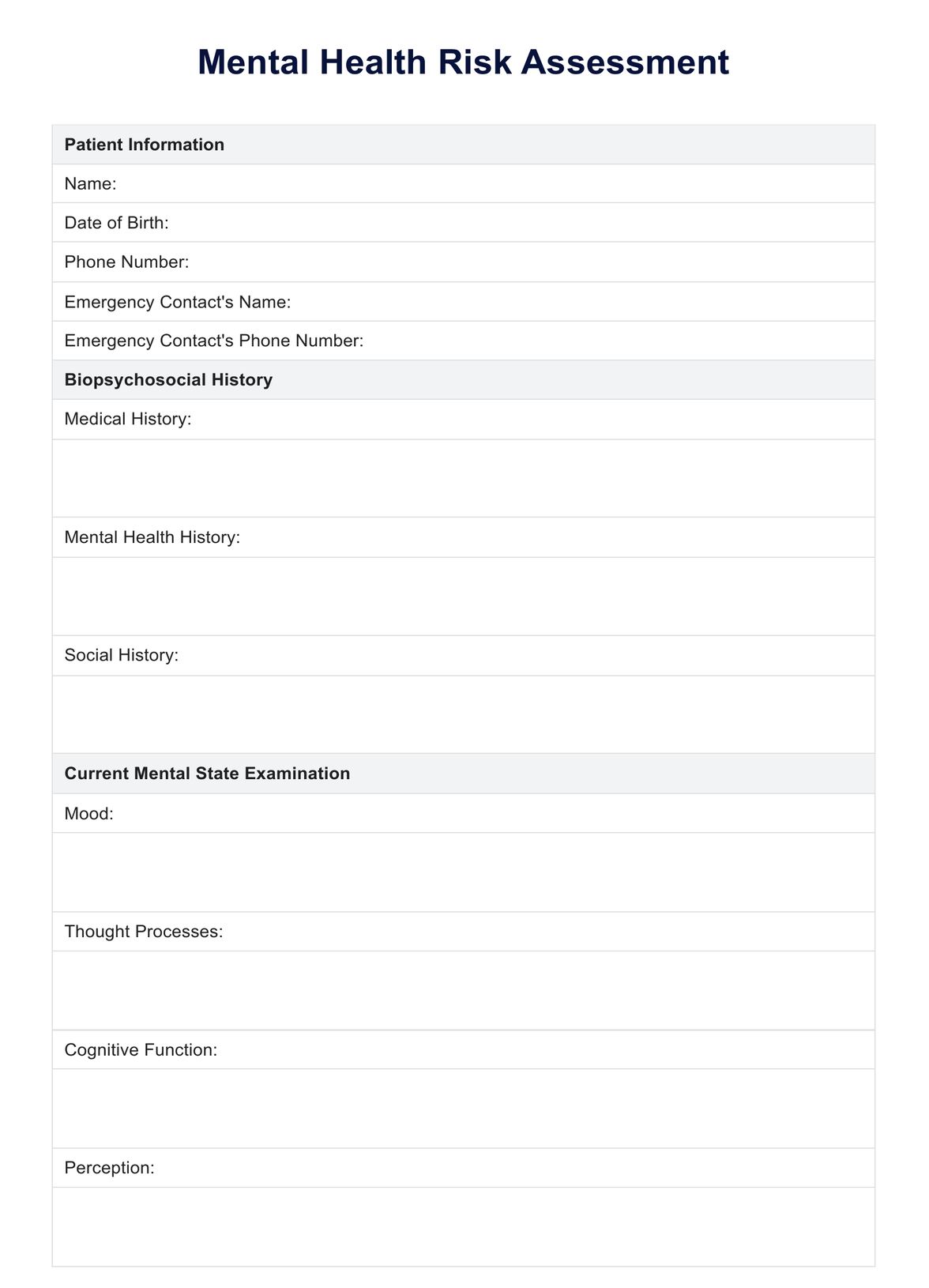
At its core, a mental health risk assessment involves a comprehensive examination of an individual's mental health status, considering various factors that may contribute to potential harm. One example is using a risk assessment template. It goes beyond merely identifying risks; it extends to meticulously evaluating protective factors and coping mechanisms. The ultimate goal is to create an accurate and holistic picture of an individual's mental health, facilitating effective risk management strategies.
In clinical settings, healthcare professionals employ various methods, including structured interviews and standardized assessments, to conduct a thorough risk assessment. These assessments not only help in understanding the current mental state of an individual but also aid in predicting potential future risks.
The importance of risk assessment in mental health cannot be overstated. It not only enhances the safety of individuals but also contributes to the development of targeted treatment plans. Healthcare professionals can create a supportive environment through this proactive approach, actively engaging with patients to manage risk and foster positive mental health outcomes.









