




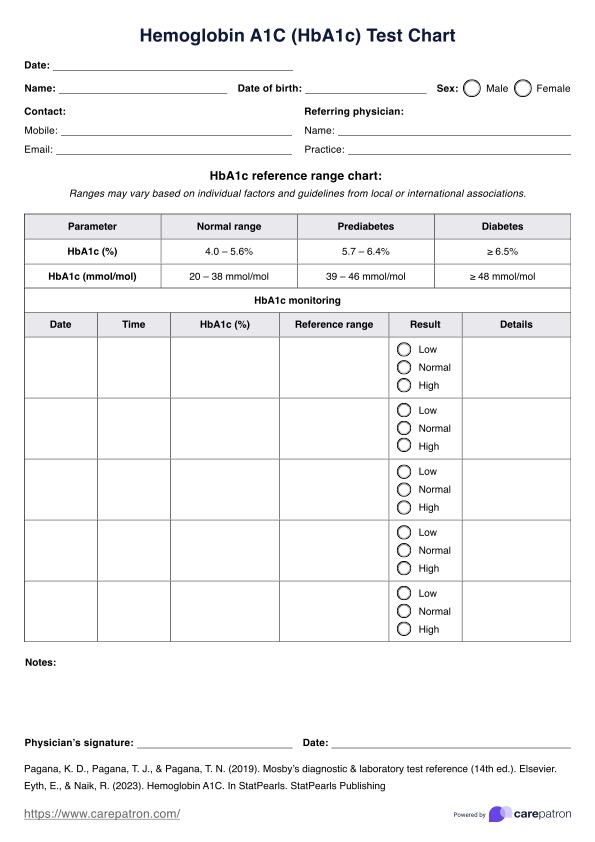




What is a hemoglobin A1c (HbA1c) test?
The hemoglobin A1c (HbA1c) test, often referred to as glycated hemoglobin or simply A1c, is a tool used to assess an individual’s blood glucose control over the previous 90 days. This test measures the percentage of hemoglobin in red blood cells that has been coated with glucose, providing a long-term picture of blood sugar levels (American Diabetes Association, 2023). It is also a key diagnostic tool for identifying diabetes mellitus. Hemoglobin, a protein found in red blood cells responsible for transporting oxygen throughout the body, binds with glucose in the bloodstream. As blood sugar levels increase, more glucose attaches to hemoglobin, leading to higher A1c levels.
Unlike other diabetes tests, which may reflect blood sugar levels at a specific moment, the HbA1c test provides a long-term view of glucose trends. Since red blood cells typically live for about three months, the results offer a reliable overview of how well a patient has managed their blood sugar during that period.









