









What is group therapy?
Group therapy is a powerful therapeutic intervention where a small, carefully selected group of individuals come together to share their experiences, struggles, and triumphs in a supportive and confidential setting.
Unlike individual therapy, which typically involves one-on-one sessions with a therapist, group therapy harnesses the group's collective strength to foster personal growth and emotional well-being.
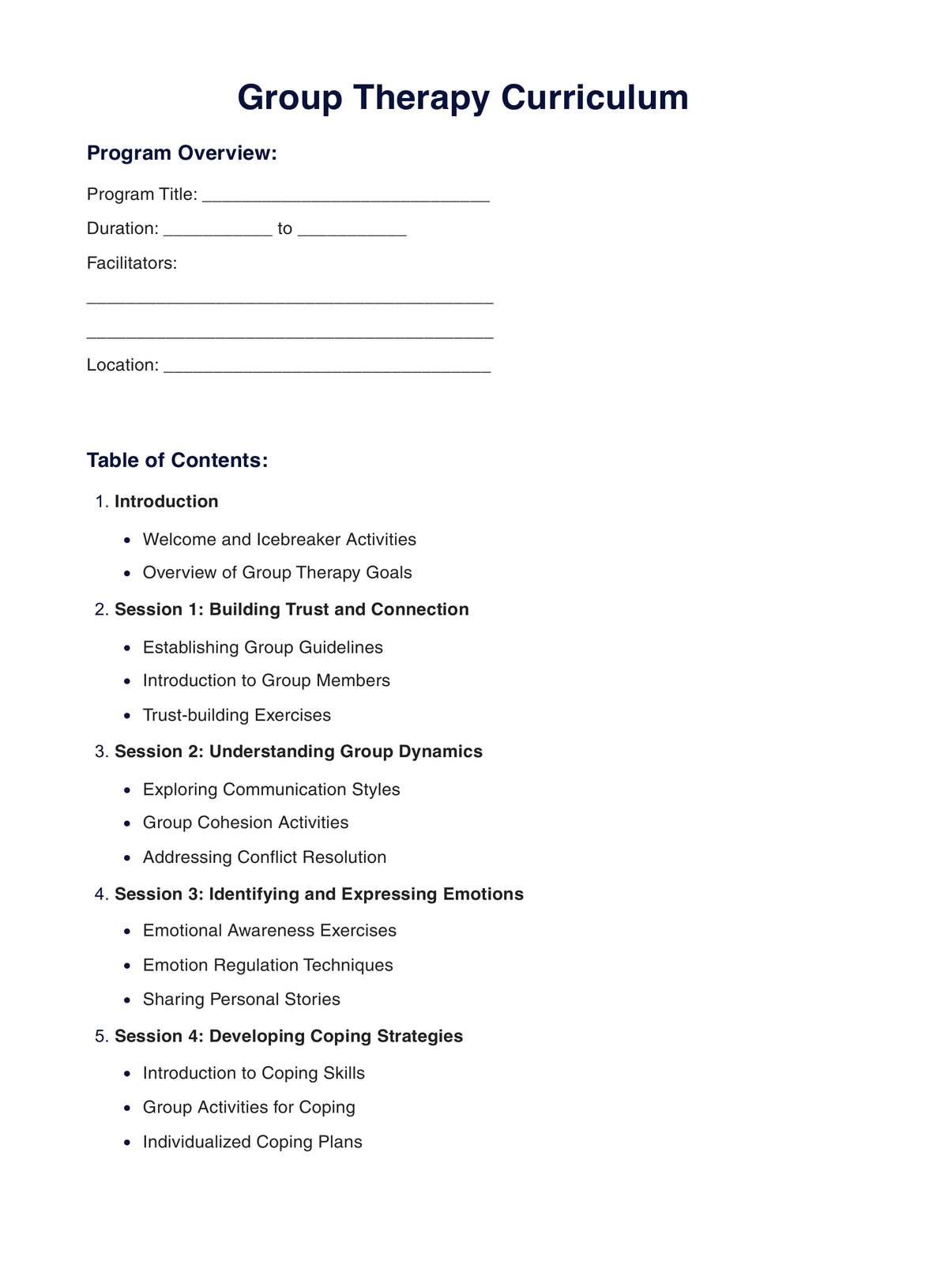
In a small group counseling curriculum, participants often find solace in realizing they are not alone in their challenges. The shared experiences create a sense of community and understanding, allowing individuals to gain valuable insights into their situations by witnessing the journeys of others.
One of the critical aspects of group therapy is the facilitation of open communication. Members are encouraged to express their thoughts and feelings openly, creating an environment of trust and mutual respect. This process helps individuals build interpersonal skills, develop empathy, and learn new ways of coping with life's difficulties.
The diversity within the small group counseling curriculum is a unique strength of this therapeutic approach. Participants often come from different backgrounds, ages, and walks of life, providing a rich tapestry of perspectives. This diversity allows for a broader range of insights, fostering creativity and resilience among group members.
Research consistently highlights the efficacy of group therapy in addressing various mental health concerns, including anxiety, depression, addiction, and interpersonal difficulties.
The collective support and feedback from the group contributed significantly to the overall therapeutic experience, enhancing personal development and promoting lasting positive change.









