









An introduction to group therapy
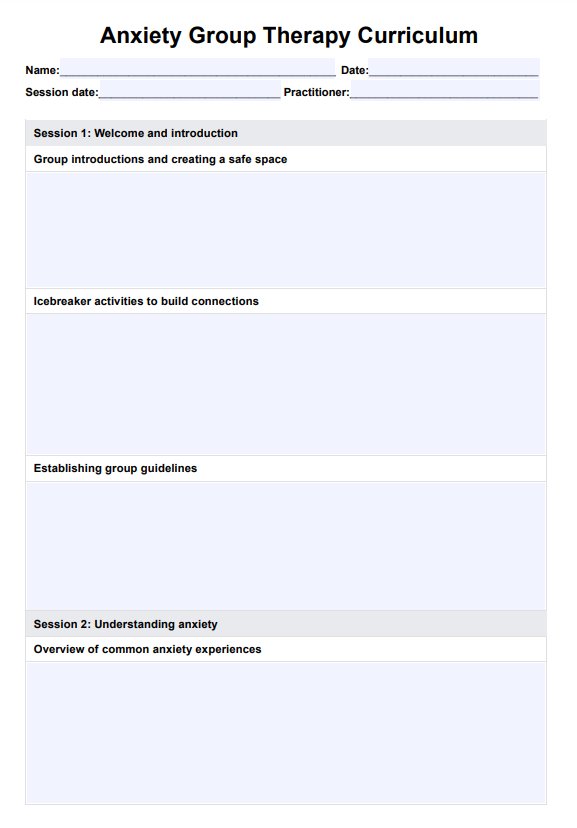
Group therapy is an effective form of counseling that brings together individuals facing similar challenges to explore coping skills, practice mindfulness, and navigate complicated feelings related to worry within group therapy activities. A group session may include a curriculum that incorporates elements of cognitive-behavioral therapy (CBT) and dialectical behavior therapy (DBT) to provide in-depth lessons addressing anxiety and fears. Whether conducted in person or through distance learning options, clients experience a safe and supportive environment to share their feelings with other group members, learn new skills, and practice techniques to cope with uncertainties.
Group therapy is a practical and widely utilized approach for treating anxiety symptoms and anxiety disorders, offering unique benefits that complement individual therapy. Other disorders such as post-traumatic stress disorder may also be considered in these settings. In a group setting, individuals with similar anxiety experiences come together to share their challenges, coping strategies, and successes. This shared understanding creates a supportive environment, reducing feelings of isolation.
Group therapy provides a platform for individuals to gain different perspectives on their anxiety, fostering empathy and a sense of universality. According to Bennett-Levy et al. (2009), it may be more beneficial for participants to learn and practice various coping skills through structured sessions, often drawing from evidence-based approaches like cognitive behavioral group therapy activities or mindfulness techniques.
Group sessions also allow individuals to receive feedback from peers, families, and therapists. It enhances self-awareness and gives them the necessary answers to adapt to new uncertainties and move forward in their mental health journey. The social dynamics in group settings help individuals build interpersonal skills, improving communication and relationships.
Additionally, the group setting provides a safe space for practicing newly acquired coping strategies, enabling real-life application and skill reinforcement. Overall, group therapy is a valuable component of anxiety treatment, offering a collaborative and supportive community that empowers individuals to manage their anxiety effectively (Wolgensinger, 2015).









