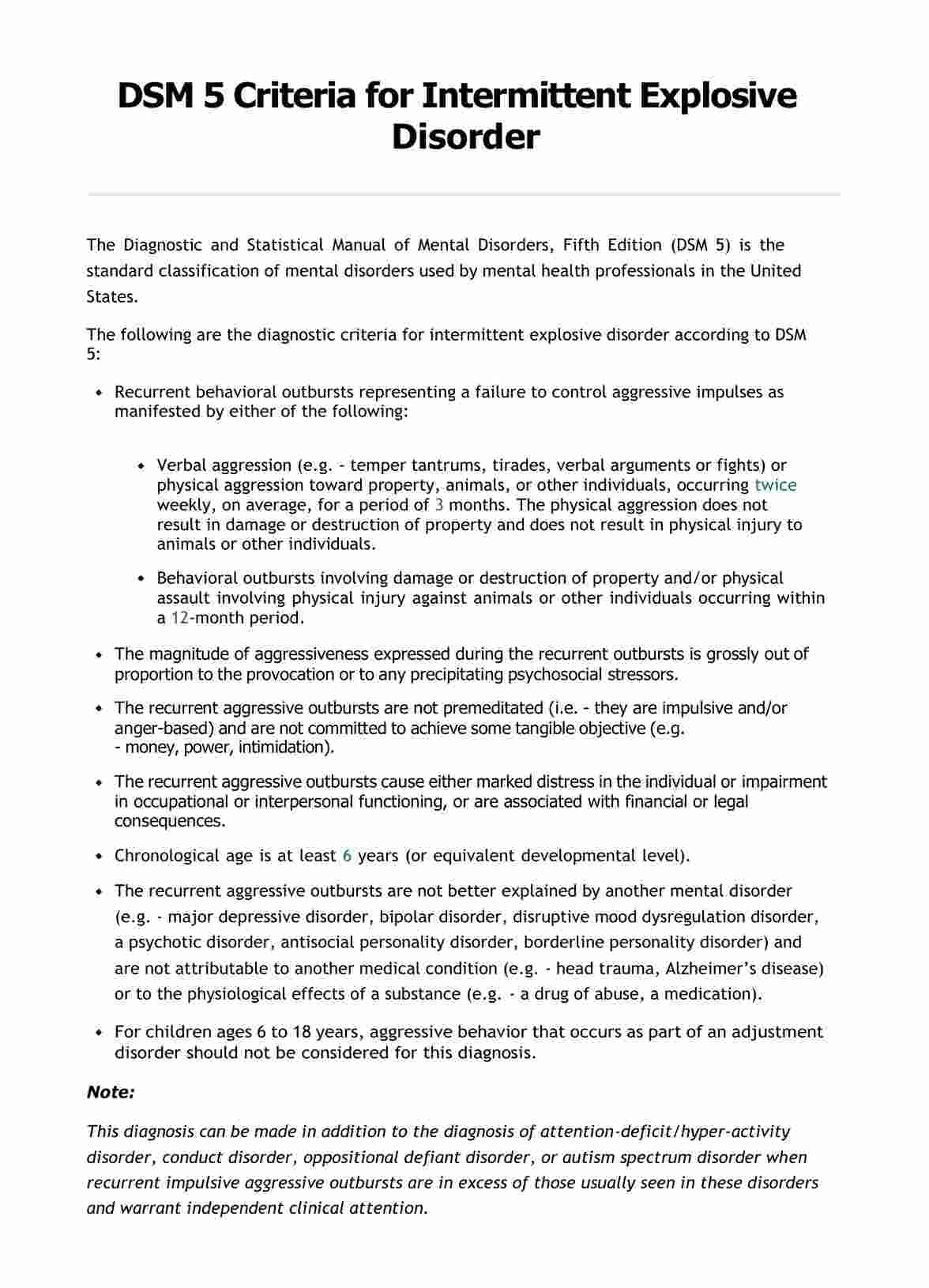
Co-occurring disorders with IED
It is important to note that intermittent explosive disorder can often co-occur with other mental health conditions, including:
Mood disorders
People with IEDs may also experience mood disorders such as depression and bipolar disorder. These co-occurring conditions can significantly impact the frequency and severity of their explosive outbursts, highlighting the complex interplay between emotional regulation and explosive behavior in individuals with IEDs.
Personality disorders
Individuals with Intermittent Explosive Disorder (IED), a condition marked by sudden outbursts of anger and aggression, may also face challenges associated with personality disorders. Among these, personality disorders like borderline personality disorder, known for symptoms like impulsivity, emotional instability, and turbulent relationships, can further complicate the experiences of individuals with IEDs.
Antisocial personality disorder
IED may also co-occur with antisocial personality disorder (ASPD), a condition marked by a disregard for the rights and well-being of others. Individuals with ASPD may exhibit impulsive, aggressive behavior, which can further exacerbate their explosive outbursts.
Anxiety disorders
Anxiety disorders, characterized by excessive worry and fear, may also co-occur with IED. These conditions can further intensify the emotional volatility experienced by individuals with IEDs, making it more difficult for them to regulate their emotions and behavior.
Conduct disorder
IED is also commonly seen in individuals with conduct disorder, a childhood and adolescent mental health condition characterized by aggression towards others and violation of rules. Children and adolescents with conduct disorder are at an increased risk of developing IED later in life.
Depression
Depression may also co-occur with IED, as the intense emotional dysregulation associated with the disorder can lead to feelings of hopelessness, low self-esteem, and despair. This can further exacerbate the explosive outbursts and aggression seen in individuals with IEDs.
Oppositional defiant disorder (ODD)
Oppositional defiant disorder (ODD) is another childhood and adolescent mental health disorder that may co-occur with IED. ODD is characterized by angry, hostile, and defiant behavior towards authority figures. Children with ODD are at an increased risk of developing IED in adulthood.
Substance use disorders
Individuals with IEDs are also at an increased risk of developing substance use disorders, particularly alcohol and drug abuse. This may be due to the tendency to self-medicate with substances to cope with the intense emotions and outbursts associated with IED.