



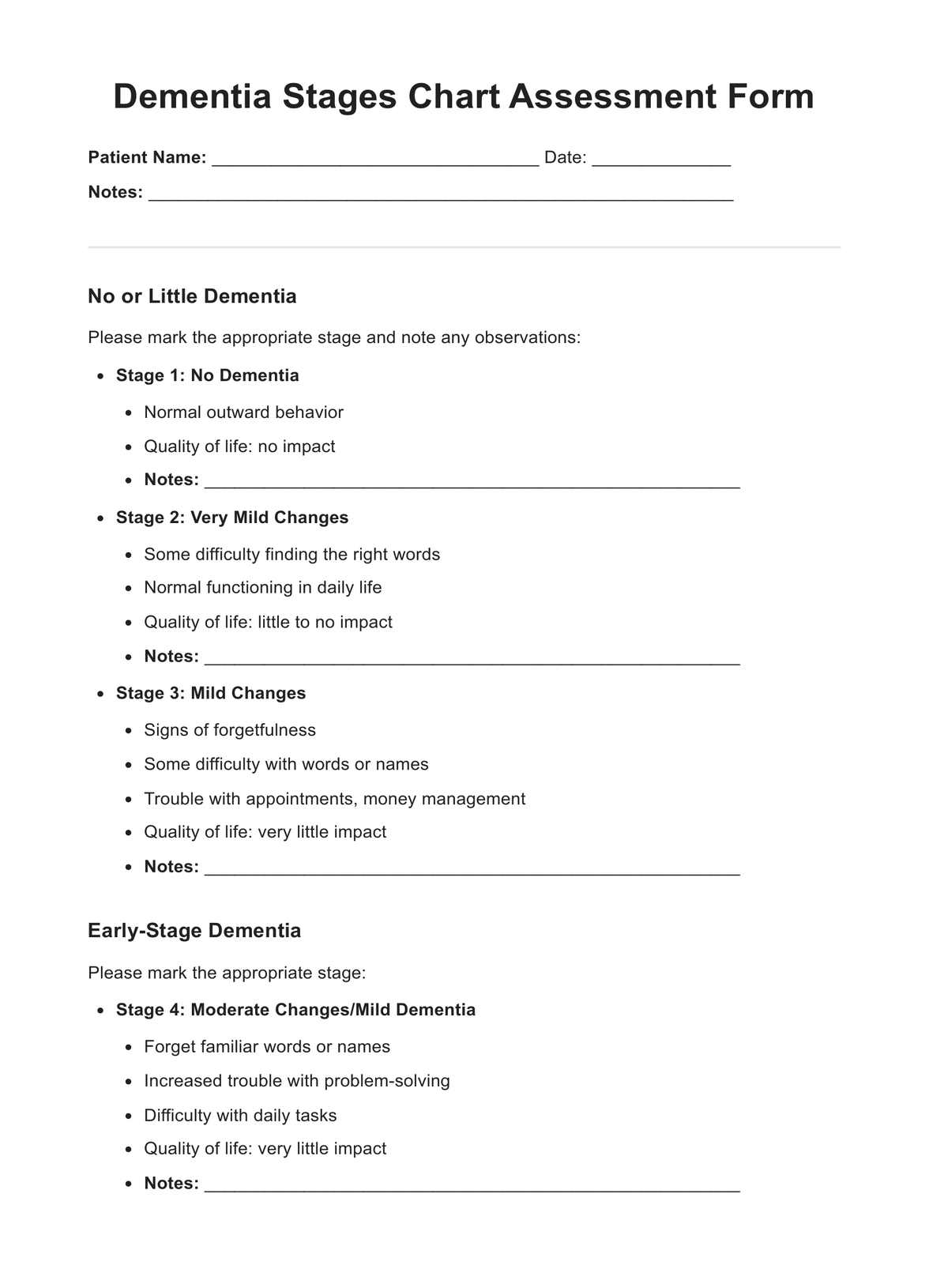




Understanding the basics of dementia
Dementia is a broad term encompassing a range of cognitive disorders, with Alzheimer's disease being the most common form. Other forms of dementia include frontotemporal dementia and Lewy body dementia. In early-stage dementia, individuals might exhibit mild memory lapses and confusion, often dismissed as normal aging. As the disease progresses, memory loss and difficulties in communication and problem-solving become more pronounced. Emotional and behavioral changes may also occur, leading to increased frustration and anxiety.
As the person enters middle-stage dementia, they may require more assistance with daily tasks such as dressing, eating, and grooming. Hallucinations, delusions, and wandering can also become more prevalent. Gradually, the ability to recognize loved ones diminishes, and self-care becomes increasingly challenging.
In late-stage dementia, individuals become highly dependent on caregivers for even basic activities. They may lose the ability to walk, sit, and eventually swallow. Communication becomes extremely limited, and individuals often become bedridden.









