



What is a Basal Body Temperature?
Basal Body Temperature (BBT) is the lowest body temperature attained during rest, usually measured right after waking up and before any physical activity. Tracking BBT is a common method used to identify ovulation and determine a woman's fertile window. By recording BBT daily, women can identify the slight temperature increase after ovulation.
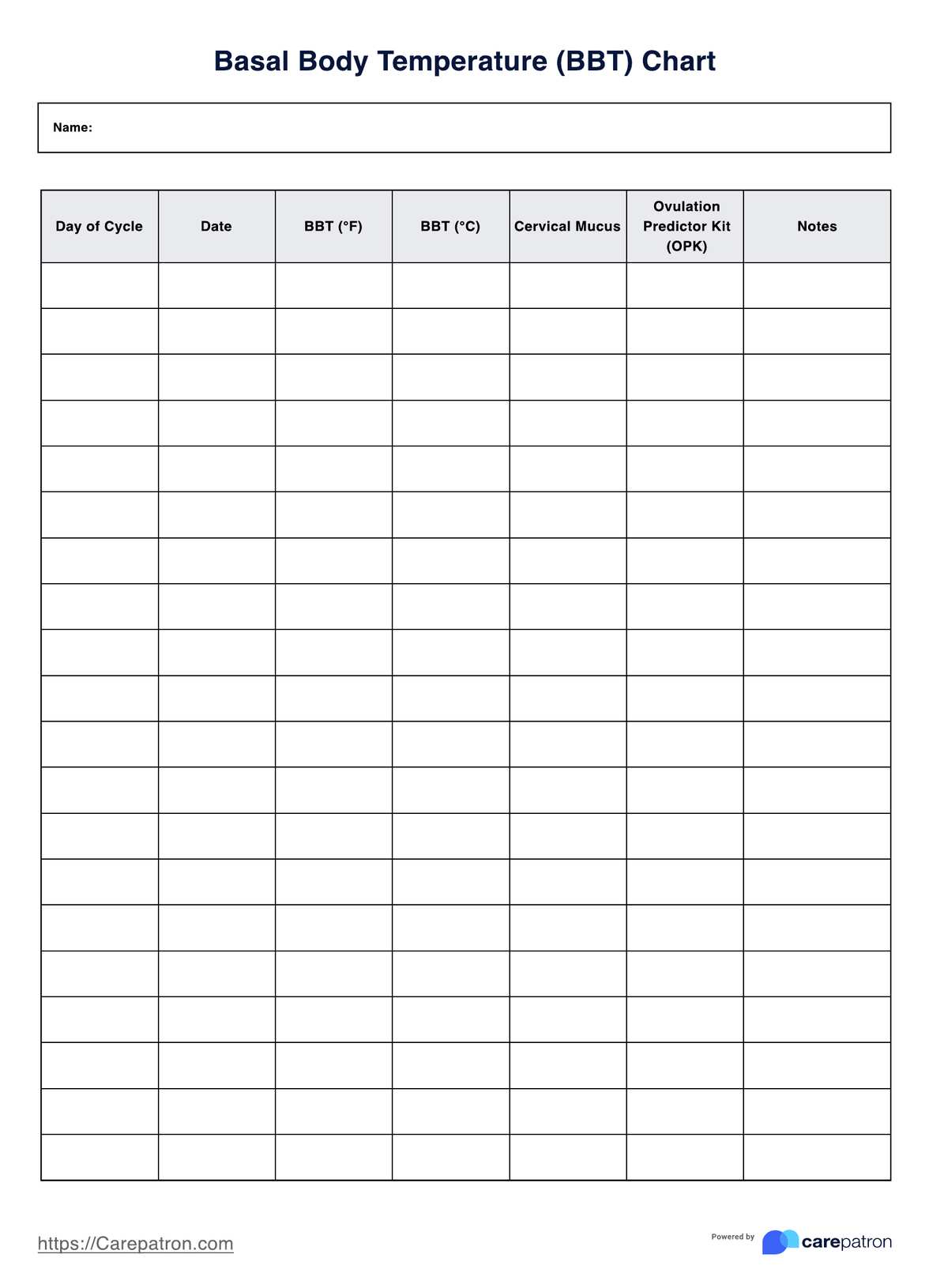
A is a tool that helps women track their BBT and cervical mucus changes over time. Plotting BBT data on a chart makes it easier to notice patterns and understand fertility signs. Monitoring BBT is a cost-effective, non-invasive method that can be helpful for women trying to conceive or avoid pregnancy.
What is BBT?
BBT, or your basal body temperature, is your body temperature when you are at complete rest. To test for your BBT, you should take your temperature in the morning before you get out of bed or move.This also means that you cannot go to the bathroom, as any of these movements may result in your temperature rising. Temperatures can rise from around 0.2-0.6 °C (or 0.5-1.0 degrees Fahrenheit) which is not a drastic change.
It is important to note that your BBT can fluctuate depending on various factors. This includes hormones. When ovulating, your progesterone hormone can cause increase in body temperature, and this can be maintained at a high rate throughout the menstrual cycle. Before your period begins, the progesterone hormone can drop as well (unless you are pregnant).
BBT can also fluctuate depending on illnesses, medications, hot weather, shift work, travel, alcohol consumption, and changes in sleep patterns.
You should start charting on the first day of your period, and continue to take your temperature throughout your entire menstrual cycle. As you gain experience, you can skip the first few days of your period and start taking body temperature measure around the fifth or seventh day.
It is also important to note that this method is not perfected, as it only indicates to you after you have released an egg, which means the fertility window has closed for that menstrual cycle.
BBT Phases
In the menstrual phase, your BBT should be between 97 and 98 degree Fahrenheit. In the follicular phase (the first day of your period until the last day of ovulation) should be the same, but one day before ovulation, this may dip below by 0.5 degrees Fahrenheit. For ovulation, BBT baseline temperature may rise above by 0.5 to 1.0 degree Fahrenheit. In the luteal phase (sometime referred to as the two week wait), your BBT may return to a lower range.
Measuring BBT
There are three important factors that you should consider for taking accurate BBT measures.
Time
Make sure to take your temperature at the same time every morning (although 30 minutes wiggle-room is acceptable). This allows for greater consistency and more accuracy in results.
Movement
Restrict movement by avoiding walking round, sitting up, or going to the bathroom. As soon as you wake up, you should take your temperature.
Sleeping
Inconsistent sleep schedules can affect temperature results. Make sure you have around 3-4 hours of uninterrupted sleep!
What To Look For
The key pattern to take note of are any temperature increases or decreases. Your temperature can change across your cycle, however, there should be an obvious pattern emerging after ovulation. Temperatures should be, on average, lower than they are after ovulation. If you notice three higher than average temperatures in a row, you can likely conclude that ovulation occurred the day before the first high temperature.
Cervical mucus is also a useful indicator. If you noticed cervical mucus on the days leading up to the temperature rise, you can likely conclude that ovulation occurred on the day before.
A sudden decrease in temperature on the day of ovulation, before the rise, may indicate that you should have sexual intercourse on that day.
BBT for No Ovulation
If you are not ovulating, you cannot become pregnant. However, if this an irregular pattern, you may have a risk of infertility. Lack of ovulation is commonly called anovulation, and is a common contributor to female infertility. This can be sometimes fixed with fertility drugs such as Clomid.
Pregnancy and BBT
BBT can indicate pregnancy, but you should always take a pregnancy test to be certain.
A BBT chart can determine if you have had sex on your most fertile days, as well as indicate to any implantation dips.This is not a sure-fire sign of pregnancy, but can be indicative in some cases.Additionally, a BBT chart can highlight any triphasic temperature patterns that suggest a higher progesterone which may occur in pregnant women. BBT charting is also useful for assessing long luteal phases, where two days beyond the normal range may indicate pregnancy.
If your BBT stays up for 18 days or more, this could be an early sign of pregnancy. This may prompt you to take a pregnancy test. No specific temperature itself indicates pregnancy.