





What is the sacroiliac joint?
The sacroiliac joint (SI joint) connects the spine to the pelvis. It is formed by the sacrum and the ilium bones and is surrounded by strong ligaments, providing stability and support to the lower back and hips. Sacroiliac joint dysfunction can lead to sacroiliac joint pain, often characterized by discomfort in the lower back, buttocks, and thighs.
Diagnosing sacroiliac joint pain can be challenging but typically involves a comprehensive clinical examination, including sacroiliac pain provocation tests. These tests, such as the compression test, aim to reproduce the patient's symptoms and assess the joint's functionality. Positive tests indicate a higher likelihood of sacroiliac joint dysfunction, while negative tests may suggest alternative causes for the pain.
The SI joint serves several essential functions in the human body:
- Stability: The sacroiliac joint (SI joint) provides stability to the pelvis by connecting the sacrum and the ilium bones, ensuring proper alignment and support for the lower back and hips.
- Support: This joint plays a pivotal role in supporting the weight of the upper body and facilitating movements such as walking, standing, and sitting, promoting overall biomechanical integrity.
- Shock absorption: By absorbing shock and distributing forces between the spine and the lower extremities, the SI joint helps minimize the impact of physical activities on the body, reducing the risk of injury.
- Weight transfer: It assists in transferring weight from the upper body to the lower body, ensuring balanced weight distribution and minimizing strain on surrounding muscles, ligaments, and joints.
- Functional movement: Properly functioning of the sacroiliac joint is essential for maintaining functional movement patterns and preventing compensatory mechanisms leading to pain and dysfunction.
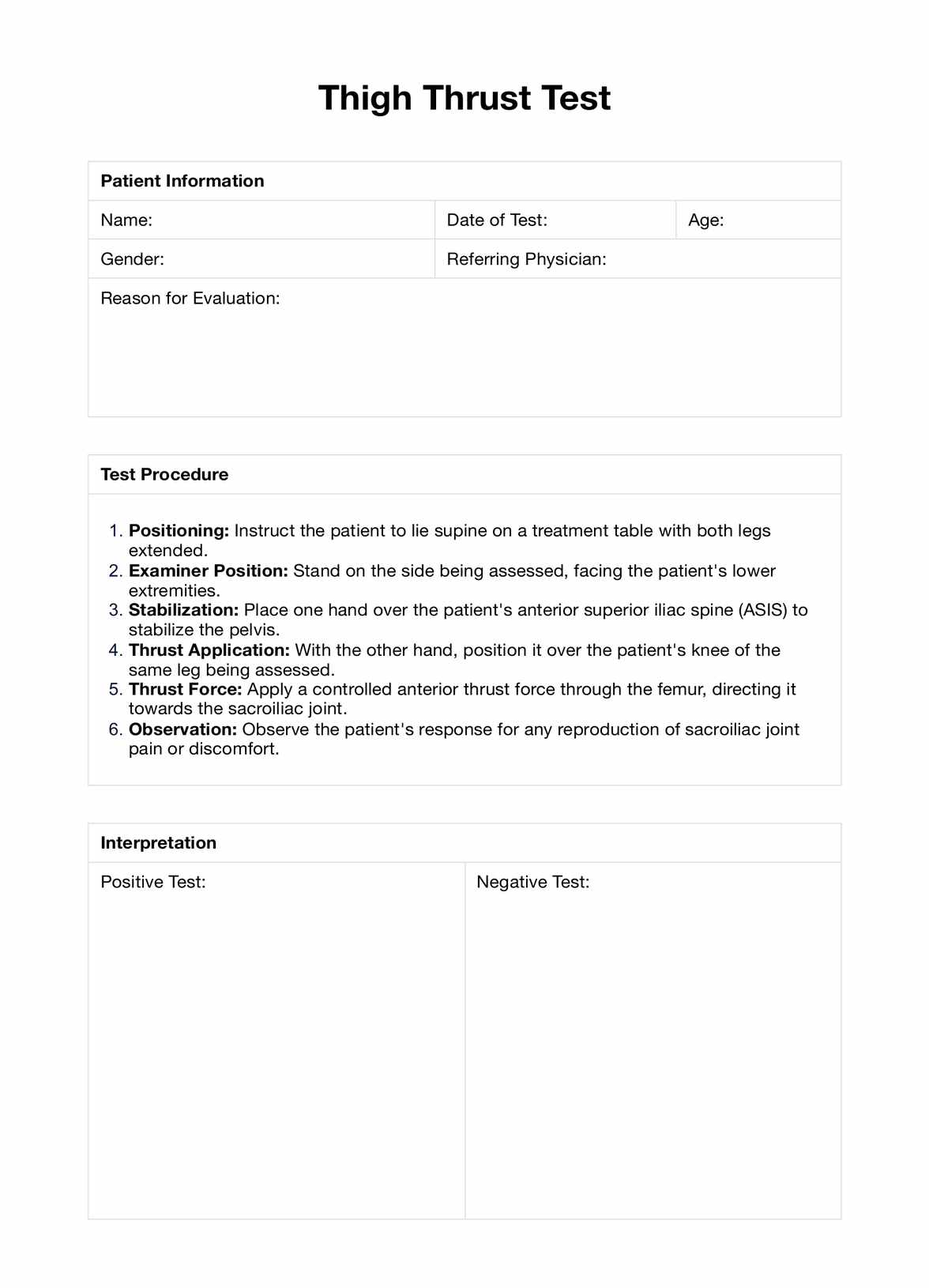
- Clinical evaluation: Healthcare professionals use pain provocation tests, such as the thigh thrust test, to assess the function and integrity of the sacroiliac joint, aiding in diagnosing and managing sacroiliac joint pain and dysfunction.
Understanding the positive predictive value (PPV) and negative predictive value (NPV) of sacroiliac pain provocation tests is essential for accurate diagnosis. A positive test result indicates a high likelihood of sacroiliac joint dysfunction, increasing confidence in the diagnosis. Conversely, a negative test result reduces the likelihood of sacroiliac joint involvement, guiding clinicians toward other potential sources of pain. Healthcare professionals can effectively diagnose sacroiliac joint pain through clinical examination and appropriate testing and tailor treatment plans to alleviate discomfort and improve patient outcomes.