




What is a gambling disorder?
Gambling disorder, also known as disordered gambling behavior, compulsive gambling, pathological gambling, or gambling addiction, is a behavioral addiction characterized by an uncontrollable urge to gamble, despite negative consequences, as highlighted in studies like the British Gambling Prevalence Survey. It's a condition that can lead to financial ruin, relationship issues, and mental health problems, and is often associated with gambling-related harm. Individuals with a gambling disorder may find themselves unable to resist the temptation to gamble, even when it causes significant distress, impairment in their lives, or other gambling-related problems.
What are the characteristics of a pathological gambler?
Pathological gamblers often exhibit behaviors such as chasing losses, lying about gambling activities, and using gambling as an escape from problems. They may also experience withdrawal symptoms when trying to stop.
Healthcare professionals diagnose gambling disorder by evaluating the individual's behavior, thoughts, and feelings related to gambling. They use diagnostic criteria outlined in the Diagnostic and Statistical Manual of Mental Disorders (DSM-5), which include persistent and recurrent problematic gambling behavior leading to clinically significant impairment or distress.
Key criteria for diagnosis include:
- A preoccupation with gambling
- The need to gamble with increasing amounts of money to achieve the desired excitement
- Repeated unsuccessful efforts to control, cut back, or stop gambling
- Restlessness or irritability when attempting to reduce or stop gambling
- Gambling to escape problems or relieve negative emotions
- Chasing losses by continuing to gamble to recoup previous losses
- Lying to conceal the extent of gambling
- Jeopardizing or losing significant relationships, jobs, or educational opportunities due to gambling
- Relying on others for financial assistance due to gambling losses
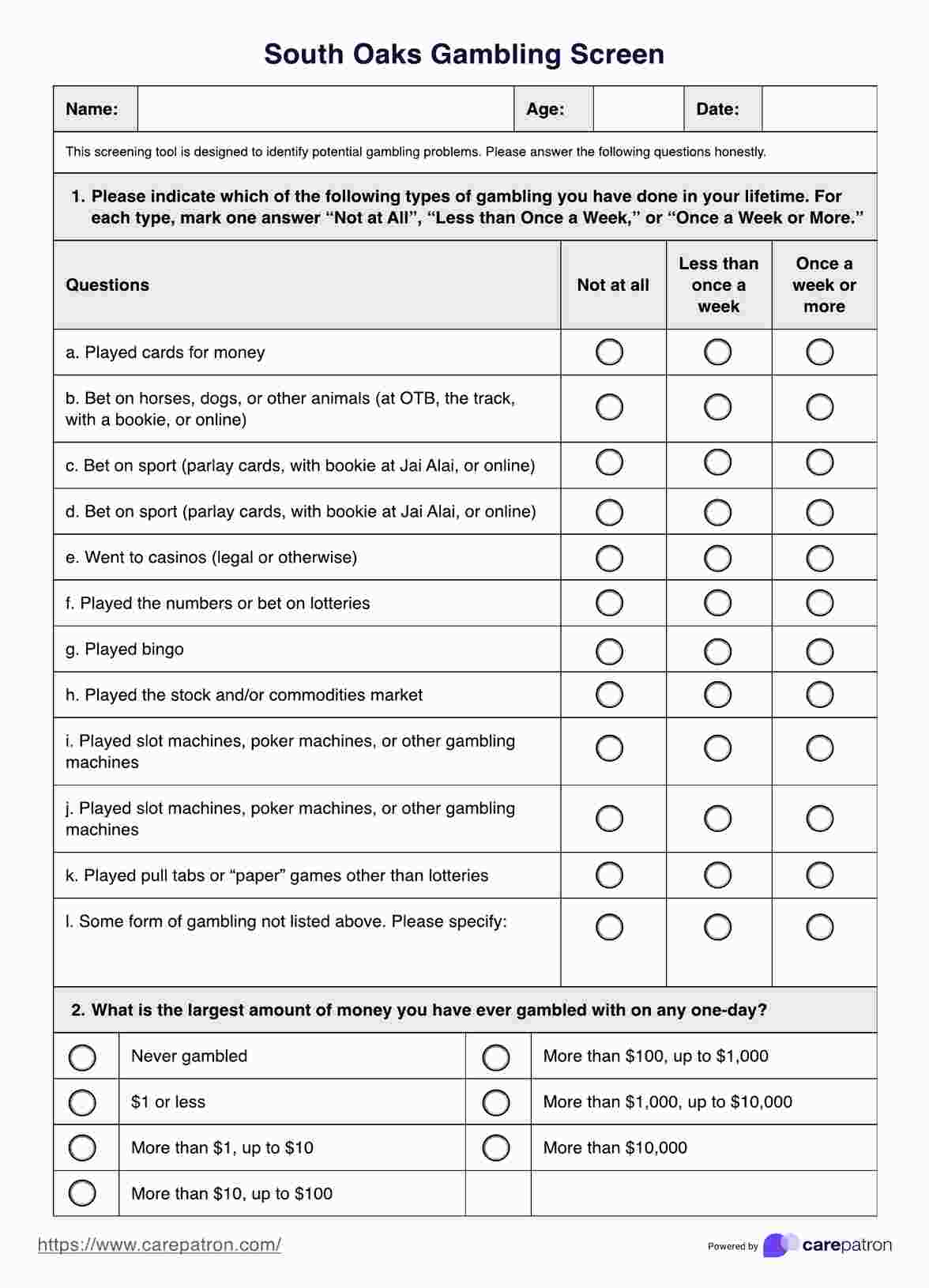
A healthcare professional may conduct a thorough assessment, including a clinical interview, self-report questionnaires, and screening tools like the South Oaks Gambling Screen (SOGS) to identify disordered gambling behavior and gambling-related harm. They may also consider the individual's gambling history, frequency, intensity, and the impact of gambling on their life.
What causes a person to develop a gambling disorder?
Various factors, including genetic predisposition, environmental influences, and psychological triggers can influence the development of gambling behavior and disorder. Stressful life events, social pressure, and exposure to gambling at an early age can increase the risk of developing a gambling disorder. Additionally, underlying mental health conditions such as depression, anxiety, or substance abuse can contribute to the onset of problematic gambling behavior.









