




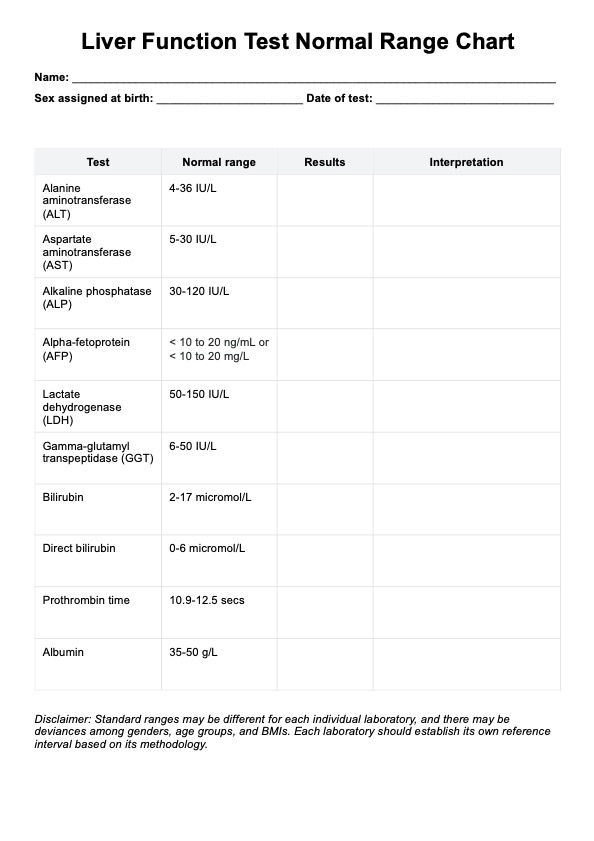




What is a Liver Function Test Normal Range Chart?
A Liver Function Test Normal Range Chart is a vital resource that outlines the typical values used to assess the health and functionality of the liver. This chart serves as a reference guide for healthcare professionals, enabling them to interpret the results of various liver function tests accurately.
The liver is a crucial organ responsible for numerous metabolic functions. The liver cells primarily filter harmful substances out of the blood, and they play a vital role in metabolism, bile production, immune function, blood clotting, proper blood flow, and hormone regulation. It is tested through a series of blood tests known as liver function tests (LFTs). These tests help in diagnosing liver diseases, monitoring treatment effectiveness, and evaluating overall liver health. The tests commonly included in such charts are:
- Alanine aminotransferase (ALT) and aspartate aminotransferase (AST): These liver enzymes help assess liver damage. Elevated levels may indicate liver injury.
- Alkaline phosphatase (ALP): For ALP, high abnormal liver enzyme levels might signify liver or bone issues.
- Bilirubin: High bilirubin levels could indicate problems with the liver or breakdown of red blood cells.
- Albumin: Measures liver function related to protein production.
- Lactate dehydrogenase (LDH): Indicates tissue damage in cases of liver disease or other conditions.
- Gamma-glutamyl transpeptidase (GGT): Assesses liver function, especially in detecting bile duct issues or liver damage from alcohol.
- Prothrombin time (PT): Measures the time for blood clotting, often linked to liver dysfunction.
- Alpha-fetoprotein (AFP): A tumor marker used for liver cancer diagnosis.
The Liver Function Test Normal Range Chart typically displays the normal range for each test, aiding healthcare providers in understanding and interpreting the results of individual tests. It helps identify deviations from the standard range, indicating potential liver issues or diseases.
Healthcare practitioners use this chart as a comparative tool to assess patients' liver health. Interpretation involves understanding if the patient's results fall within the established reference range, signaling healthy liver function, or if they deviate, indicating potential problems that might need further investigation or treatment.
Regular use of the Liver Function Test Normal Range Chart assists healthcare professionals in providing accurate diagnoses, monitoring liver health, and determining the effectiveness of treatments, ultimately contributing to improved patient care and overall health outcomes.









