


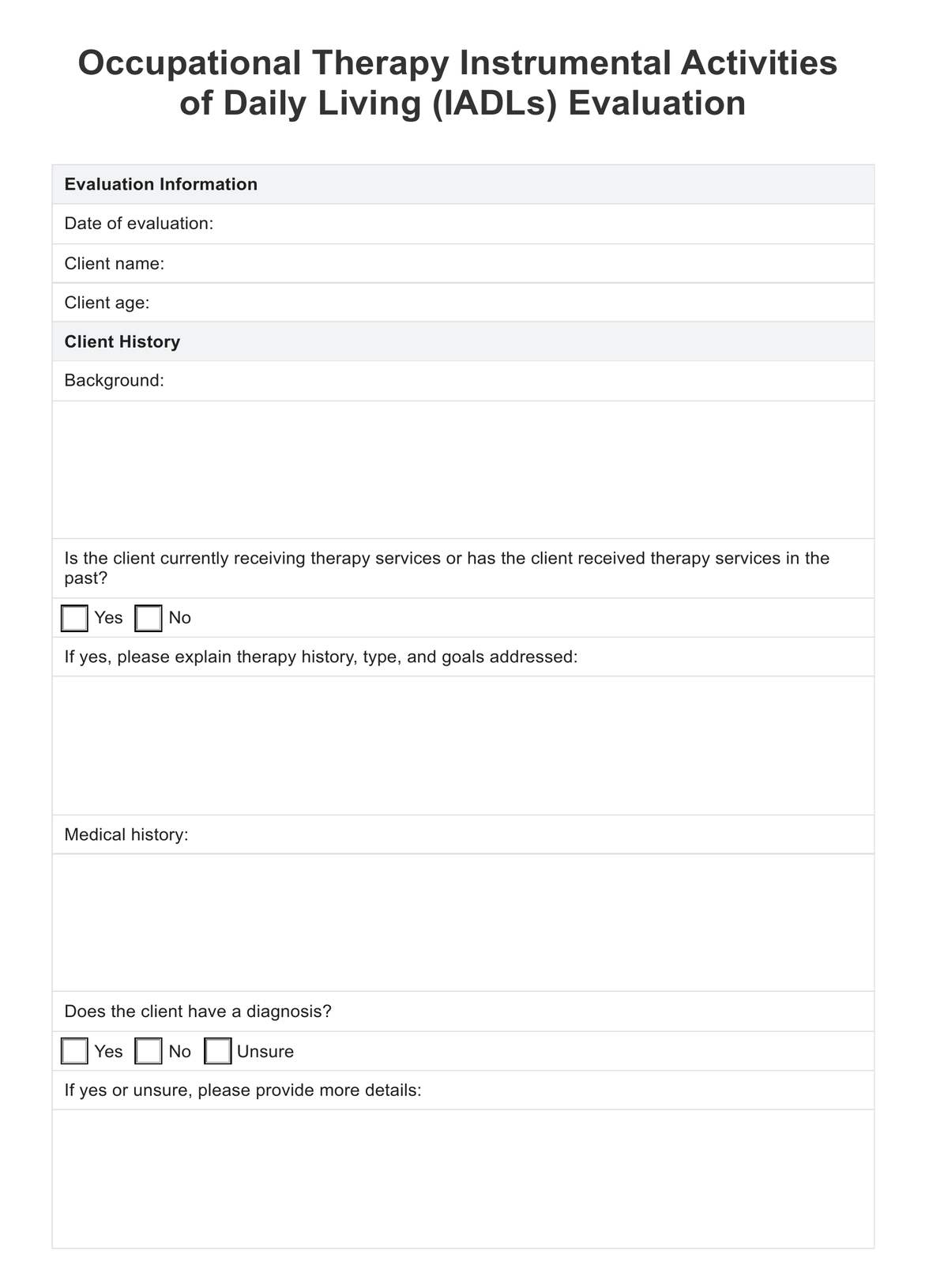




What are instrumental activities of daily living?
Instrumental Activities of Daily Living (IADLs) encompass complex activities necessary for independent living, extending beyond basic self-care to meal and food preparation, medication management, and managing finances. These activities require cognitive and physical abilities, reflecting a person’s ability to live independently and sustain a higher quality of life. Unlike basic activities of daily living (ADLs), which cover fundamental self-care tasks like eating and dressing, IADLs focus on more nuanced skills that enable community-dwelling older adults to manage their households, engage in social adjustments, and navigate community spaces effectively.
Why are these activities important?
IADLs are critical because they comprehensively measure an individual’s functional status, particularly among community-dwelling older adults. These activities indicate a person's ability to perform complex tasks, providing insights into their cognitive and physical health. Being able to carry out IADLs correlates with a person's ability to live independently, maintain social relationships, and participate fully in society. Issues with IADLs can often signal the onset of cognitive impairment or physical decline, necessitating interventions to prevent further deterioration.
What would prevent a person from performing and accomplishing these activities?
Various factors can impede an individual's ability to perform IADLs, including cognitive impairment, physical disabilities, and chronic health conditions. Cognitive issues, such as dementia, can make it difficult for individuals to plan meals, manage medications, or handle finances. Physical limitations stemming from conditions like arthritis or stroke can impair one's ability to perform tasks requiring manual dexterity or mobility, such as food preparation and housekeeping. Environmental barriers and lack of social support can also play significant roles in limiting an individual’s capacity to perform IADLs.









