





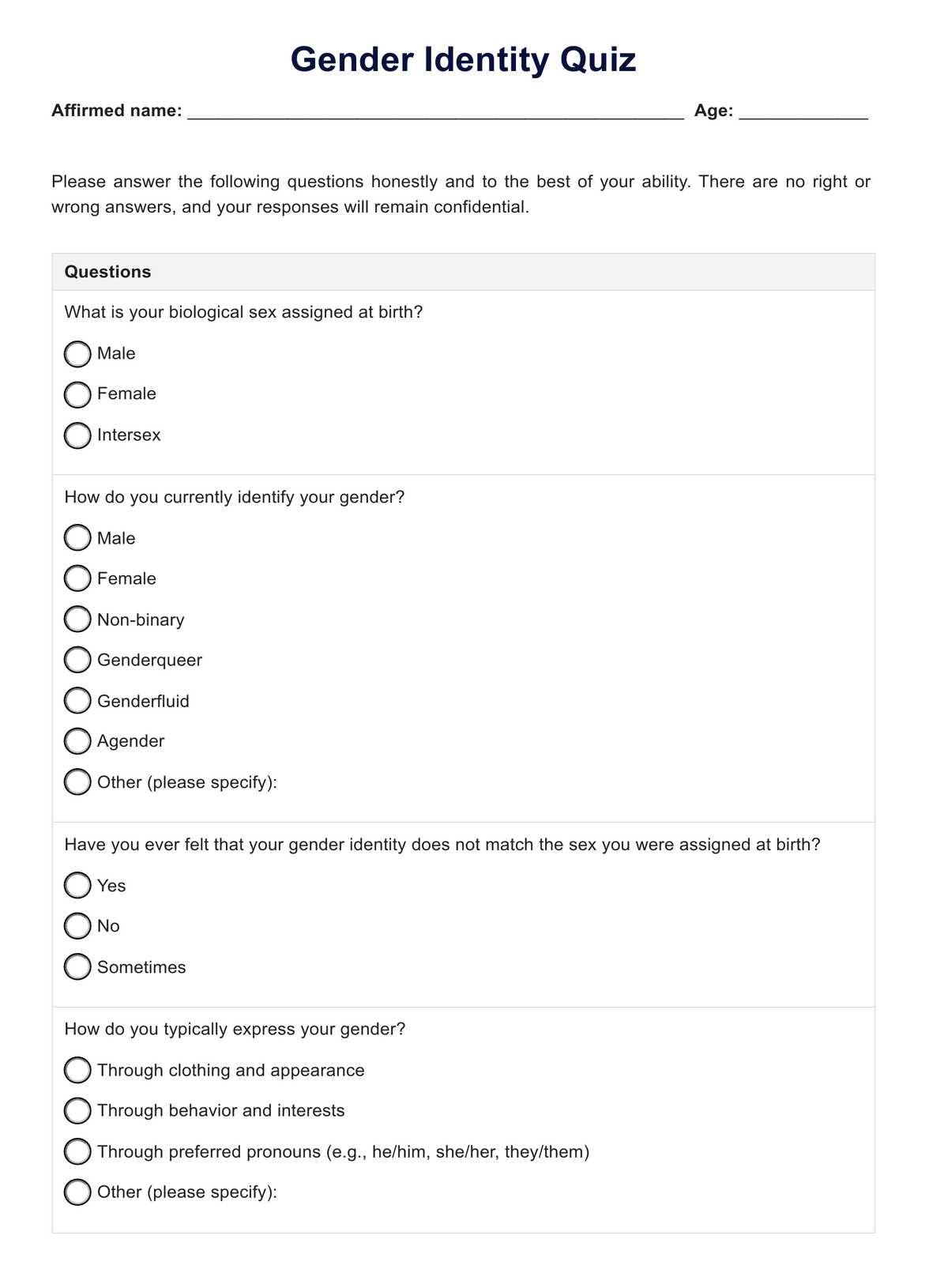




What is gender identity?
Gender identity embodies the intrinsic perception individuals hold regarding their gender, which may or may not synchronize with the sex assigned to them at birth. It encapsulates a profound internal understanding of self and how individuals express and perceive their gender vis-à-vis societal norms and expectations.
While many individuals' gender aligns with their sex at birth, resulting in a sense of congruence between their inner identity and outward presentation, others may prefer to identify beyond the binary confines of male and female. These diverse identities encompass non-binary, genderqueer, genderfluid, and agender orientations, challenging the notion of only two genders.
Additionally, certain cultures recognize alternative gender, such as the third gender, further complicating the traditional binary framework. Such recognition underscores the fluidity and multifaceted nature of gender expression, emphasizing that it extends beyond rigid categorizations.
Social and cultural factors profoundly influence identity, shaping individuals' perceptions, behavior, and expressions in relation to societal expectations and stereotypes. These influences can create tension between one's internal sense of self and external societal pressures, influencing the journey of self-discovery and acceptance.
Understanding and embracing diverse gender identities are critical for fostering inclusive and supportive environments in society where individuals feel acknowledged and validated in their identities. This entails recognizing and affirming the unique experiences and perspectives of individuals across the gender spectrum, advocating for equality, and challenging the notion of binary gender norms.









