



What is conduct disorder?
Conduct Disorder stands as a distinctive mental health condition recognized by a persistent pattern of behaviors that violate societal norms and the rights of others. It often emerges during childhood or adolescence, with a wide-ranging impact on personal, familial, and social dynamics. Mental health professionals refer to specific diagnostic criteria outlined in manuals like the Diagnostic and Statistical Manual of Mental Disorders (DSM) to diagnose Conduct Disorder.
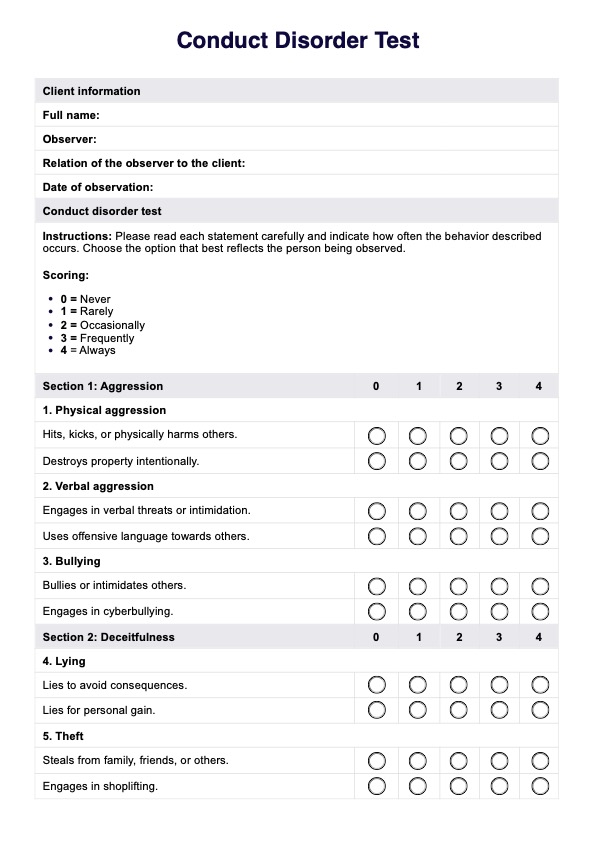
The diagnostic criteria for Conduct Disorder encompass a spectrum of problematic behaviors, including aggressive conduct, deceitfulness, theft, and serious rule violations. When left unaddressed, these behaviors can escalate and lead to physical harm to oneself or others. It's crucial to understand that a conduct disorder diagnosis doesn't merely involve isolated instances of misbehavior but rather a pervasive and persistent pattern that interferes significantly with a child's or adolescent's daily life.
Aggressive behavior is a hallmark feature of conduct disorder, taking various forms such as physical aggression toward people or animals, destruction of property, and a consistent disregard for rules. These actions may indicate an underlying struggle with emotional regulation and impulse control, making early intervention crucial.