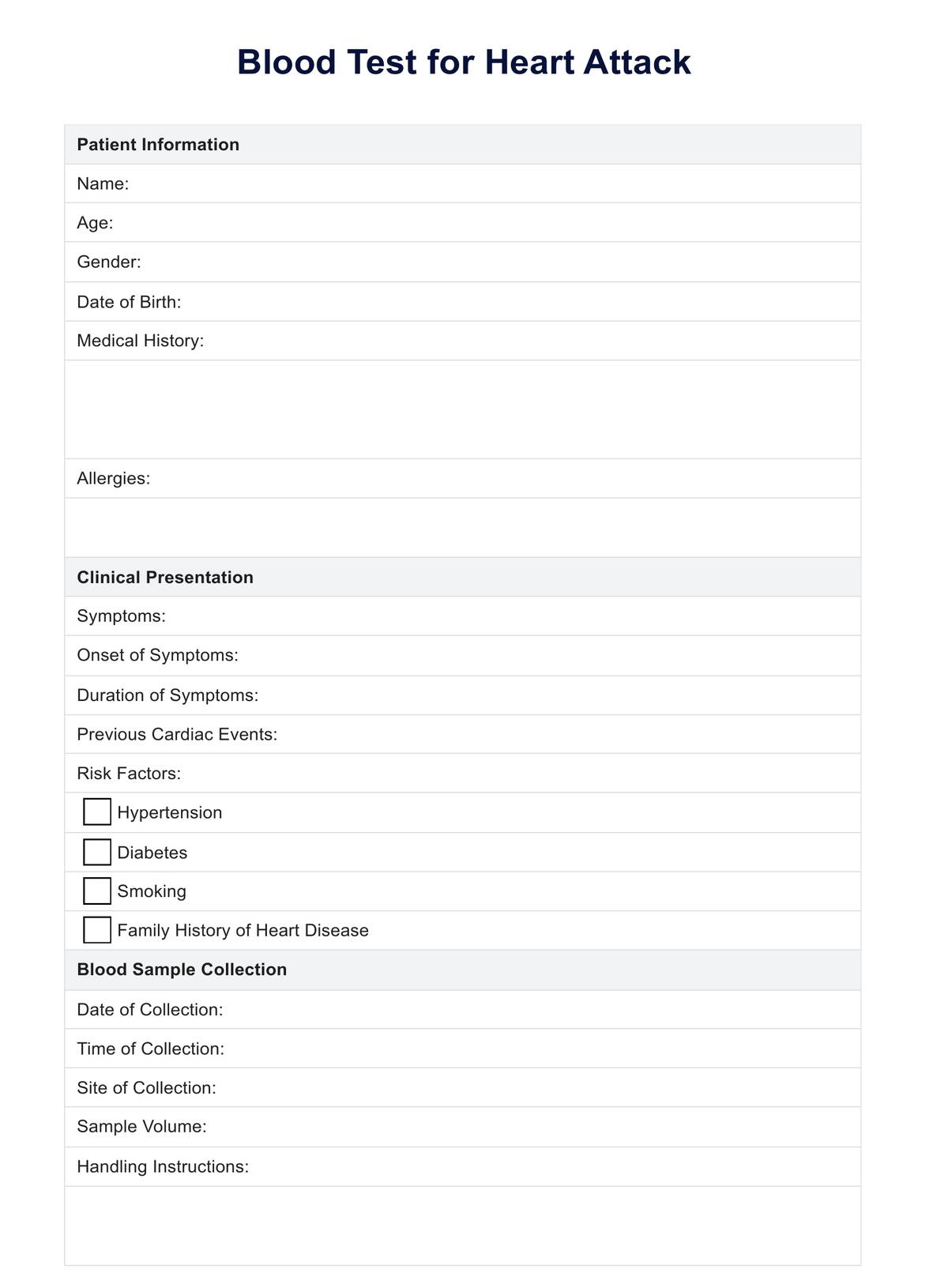
Blood tests used to diagnose a heart attack
When it comes to diagnosing a heart attack, blood tests play a pivotal role in providing valuable insights into cardiac health and identifying potential issues. These tests help healthcare professionals assess the risk of heart disease, evaluate heart function, and confirm the presence of a heart attack.
Here are the key blood tests used in diagnosing a heart attack:
Cardiac troponin test
Cardiac troponin test is one of the primary blood tests used to diagnose a heart attack. Troponin is a protein released into the bloodstream when the heart muscle is damaged, making it a highly sensitive and specific marker for cardiac injury. Elevated levels of cardiac troponin in a blood sample indicate heart muscle damage, confirming the diagnosis of a heart attack.
Lipid profile
A lipid profile is a blood test that measures cholesterol levels in the blood, including low-density lipoprotein (LDL) cholesterol, high-density lipoprotein (HDL) cholesterol, and triglycerides. High LDL cholesterol, triglycerides, and low HDL cholesterol levels are significant risk factors for heart disease. They may contribute to blood clots and plaque buildup in the arteries.
Blood glucose test
Monitoring blood glucose levels is essential for assessing the risk of heart disease, especially in individuals with diabetes. High blood sugar levels can damage blood vessels and increase the risk of heart attack and stroke. A blood glucose test measures the amount of glucose in the blood and helps evaluate overall heart health and the risk of heart disease complications.
Complete blood count (CBC)
A complete blood count (CBC) is a routine blood test that provides valuable information about various blood components, including red blood cells, white blood cells, and platelets. Abnormalities in the CBC, such as anemia or abnormal white blood cell counts, may indicate underlying health conditions that can affect heart health and increase the risk of heart disease and complications.
Basic metabolic panel (BMP) or comprehensive metabolic panel (CMP)
These blood tests assess kidney function, electrolyte levels, and other metabolic markers that can impact heart health. Abnormalities in the BMP or CMP, such as abnormal kidney function or electrolyte imbalances, may indicate an increased risk of heart disease, heart failure, or other cardiovascular complications.
Blood pressure measurement
While not a blood test per se, blood pressure measurement is essential to assessing heart health. High blood pressure (hypertension) is a significant risk factor for heart disease, stroke, and other cardiovascular conditions. Regular monitoring of blood pressure helps identify individuals at risk and allows for early intervention to reduce the risk of heart attack and other complications.