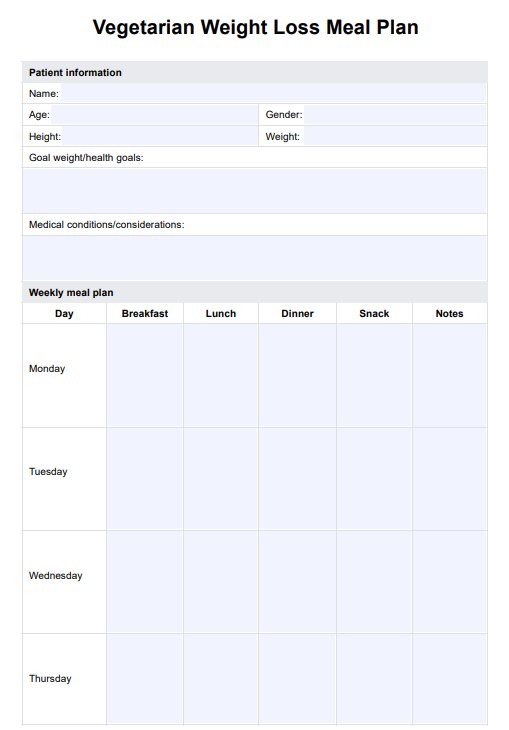
Vegetarian foods that are good for weight loss
Incorporating a variety of whole foods into a vegetarian meal plan can help individuals lose weight healthily while maintaining their nutritional needs. Here are key groups of foods that work well in vegetarian meal plans for weight loss, along with their benefits:
Leafy greens and non-starchy vegetables
Leafy greens like spinach, kale, and arugula and non-starchy vegetables such as broccoli, cauliflower, and bell peppers are staples in a weight loss diet. These foods are low in calories, high in fiber, and packed with vitamins and minerals.
Whole grains
Whole grains like brown rice, quinoa, and whole-grain bread are excellent sources of complex carbs that provide long-lasting energy. These foods help maintain a balanced diet, prevent weight gain, support a steady calorie intake, regulate digestion, and prevent energy dips.
Plant-based protein sources
Protein is essential for maintaining muscle mass during weight loss. Vegan cheese, tofu, lentils, and black bean soup are great vegetarian protein options. These foods enhance protein intake, boost metabolism, and keep clients feeling full for longer.
Healthy fats
Foods rich in healthy fats, such as chia seeds, almond butter, avocado, and olive oil, are essential in a balanced vegetarian diet. When consumed in moderation, they provide energy and promote overall health without contributing to excess weight.
Fresh fruits and berries
Fresh fruits like apples, oranges, and frozen berries are nutrient-dense and naturally low in calories. They provide natural sweetness, vitamins, and antioxidants. Fruits and berries support healthy eating habits and improve mental health by reducing stress.
Starchy vegetables
Starchy vegetables like sweet potatoes, squash, and carrots offer a healthy carbohydrate source that supports energy needs. They provide essential nutrients and energy for physical activity during the weight loss journey.
Dairy alternatives
Alternatives like unsweetened almond milk and vegan cheese cater to those following vegan diets while ensuring nutritional adequacy. These alternatives reduce reliance on animal foods while supporting a vegan diet plan. Use unsweetened almond milk in smoothies or as a base for soups and sauces.
Nuts, seeds, and nut butters
Nuts and seeds, such as almonds, walnuts, chia seeds, and almond butter, are nutrient-dense and high in dietary fats. They provide essential fats, improve satiety, and aid in controlling cravings.