


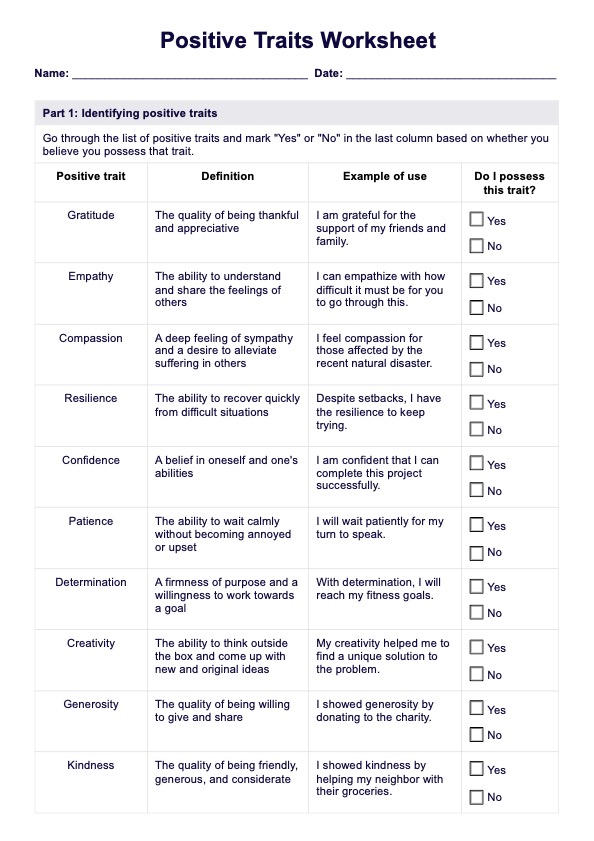




What does good character mean?
When talking about good character traits, what comes to mind first? Good character is not just about having a pleasant smile or being polite. It's about the underlying set of positive personality traits that guide a person's actions and interactions with the world. These character traits describe personal attributes, behaviors, and how people treat themselves and others.
Positive character traits are the building blocks of a good person. They influence how people make decisions, navigate challenges, and build relationships. They also contribute to a person's growth, positive appearance, and overall well-being (Peterson & Seligman, 2004). As a healthcare professional, for instance, only you can take action to cultivate good character traits that create a positive impact in your workplace and with patients.
Positive character traits
Positive character traits are essential qualities that shape an individual's personality, behavior, and interactions with others. These traits contribute to personal growth, healthy relationships, and a positive societal impact. Some critical positive personality traits include:
- Honesty: Being truthful, transparent, and sincere in words and actions. Being honest builds trust and integrity in relationships.
- Respect: This means treating others with consideration, valuing their perspectives, and acknowledging their feelings. A sense of respect fosters a supportive and inclusive environment.
- Kindness: Kindness is about showing empathy and concern for others' well-being. This creates a compassionate and caring atmosphere.
- Responsibility: When one is responsible, they take accountability for their actions, decisions, and commitments. Responsibility demonstrates reliability and trustworthiness.
- Perseverance: The core of perseverance is persisting in the face of challenges and not giving up easily. This trait helps individuals overcome obstacles and achieve their goals.
- Courage: Courage is the strength to act by one's beliefs and principles, even in difficult situations. Courage promotes integrity and ethical decision-making.
- Humility: Humility is recognizing one's limitations and being open-minded about learning new ideas from others. It fosters a high level of commitment to growth and fostering respectful relationships.
- Integrity: Integrity is adhering to strong moral principles and acting in alignment with one's values. Integrity builds trust and credibility.
It's important to remember that good character is a journey, not a destination. Everyone makes mistakes, and growth comes from learning and adapting. Positive character traits can be developed and strengthened through self-reflection, constructive criticism, and a commitment to being the best version of oneself (Park & Peterson, 2009). This allows clients to be more self-confident and learn to practice self-control in everyday life.
When we encourage the development of positive character traits, we can empower individuals to build strong relationships, exercise compassion, and lead fulfilling lives.
How can we develop positive character traits?
Developing positive character traits is an ongoing process that requires conscious effort, self-reflection, and a willingness to learn and grow. Here are some effective strategies that can help cultivate and strengthen these essential qualities:
1. Self-awareness
The first step in developing positive traits is understanding one's strengths, weaknesses, values, and beliefs. Take time for introspection and identify the traits clients already possess and those they wish to develop.
2. Role models
Let clients observe individuals who exemplify the positive traits they admire. Learn from their behavior, attitudes, and approach to life. Clients can also seek mentors or colleagues who can provide guidance and inspiration.
3. Deliberate practice
Actively incorporate positive traits into your daily life and interactions. Practice being patient, empathetic, or resilient in challenging situations. Consistently applying these traits will help them become ingrained habits.
4. Constructive feedback
Clients can also seek input from trusted sources, such as colleagues, friends, or family members. Be open to constructive criticism and use it as an opportunity for personal growth.
5. Personal growth activities
Encourage clients to engage in activities that promote self-development, such as reading books on personal growth, attending workshops or seminars, or participating in support groups or coaching sessions.
6. Accountability partners
You can also recommend clients find an accountability partner or join a group that shares similar goals and is focused on personal growth. Encourage and support each other in cultivating positive traits.









