


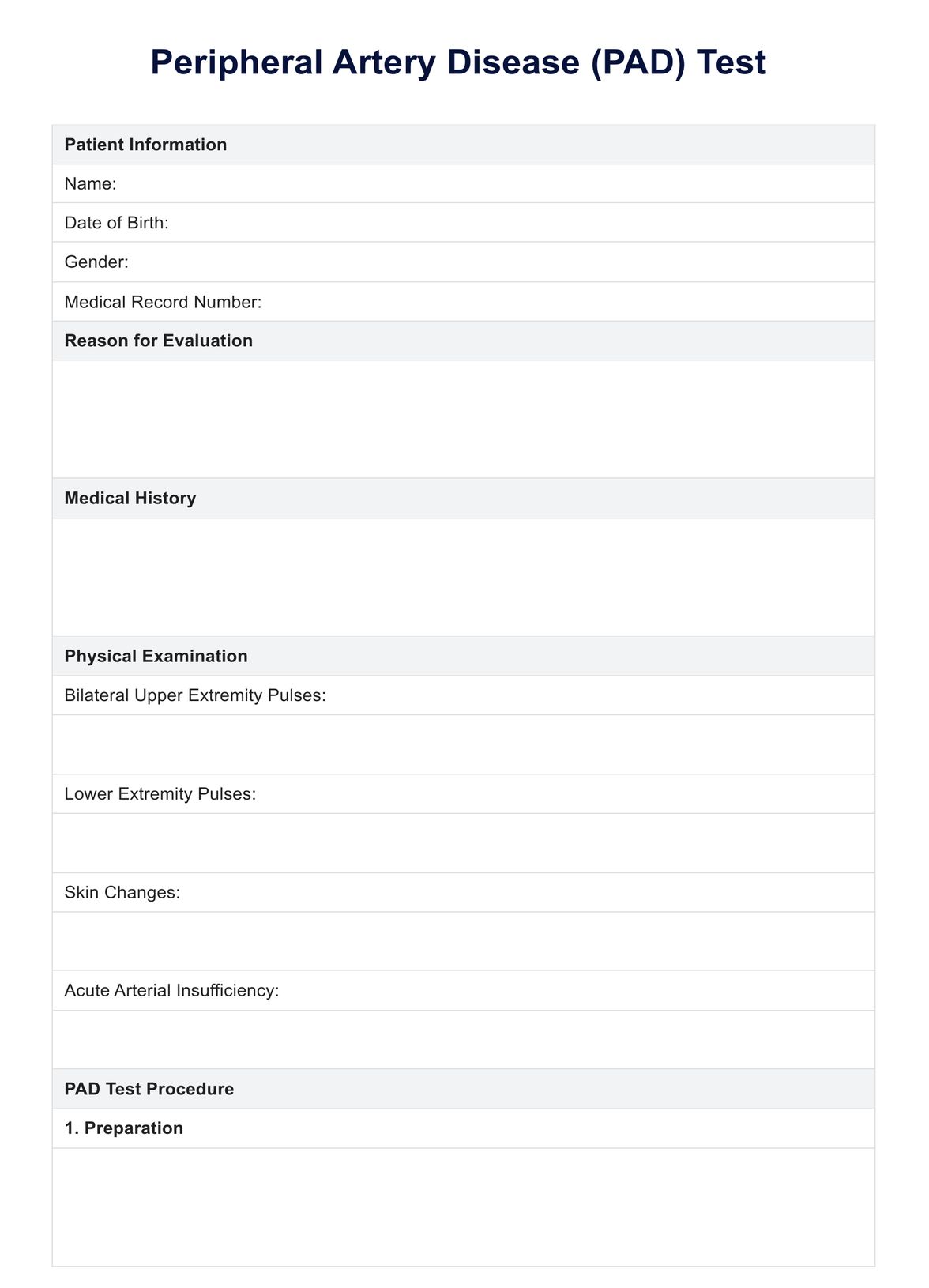




What is peripheral artery disease?
Peripheral artery disease (PAD), also known as peripheral arterial disease, is characterized by poor blood flow in the arteries of the lower limbs due to plaque buildup, which narrows and blocks the blood vessels.
This reduced blood flow can lead to various symptoms, including leg pain, particularly during physical activity (intermittent claudication), and shiny skin on the legs and feet. PAD shares risk factors with coronary artery disease, including high blood pressure, high cholesterol, diabetes, and smoking. Additionally, factors such as a family history of vascular or heart disease either, older age, and unhealthy lifestyle habits increase the risk of developing PAD.
Diagnosing PAD involves a combination of a medical history review, a physical exam or examination, and specific tests. One such test is the ankle-brachial index (ABI) test, which compares the blood pressure in the ankle with that in the arm to assess blood flow in the lower limbs. Other diagnostic tests may include Doppler ultrasound, magnetic resonance angiography (MRA), and blood tests to check for markers of inflammation and blood clotting.
Early detection of PAD is crucial for preventing complications such as cardiovascular events and limb amputation. Once diagnosed, treatment aims to manage symptoms, improve blood flow, and reduce the risk of complications.
This may involve lifestyle changes such as adopting a healthy diet low in saturated fats, regular physical activity, exercise training, and supervised exercise programs tailored to improve walking distance and cardiovascular health. Medications may sometimes be prescribed to lower blood pressure and cholesterol or prevent blood clot formation.
For severe cases of PAD, procedures such as angioplasty (to widen narrowed arteries) or bypass surgery (to reroute blood flow around blocked arteries) may be necessary. However, these interventions are typically reserved for individuals with significant symptoms or those at high risk of limb loss.
PAD symptoms and signs
Peripheral artery disease (PAD) is a peripheral vascular disease that manifests through various symptoms and signs, primarily affecting the lower limbs. Here are the key symptoms and signs associated with PAD:
Pain
Pain symptoms associated with peripheral artery disease (PAD) typically manifest as intermittent claudication, causing discomfort, cramping, or pain in the legs during physical activity. This pain subsides with rest but reoccurs upon resuming activity. Additionally, individuals may experience persistent leg pain, especially during exercise, significantly impacting mobility and daily activities.
Sensory
Sensory symptoms of PAD involve sensations of numbness or weakness in the legs and feet, particularly during physical exertion. These sensations may affect mobility and contribute to difficulties in walking or performing routine tasks.
Skin changes
Skin changes associated with PAD include skin texture, temperature, and coloration alterations. Reduced blood flow to the legs and feet can result in a shiny or smooth skin appearance and decreased hair growth. Additionally, affected limbs may feel colder to the touch due to inadequate circulation, and the skin may exhibit a pale or bluish hue, indicating reduced oxygen supply.
Physical examination findings
During a physical examination, healthcare providers may detect signs of PAD, such as weak or absent pulses in the affected limbs. The absence or diminishment of pulses indicates reduced blood flow to these areas, highlighting the vascular compromise associated with PAD. Identifying such signs is crucial for accurately diagnosing and appropriately managing the condition.
Wound healing
Impaired wound healing is a common sign of advanced PAD, as compromised blood flow hinders the body's ability to repair damaged tissue effectively. Slow-healing or non-healing wounds, particularly on the legs and feet, may develop into ulcers or sores. Monitoring wound healing and promptly addressing any delays or complications is essential for preventing infections and reducing the risk of further complications.
Advanced signs
In advanced stages of PAD, individuals may experience rest pain, characterized by discomfort in the feet or toes, even during periods of rest. This persistent pain can disrupt sleep patterns and significantly impact quality of life. Furthermore, the development of gangrene, resulting from tissue death due to severe ischemia, poses a serious threat to limb viability and necessitates urgent medical attention. Identifying these advanced symptoms is critical for timely intervention and prevention of limb loss.









