




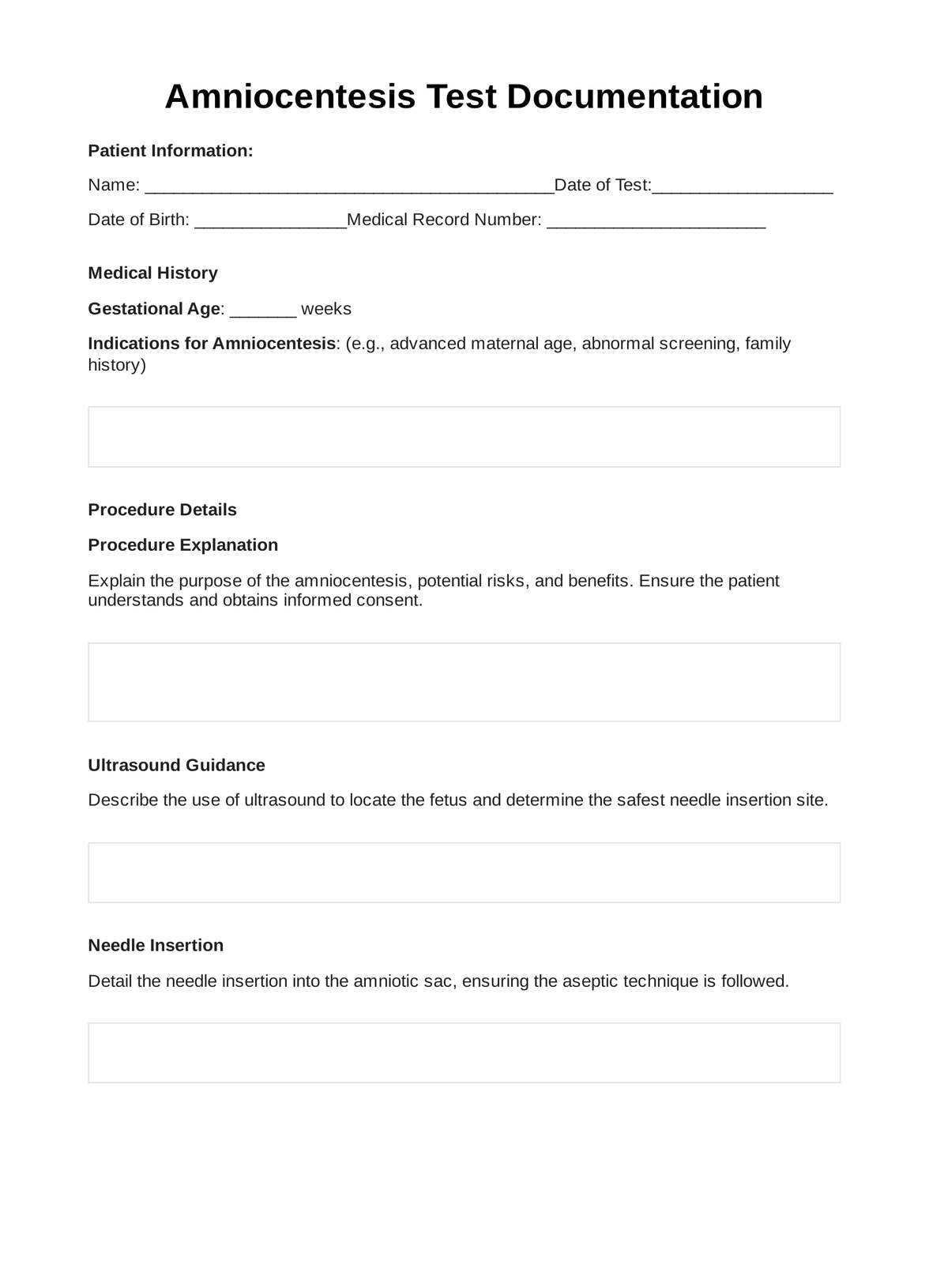




What is an Amniocentesis Test?
Amniocentesis tests are a vital diagnostic tool used during pregnancy to obtain essential information about the developing fetus. This medical procedure involves extracting a small sample of amniotic fluid from the amniotic sac surrounding the fetus, which may reveal crucial insights into the baby's health and genetic makeup. Typically, amniocentesis tests are performed between the 15th and 20th week of pregnancy, although they can be done later in some cases.
Amniocentesis tests aim to diagnose genetic disorders and chromosomal abnormalities such as Down syndrome, cystic fibrosis, or neural tube defects like spina bifida. Additionally, it can help assess the baby's lung maturity in cases where early delivery is being considered.
The results from amniocentesis tests can take a few days to several weeks to process. Once available, they can help parents and healthcare providers make informed decisions about the pregnancy, including potential treatment options or preparing for the needs of a child with specific health conditions.
While amniocentesis tests are a valuable diagnostic tool, they are not without risks. There is a small risk of complications such as infection, bleeding, or leakage of amniotic fluid. Therefore, the decision to undergo this procedure should be based on individual circumstances, including maternal age, family history, and other prenatal screening results, and should be thoroughly discussed with a healthcare provider.
are a vital diagnostic tool that can provide crucial information about the developing fetus and help parents and healthcare providers make informed decisions about the pregnancy. It's essential to discuss the risks and benefits of undergoing this procedure with a healthcare provider to make an informed decision.









