






An introduction to ADHD
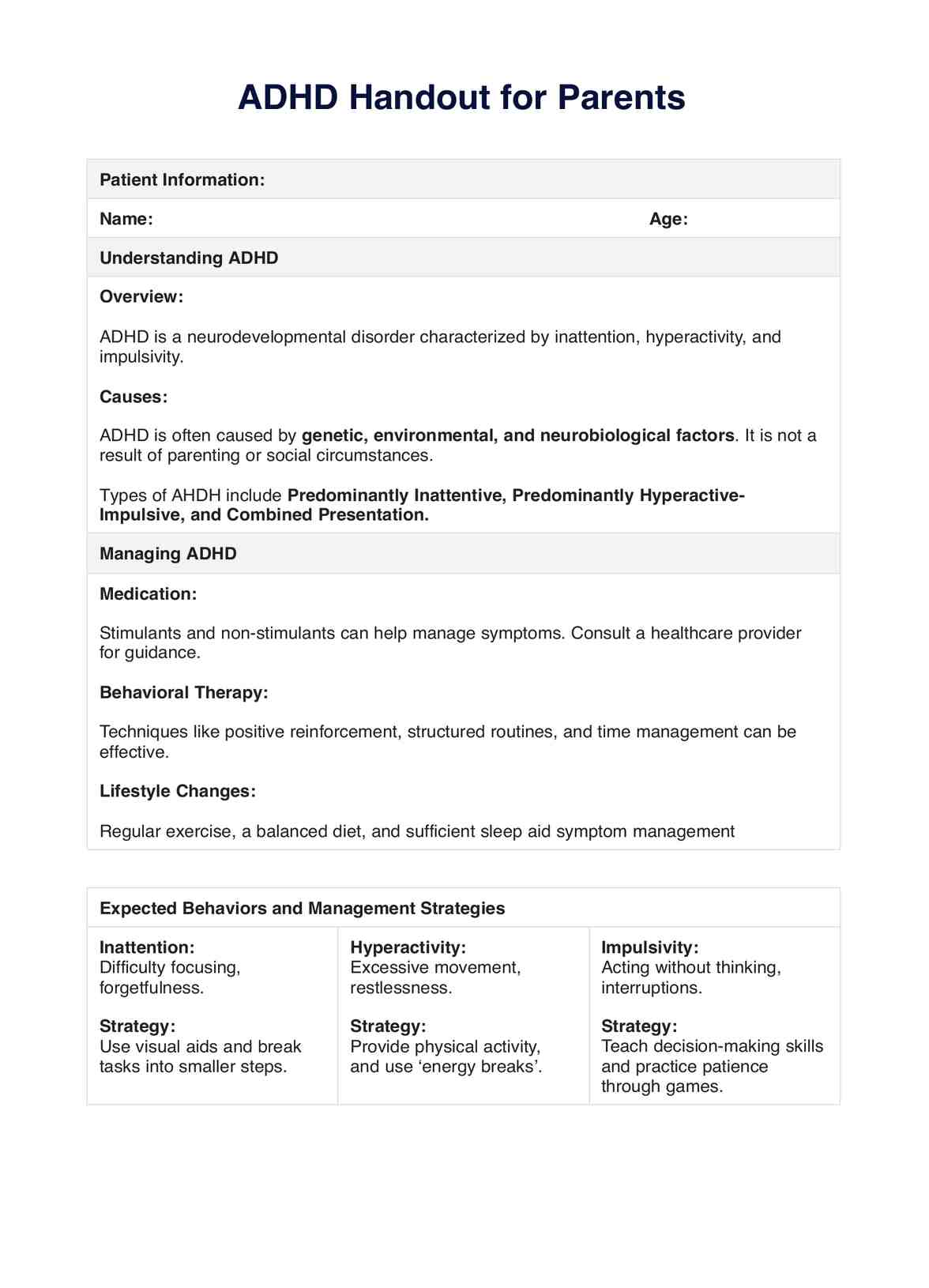
Attention-Deficit/Hyperactivity Disorder (ADHD), formerly known as Attention Deficit Disorder, is a neurodevelopmental disorder characterized by a pattern of inattention, hyperactivity, and impulsivity that deviates significantly from the norm for a person's developmental stage. ADHD, diagnosed based on a combination of genetic, environmental, and neurological factors, arises from these diverse causes and is not a result of parenting or social circumstances.
Contrary to prevalent myths, it is not caused by sugar consumption, poor parenting, or excessive screen time. Genetic research indicates vital hereditary components, while environmental factors like prenatal exposures contribute.TheD's recognition of ADHD has evolved over the years. Early 20th-century descriptions laid the groundwork for today's understanding, which now acknowledges ADHD as a complex disorder affecting both children and adults.
The American Psychiatric Association (APA) details in the Diagnostic and Statistical Manual of Mental Disorders (DSM) specific diagnostic criteria to diagnose ADHD:
- Inattention: Six or more symptoms of inattention for children up to age 16, or five or more for adolescents 17 and older and adults; symptoms of inattention have been present for at least 6 months and are inappropriate for developmental level.
- Hyperactivity and impulsivity: Six or more symptoms of hyperactivity-impulsivity for children up to age 16, or five or more for adolescents 17 and older and adults; symptoms of hyperactivity-impulsivity have been present for at least 6 months to an extent that is disruptive and inappropriate for the person's developmental level.
- Several inattentive or hyperactive-impulsive symptoms were present before age 12 years.
- Several symptoms are present in two or more settings (such as at home, school, work, with friends or relatives, or in other activities).
- There is clear evidence that the symptoms interfere with or reduce the quality of social, school, or work functioning.
- The symptoms do not happen only during schizophrenia or another psychotic disorder and are not better explained by another mental disorder.
ADHD is one of the most common neurodevelopmental disorders among children and often continues into adulthood. It can affect academic achievement, occupational success, and interpersonal relationships. ADHD manifests in three primary types:
- Predominantly inattentive: Challenged sustaining attention, following detailed instructions, and organizing tasks.
- Predominantly hyperactive-impulsive presentation: Symptoms include excessive physical movement and impulsive actions.
- Combined presentation: A mix of inattentive and hyperactive-impulsive symptoms.
Still, it's not a black-and-white situation; ADHD is more like a spectrum, which is why it is essential to do a spectrum test when assessing ADHD.
Recognizing ADHD is vital for parents, educators, and healthcare professionals. It's crucial to debunk myths, understand the clinical criteria, and adopt appropriate management strategies to support individuals with ADHD effectively.









