




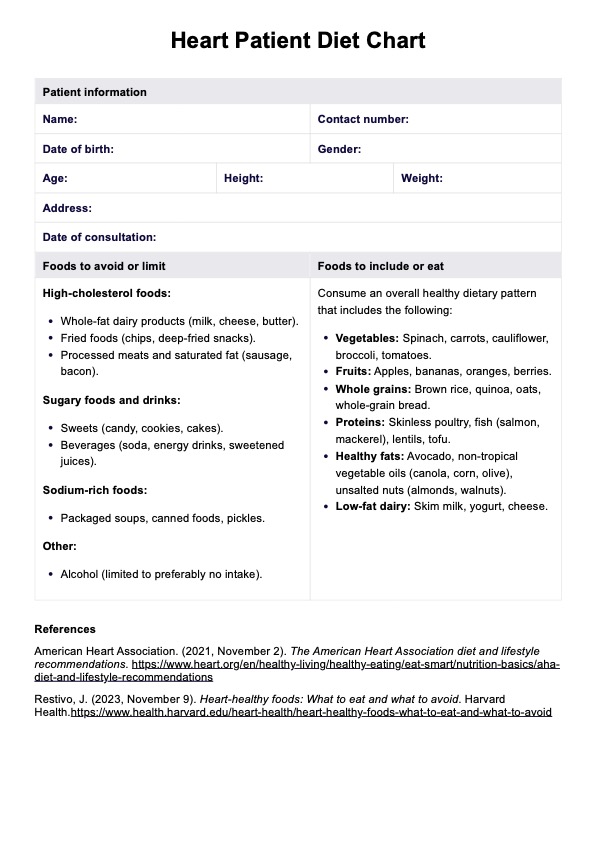




What is a Heart Patient Diet Chart?
A Heart Patient Diet Chart is a structured meal guide designed to support the dietary needs of individuals managing or at risk for cardiovascular disease. It provides healthcare professionals with a framework to create a balanced diet that focuses on reducing blood pressure, minimizing the intake of saturated fat, and promoting heart-healthy foods. According to The American Heart Association's (2021) diet and lifestyle recommendations, the diet typically emphasizes nutrient-rich options such as leafy green vegetables, whole grains, low-fat dairy products, and lean protein sources like kidney beans, fish, and poultry.
A well-crafted Heart Patient Diet Chart PDF is a clinical tool to help professionals recommend healthy eating habits that can prevent the progression of conditions like heart disease. It discourages the consumption of processed foods, excess salt intake, and fried foods, all of which can exacerbate heart-related conditions. Instead, the chart encourages a vegetarian diet or meal plans incorporating whole grains, olive oil, and other heart-healthy ingredients. Healthcare providers can enhance their patients' heart health and long-term well-being by focusing on such dietary habits.
Foods to include
A Heart Patient Diet Chart focuses on foods that promote a healthy heart while maintaining a balanced diet. These include leafy green vegetables, which are high in vitamins and antioxidants and are essential for reducing inflammation and improving heart health. Incorporating whole grains like oats, barley, and brown rice can help lower cholesterol and stabilize blood sugar levels.
Lean protein sources such as fish, chicken, tofu, beans, and kidney beans are vital for maintaining muscle health without increasing cholesterol levels (Restivo, 2023). Healthy fats from sources like fatty fish, olive oil, and nuts are preferred over saturated fats from animal products. Low-fat or low-fat dairy products, such as low-fat yogurt, are also recommended to support overall nutrition.
Encouraging a vegetarian diet or meals rich in plant-based proteins can offer significant cardiovascular benefits. A diet plan that integrates these heart-healthy foods supports a cardiac diet and helps manage weight, blood pressure, and cholesterol.
Foods to avoid
The Heart Patient Diet Chart emphasizes reducing or eliminating foods contributing to poor heart health. Avoiding processed foods like packaged snacks, sugary drinks, and refined grains is critical to preventing blood sugar and cholesterol spikes. Foods high in saturated fat, such as red meats, butter, and cream-based sauces, should be limited to avoid clogging arteries and worsening cardiovascular disease (American Heart Association, 2021). Patients can also limit carbohydrates and stick with 1 cup of rice per day.
High salt intake from processed meats, canned soups, and salty snacks is discouraged, as it increases blood pressure, placing additional strain on the heart. Similarly, fried foods and baked goods made with hydrogenated oils are eliminated due to their negative impact on cholesterol levels. Alcohol, if consumed, should be strictly limited, as excessive intake can harm the heart and overall health.
A meal plan that focuses on replacing these harmful items with heart-healthy eating options ensures improved heart function, better weight management, and reduced risk of heart disease.









