








What is anger management?
Anger management is a set of techniques and strategies designed to help individuals understand, control, and effectively deal with anger in a healthy and constructive manner. Anger, often considered a normal and natural emotion, is characterized by irritation, frustration, or hostility in response to perceived threats, injustices, or stressors.
However, when anger is not managed appropriately, it can lead to negative consequences for the individual experiencing anger and those around them.
This is essential for several reasons. Uncontrolled anger can damage relationships, cause workplace conflicts, physical health problems, and cause emotional distress. It can also lead to impulsive and regrettable actions that one may later regret. Therefore, managing anger is crucial for personal and interpersonal well-being.
It involves various techniques, including:
- Self-awareness: The first step is understanding the triggers and early warning signs of anger. Recognizing when anger builds up allows individuals to intervene before it escalates.
- Relaxation techniques: Deep breathing, meditation, and progressive muscle relaxation can help reduce the physical and emotional tension associated with anger.
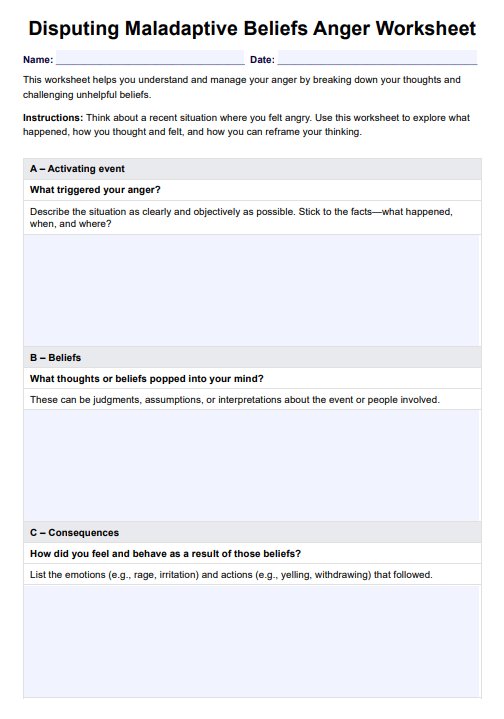
- Cognitive restructuring: This involves changing negative thought patterns and irrational beliefs that fuel anger. Individuals can diffuse their anger by adopting a more rational and balanced perspective.
- Communication skills: Expressing one's feelings and concerns assertively, rather than aggressively, is essential for resolving conflicts and preventing anger from spiraling out of control.
- Problem-solving: Developing practical problem-solving skills can help address the underlying issues that trigger anger, reducing recurrence.
- Stress management: Stress is often a significant contributor to anger. Managing stress through exercise, time management, and other stress-reduction techniques can reduce anger triggers.
Anger management is not about suppressing anger, but rather channeling it healthily, promoting personal growth, and improved relationships. It empowers individuals to take control of their emotions, respond to challenging situations more constructively, and lead a more fulfilling life.









