







The importance of nursing depression properly
Properly nursing depression is crucial for improving patient outcomes, ensuring safety, and enhancing the quality of care in healthcare settings. Major depressive disorder (MDD), a prevalent mental health disorder, significantly impacts a patient's ability to function (Bains & Abdijadid, 2023). When untreated, it can lead to self-harm, increased suicide risk, and deteriorating physical health. Healthcare practitioners must recognize depressive symptoms early, including a depressed mood, changes in appetite, sleep disturbances, and loss of interest in activities, to initiate timely interventions (NHS, 2023).
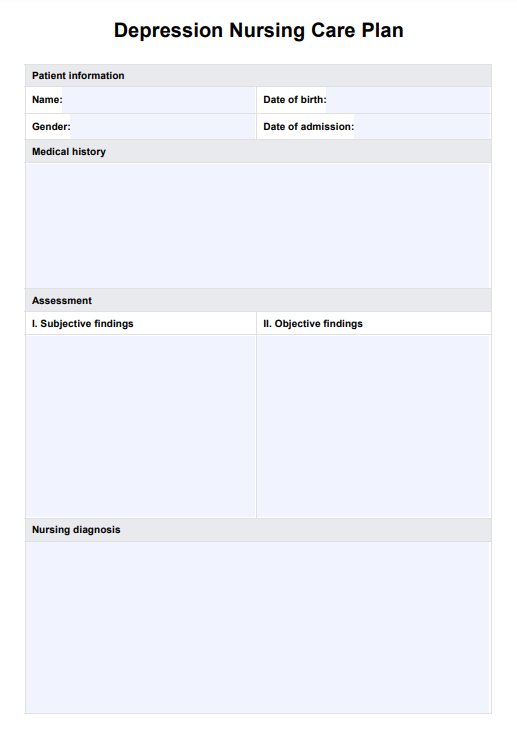
Nursing diagnosis plays a vital role in managing mental disorders like clinical depression and other mood disorders. Accurate diagnosis enables the formulation of individualized care plans that address patients' emotional and physical needs. Without proper assessment, patients with mood disorders may experience worsening symptoms, delayed recovery, and increased hospitalization risks. Nurses must consider factors like the patient’s support system, history of mental illness, and previous suicide risk when developing interventions.
Effective nursing care for mental health conditions requires an integrated approach. This includes identifying depressive symptoms, providing emotional support, educating patients and their families, and promoting adherence to treatment plans. Inadequate care for depression can lead to adverse outcomes such as neglect of self-care, social withdrawal, and persistent depressive states.









