
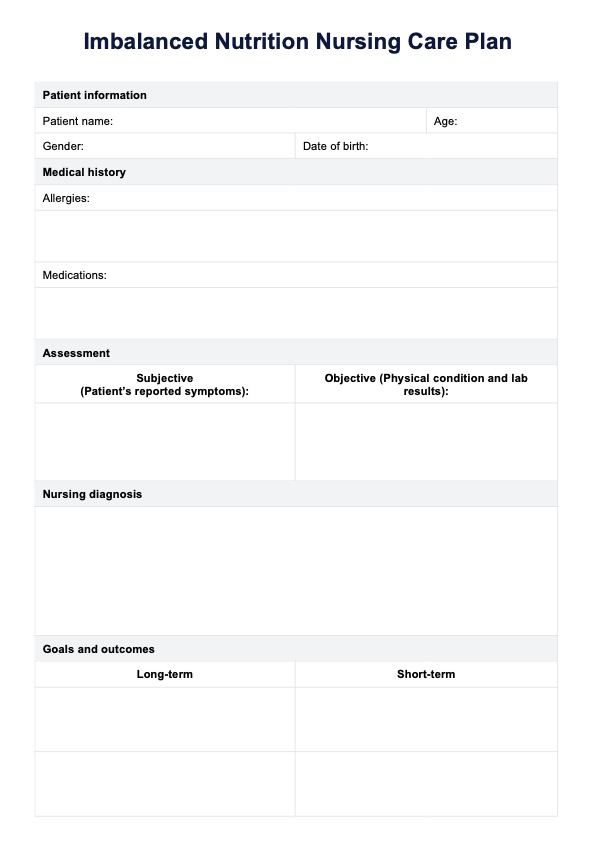




The importance of balanced nutrition
Proper nutrition is crucial for maintaining health and overall well-being, as it provides the essential nutrients for the body to function optimally. Imbalanced nutrition arises when these nutrients are insufficient or excessive relative to the body’s metabolic needs, potentially leading to conditions like malnutrition, poor nutritional intake, or obesity.
Factors affecting nutritional status include poor dietary habits, risk factors such as prolonged protein deficiency intake, and other health conditions that contribute to nutritional deficiencies. Imbalanced nutrition less than body requirements can result in weight loss, muscle wasting, and impaired wound healing due to insufficient nutrient intake. Conversely, excessive intake can lead to increased body weight and associated health complications.
Healthcare professionals, including those in medical-surgical nursing, play a critical role in assessing these imbalances through comprehensive nursing assessments, dietary evaluations, and lab tests. Collaborating with other healthcare professionals allows a multidisciplinary approach to meet the patient's nutritional needs through targeted interventions, such as dietary modifications, nutritional supplements, and healthy eating habits. Understanding these basic nutritional concepts is essential for addressing imbalances and supporting optimal health outcomes.









