




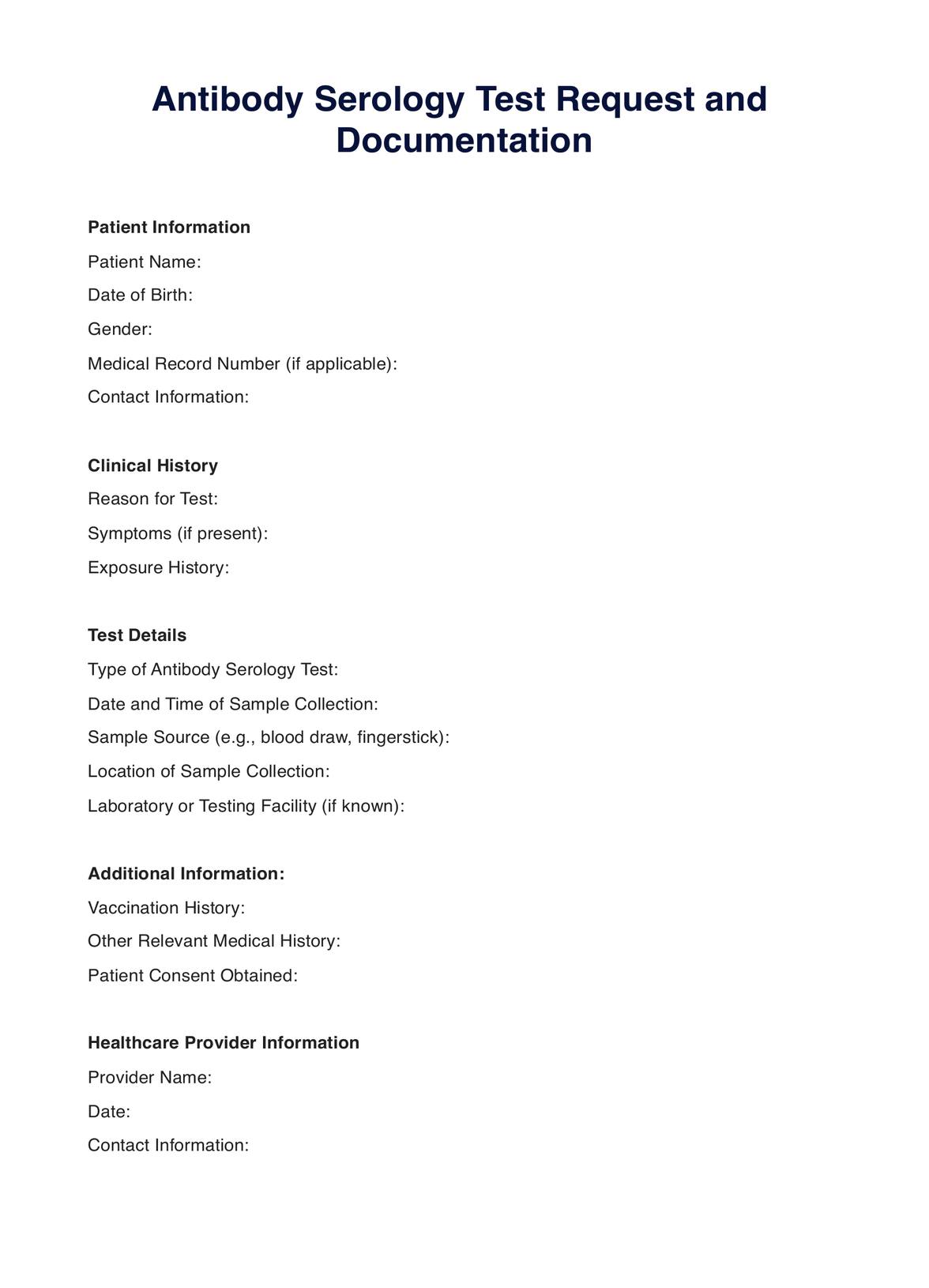




What is an Antibody Serology Test?
An antibody serology test, often simply referred to as a serology test, is a diagnostic tool used in medicine to detect the presence of antibodies in a person's blood serum. Antibodies are proteins produced by the immune system in response to the presence of foreign substances, such as viruses or bacteria. These tests are crucial in understanding a person's immune response to infections and are particularly valuable in infectious diseases like COVID-19.
The test involves collecting a blood sample from the patient, typically through a simple blood draw. This sample is then sent to a laboratory for analysis. In the case of COVID-19, for example, the test aims to identify antibodies specific to the SARS-CoV-2 virus, which causes the disease. If these antibodies are detected in the patient's blood, the individual has been exposed to the virus at some point and has developed an immune response.
Antibody serology tests serve several important purposes:
- Past Infection Confirmation: They can confirm whether a person has previously been infected with a particular pathogen, providing insights into an individual's immune history.
- Population Surveillance: These tests estimate the prevalence of a disease within a community or population, aiding public health efforts.
- Vaccination Monitoring: They help determine the effectiveness of vaccines by measuring the presence and levels of antibodies in vaccinated individuals.
- Research and Development: Serology tests are essential for studying the dynamics of infectious diseases and developing effective treatments and vaccines.
Serology test results may not indicate current infection as antibodies may persist after recovery. Test accuracy can vary, and healthcare professionals consider clinical context and other diagnostic information when interpreting results.









