









What is a Performance Plan?
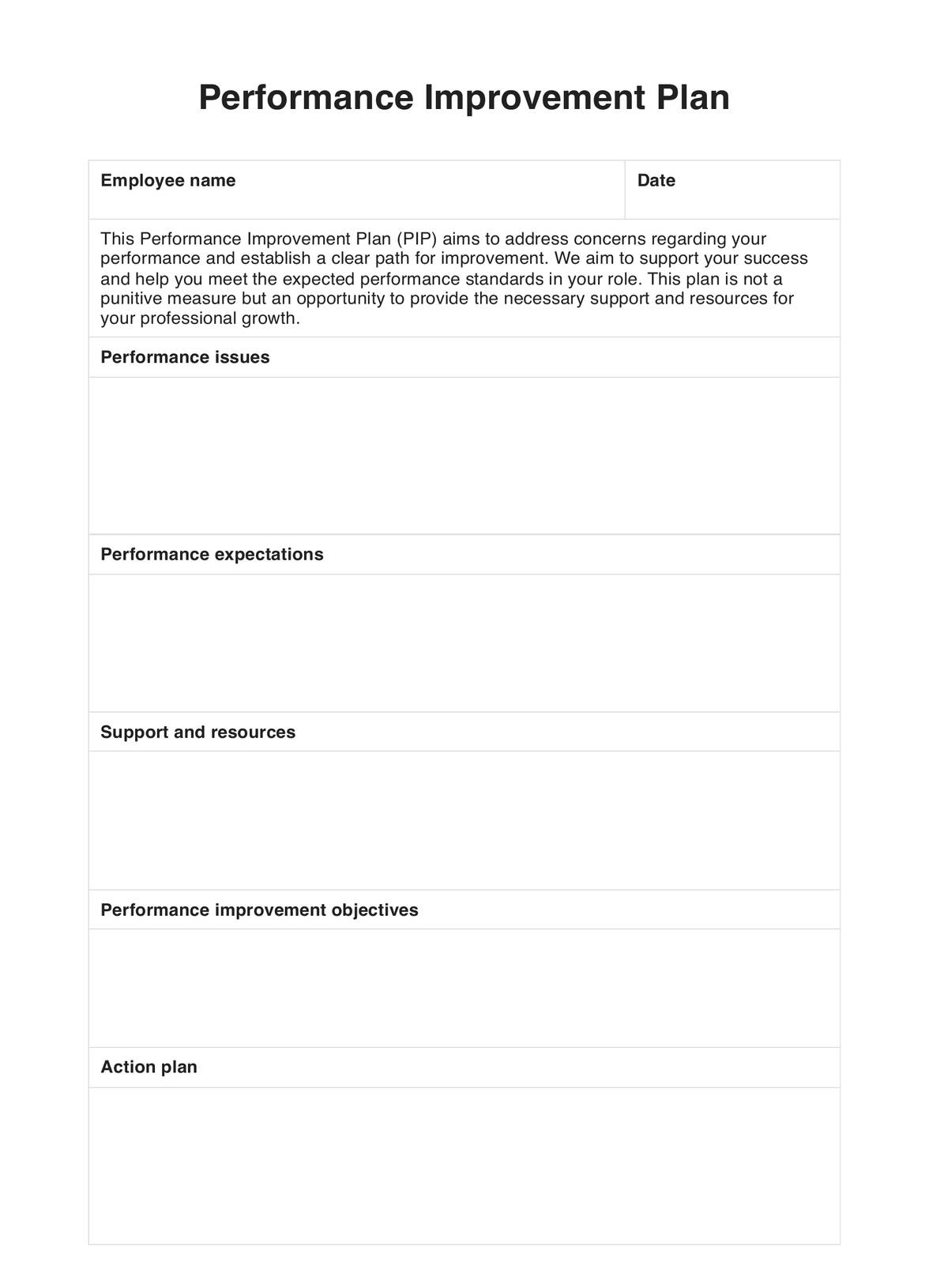
A Performance Improvement Plan (PIP) is a formal document that addresses situations where an employee's performance falls below expectations. It's a structured approach to helping underperforming employees improve their work and meet company standards. This is one strategy for involved parties to discuss performance issues (Grote, 2011). Sometimes, it's also referred to as a performance action plan or performance plan.
We can think of it as a road map to positive organizational change. A PIP outlines the areas where improvement is needed, sets clear and measurable objectives, and provides a timeline for achieving them. It also details the resources and support available to the employee throughout the process (Aguinis, 2019).
Purpose of a Performance Improvement Plan
Now that we have a general overview of Performance Improvement Plans, we will look into the primary purpose of a PIP, which is to create measurable objectives to help an entire team improve at work. Employers and the Human Resources (HR) team can then address the following PIP objectives:
- Provide clarity and open dialogue, especially about poor performance.
- Communicate clear expectations about acceptable performance at work.
- Create a clear path in setting improvement goals for job performance.
- Offer necessary resources and support to address performance deficiencies.
- Track employee performance and monitor progress over time.
- Demonstrate a commitment and foster a positive attitude in helping valued employees meet expectations.
- Protect the company from potential legal issues related to termination.









