









What is dementia?
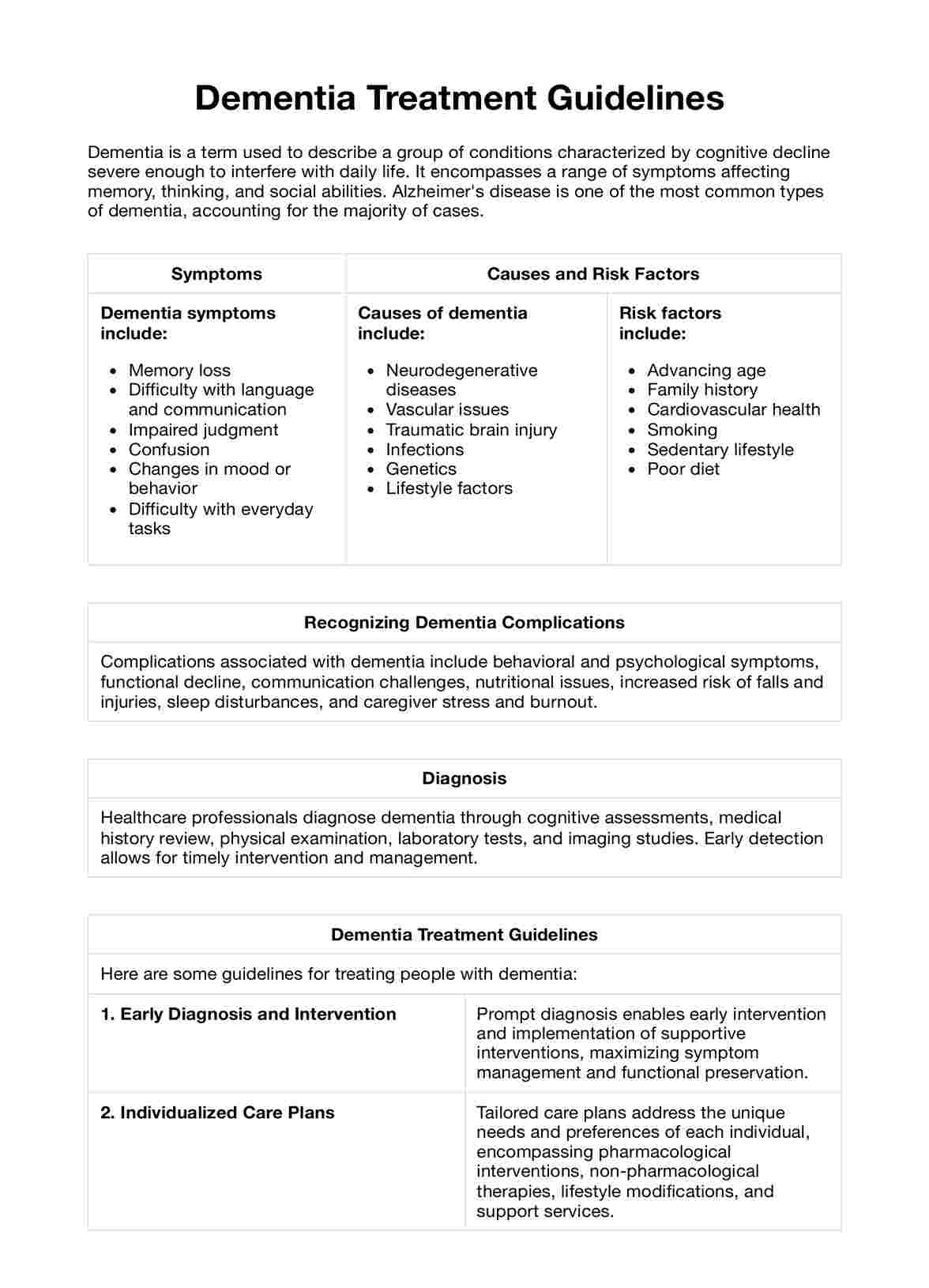
Dementia is a term used to describe a group of conditions characterized by cognitive decline severe enough to interfere with daily life. It is not a specific disease but rather an umbrella term encompassing a range of symptoms that affect memory, thinking, and social abilities to varying degrees. One of the most common types of dementia is Alzheimer's disease, accounting for approximately 60-80% of cases.
At its core, dementia involves a decline in cognitive function beyond what might be expected from normal aging. This decline can manifest in various ways, including memory loss, difficulty with language and communication, impaired judgment, and changes in mood or behavior. These behavioral and psychological symptoms can have a profound impact on both individuals with dementia and their caregivers.
Importantly, dementia is not just about memory loss. It also encompasses a range of cognitive and behavioral symptoms that can significantly impact an individual's quality of life. In some cases, dementia may begin with mild cognitive impairment, where memory and thinking skills are impaired but not severe enough to interfere with daily functioning. However, as the condition progresses, cognitive decline becomes more pronounced, eventually leading to significant impairment in multiple areas of functioning.
Understanding dementia is crucial for healthcare professionals in clinical practice, caregivers, and family members. Additionally, raising awareness about dementia helps reduce stigma and promotes a more supportive environment for individuals living with the condition.
Dementia symptoms
Dementia symptoms vary depending on the underlying cause and the stage of the condition. It's important to recognize these symptoms early to facilitate timely intervention and support. Below are some common signs and symptoms associated with dementia:
- Memory loss: Forgetfulness, particularly of recent events or important dates.
- Difficulty with language and communication: Trouble finding the right words, following conversations, or understanding speech.
- Impaired judgment: Poor decision-making, inability to assess risks or understand consequences.
- Confusion and disorientation: Getting lost in familiar places, losing track of time, or difficulty recognizing people.
- Difficulty with everyday tasks: Struggling to complete routine tasks such as cooking, cleaning, or managing finances.
- Changes in mood or behavior: Mood swings, agitation, irritability, apathy, or withdrawal from social activities.
- Loss of interest: Decreased interest in hobbies or activities once enjoyed.
- Personality changes: Shifts in personality traits, such as becoming suspicious, paranoid, or impulsive.
- Difficulty with complex tasks: Challenges with planning, organizing, or problem-solving.
- Inability to recognize familiar objects or faces: Difficulty recognizing familiar objects or people, even close family members.
Dementia causes and risk factors
Dementia can arise from various factors, including neurodegenerative diseases, vascular issues, and lifestyle factors. Identifying these causes and risk factors can help implement preventive measures and targeted interventions to reduce the risk of dementia.
Causes:
- Neurodegenerative diseases: Conditions such as Alzheimer's disease, Parkinson's disease, and Lewy body dementia involve progressive damage to brain cells, leading to cognitive decline.
- Vascular issues: Conditions affecting blood flow to the brain, such as strokes, small vessel disease, or transient ischemic attacks (TIAs), can contribute to vascular dementia.
- Traumatic brain injury: Head injuries resulting from accidents, falls, or sports-related injuries can increase the risk of developing dementia, especially if repeated or severe.
- Infections: Certain infections, such as HIV/AIDS or chronic infections causing inflammation in the brain, may increase the risk of dementia.
- Genetics: Family history and genetic factors can play a role in certain types of dementia, such as early-onset Alzheimer's disease or frontotemporal dementia.
- Lifestyle factors: Unhealthy lifestyle choices, including poor diet, lack of exercise, smoking, excessive alcohol consumption, and untreated hypertension or diabetes, can increase the risk of developing dementia.
Risk factors:
- Age: Advancing age is the most significant risk factor for dementia, with the risk increasing significantly after the age of 65.
- Family history: Having a family member with dementia increases the risk of developing the condition.
- Cardiovascular health: Conditions such as high blood pressure, high cholesterol, obesity, and diabetes can increase the risk of vascular dementia.
- Smoking: Tobacco use is associated with an increased risk of dementia due to its detrimental effects on cardiovascular health and brain function.
- Sedentary lifestyle: Lack of physical activity is linked to a higher risk of cognitive relapse and dementia.
- Poor diet: Diets high in saturated fats, sugars, and processed foods and low in fruits, vegetables, and omega-3 fatty acids may increase the risk of dementia.
Examples of dementia complications
Living with dementia can lead to various complications that affect both the individual with the condition and their caregivers. Understanding these potential complications is crucial for providing comprehensive care and support.
Here are some common examples of complications associated with dementia:
- Behavioral and psychological symptoms: Individuals with dementia may experience behavioral and psychological symptoms such as agitation, aggression, wandering, hallucinations, and delusions. These symptoms can be distressing for both the individual and their caregivers and may require specialized interventions for management.
- Functional decline: As dementia progresses, individuals may experience a decline in their ability to perform activities of daily living independently. This decline can include difficulties with self-care tasks, mobility, and maintaining a safe environment, leading to increased dependency on caregivers.
- Communication challenges: Dementia can affect language abilities, making it challenging for individuals to express themselves effectively or understand others. Communication difficulties can lead to frustration, social isolation, and misunderstandings, impacting relationships and quality of life.
- Nutritional issues: Individuals with dementia may experience changes in appetite, taste perception, or swallowing difficulties, putting them at risk of malnutrition or dehydration. Poor nutrition can exacerbate cognitive downturn, weaken immune function, and increase the risk of other health complications.
- Increased risk of falls and injuries: Cognitive impairment, impaired balance, and gait disturbances associated with dementia can increase the risk of falls and injuries. Falls can result in fractures, head injuries, and other serious consequences, requiring appropriate preventive measures and safety interventions.
- Sleep disturbances: Sleep disturbances are common among individuals with dementia, including insomnia, nighttime wandering, and daytime sleepiness. Poor sleep quality can exacerbate cognitive impairment, mood disturbances, and behavior symptoms, affecting overall well-being and functioning.
- Caregiver stress and burnout: Providing care for a loved one with dementia can be physically, emotionally, and financially demanding. Caregivers may experience high levels of stress, depression, anxiety, and burnout, impacting their own health and well-being.









