




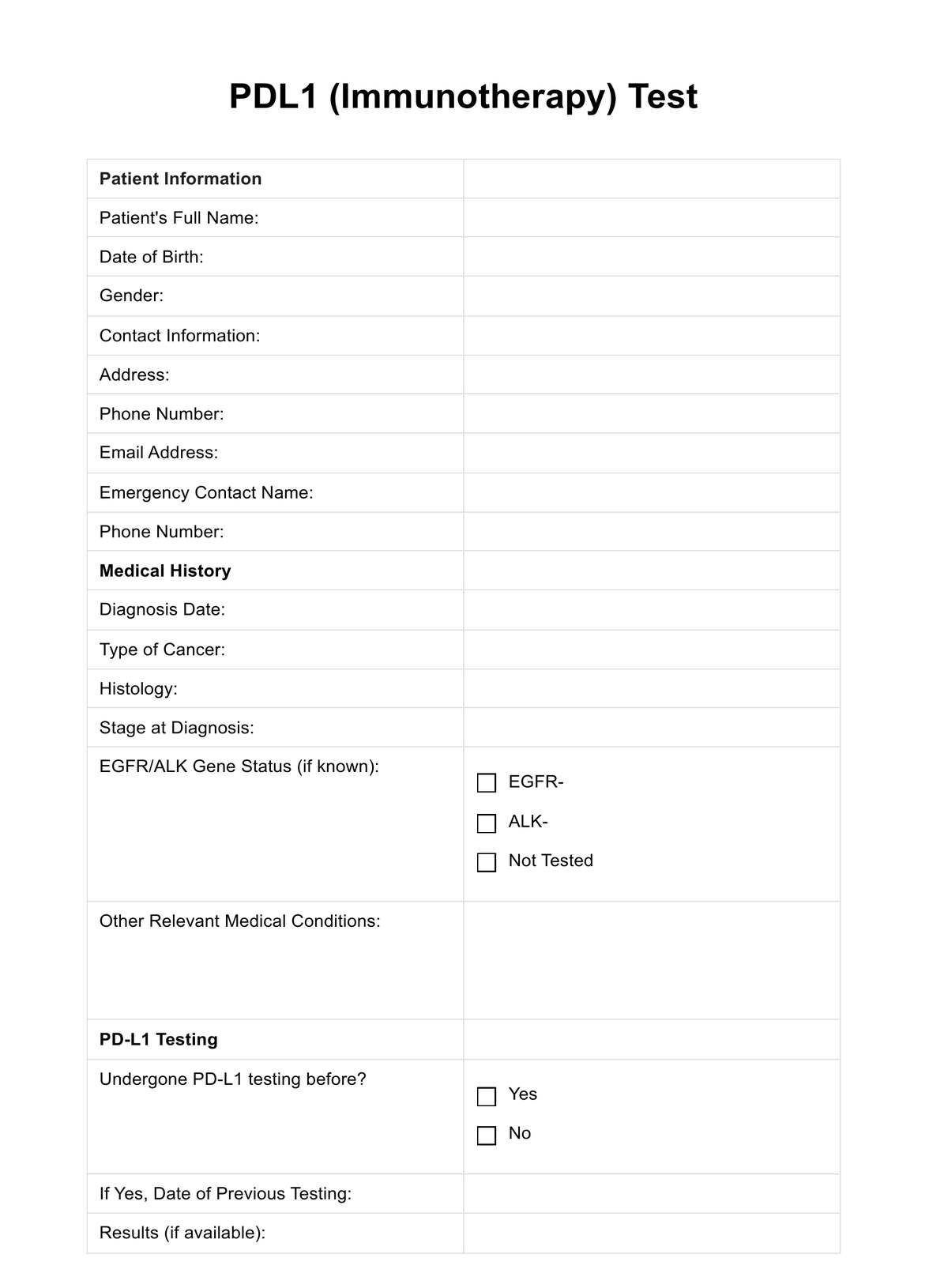




What Is A PDL1 Test?
A PDL1 (Programmed Death-Ligand 1) test is a diagnostic procedure used to assess the presence and quantity of the PDL1 protein on cancer cells within a tumor tissue sample. This test plays a crucial role in determining whether a patient may benefit from a specific type of cancer treatment known as immunotherapy. PDL1 is a protein found in some healthy cells and cancer cells, serving as a "brake" that can inhibit the body's immune system response.
The test involves examining tumor tissue under a microscope using immunohistochemical staining to measure the percentage of tumor cells expressing PDL1. If high levels of PDL1 are detected, the tumor may be susceptible to immune checkpoint inhibitors, a class of immunotherapy drugs. These inhibitors block the PDL1 protein, allowing the immune system to target and fight cancer effectively.
PDL1 tests are critical for several cancer types, including lung, melanoma, and bladder. The results guide treatment decisions, with high PDL1 levels often leading to immunotherapy as the primary treatment option. However, it's essential to consult with a healthcare provider to determine the most appropriate treatment plan, as the role of PDL1 testing may vary depending on individual cases and evolving medical research.









