
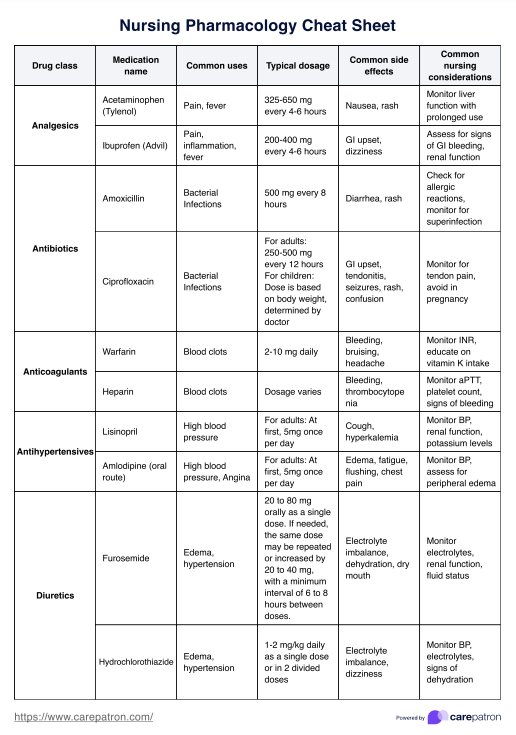




The importance of pharmacology in nursing
Pharmacology is a vital aspect of nursing, forming the foundation for safe medication administration, effective patient care, and informed clinical decision-making. Nurses rely on a strong understanding of nursing pharmacology to navigate the complexities of medications, their effects on the body, and potential interactions. Here's why pharmacology is essential for nursing students, healthcare professionals, and practicing nurses:
- Safe medication administration: Nurses serve as the final checkpoint before medications reach the patient. A thorough knowledge of pharmacokinetics, pharmacodynamics, and drug contraindications enables them to assess the appropriateness of a prescription, identify potential errors, and ensure the correct dosage and administration.
- Patient education: Educating patients on their medications, including generic names, brand names, and potential side effects, is a core nursing responsibility. Nursing pharmacology cheat sheets and quick references help nurses explain how beta blockers, cholinergic drugs, and other medications work, the importance of adherence, and signs to monitor for during treatment.
- Clinical decision-making: Understanding the mechanisms of action, onset, duration, and distribution of drugs is critical for effective clinical interventions. Nurses regularly assess patient symptoms, monitor for adverse reactions, and adjust care plans in alignment with treatment goals. For example, knowledge of insulin management or platelet aggregation inhibitors can significantly impact patient outcomes.
- Comprehensive care planning: Pharmacology knowledge supports nurses in addressing conditions such as hypertension, diabetes, and cardiac output issues. By understanding drug interactions and pharmacological principles, nurses ensure treatments align with patients' needs, providing high-quality, patient-centered care.









