









What is facial paralysis?
Facial paralysis is a condition that causes the loss of facial muscle function. It usually affects one side of the face but can affect both sides in rare cases. The most noticeable symptom is the inability to control facial expressions like smiling or blinking.
Causes of facial paralysis
Facial nerve paralysis can have several causes, including:
- Bell's palsy: This is the most common cause of facial paralysis, characterized by sudden, temporary weakness or paralysis. Its exact cause is unknown but may be related to viral infections.
- Stroke: A stroke can interrupt the blood supply to the part of the brain that controls facial muscles, leading to paralysis.
- Lyme disease: This bacterial infection, transmitted by ticks, can cause neurological problems, including facial paralysis.
- Tumors: Benign or malignant tumors can compress and damage the facial nerves.
- Infections: Certain viral infections like herpes simplex and herpes zoster (shingles) can affect the facial nerves.
- Neurological disorders: Conditions like multiple sclerosis or Guillain-Barré syndrome can also cause facial paralysis.
How to diagnose facial paralysis
To diagnose facial paralysis, doctors evaluate a patient's medical history, perform a physical examination, and use diagnostic tests to understand the extent of nerve involvement and identify the underlying cause.
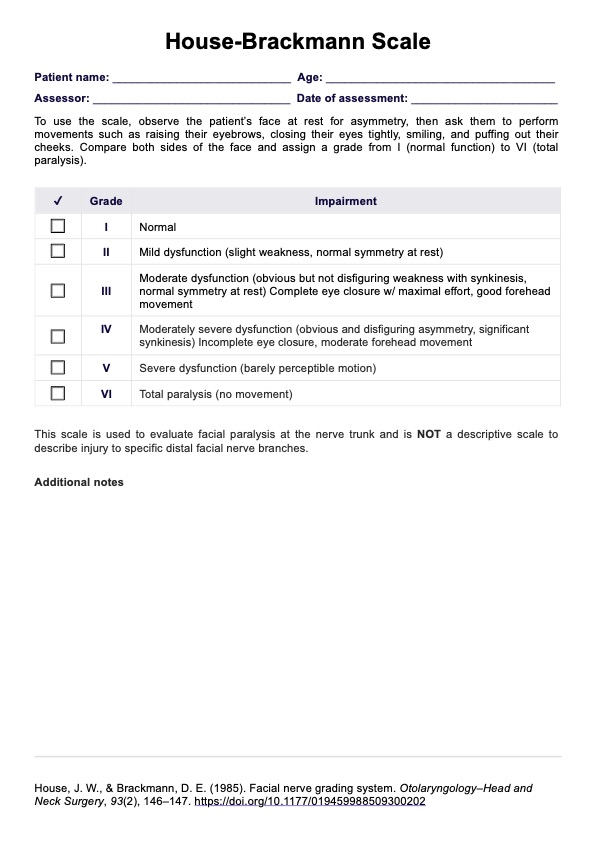
Before diagnosing a patient, a healthcare provider reviews their medical history, asking about current symptoms, accompanying symptoms, and recent illnesses or injuries. During the physical examination, the doctor assesses facial muscle function by having the patient perform simple movements such as closing their eyes, smiling, and raising their eyebrows.
Diagnostic tests can also help determine the cause and severity of facial paralysis, assisting in diagnosis and treatment. Imaging tests such as magnetic resonance imaging (MRI) and computed tomography (CT) scans can reveal structural causes like tumors or brain abnormalities. Electromyography (EMG) measures the electrical activity of muscles to assess nerve damage. Blood tests can identify infections, inflammatory conditions, or other underlying health issues. At the same time, a Lyme titer is a specific blood test used to detect Lyme disease if it is considered a potential cause.
Depending on the findings, further specialized tests might be recommended to explore other potential causes or to plan treatment.









