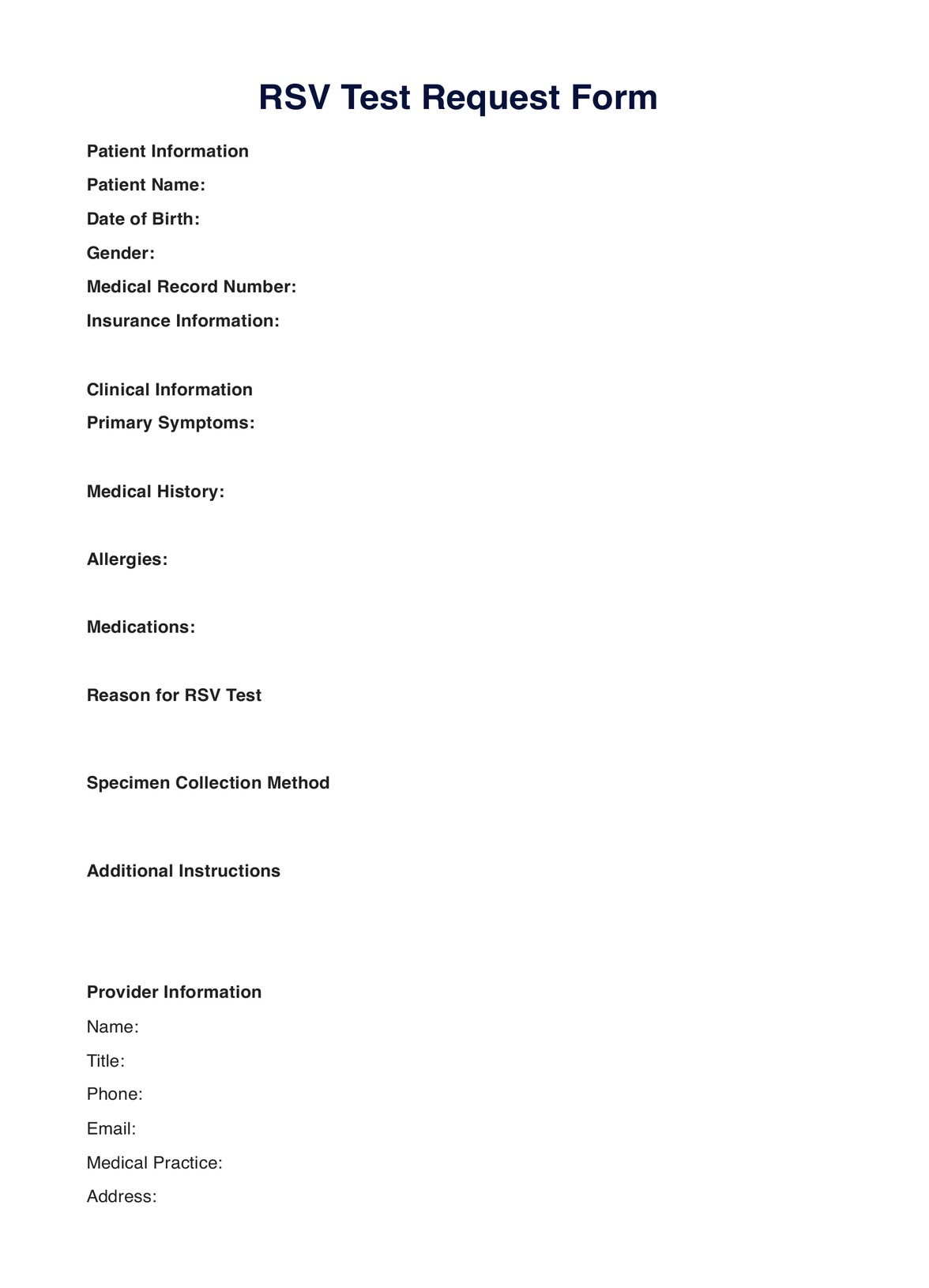




What Is an RSV Test?
An RSV test, short for Respiratory Syncytial Virus test, is a diagnostic tool for detecting RSV, a common respiratory virus that can cause cold-like symptoms in most people but poses severe risks to young children, older people, and those with weakened immune systems.
The RSV test is essential for several reasons:
- Early Diagnosis: It aids in the early identification of RSV infection, allowing for timely treatment and appropriate isolation measures to prevent the virus from spreading to others, especially in healthcare settings and among vulnerable populations.
- Differential Diagnosis: RSV symptoms overlap with those of other respiratory infections like influenza or common cold. Testing helps distinguish RSV from other illnesses, ensuring patients receive the most suitable care.
- Treatment Decisions: While RSV often resolves independently, it can be severe in certain populations. A positive test result may influence the treatment choice, such as antiviral medications or supportive care.
- Preventive Measures: Knowing if a patient has RSV can also guide preventive measures, as healthcare providers can take necessary precautions to prevent transmission, especially in neonatal and pediatric units.
The most common types of RSV tests are:
- Nasal Swab: A swab is inserted into the nasal passages to collect respiratory secretions. This is a relatively simple and non-invasive test, especially suitable for children.
- Throat Swab: Similar to a nasal swab, the sample is taken from the back of the throat. It may be more comfortable for some patients, especially older children and adults.
- Nasopharyngeal Aspirate: This method involves suctioning mucus from the back of the nose and throat. It's often used for young children and infants.
- Blood Test: Occasionally, a blood sample may be tested for RSV antibodies, which can indicate a current or recent infection.
The collected samples are then analyzed in a laboratory, typically using molecular techniques like polymerase chain reaction (PCR) to detect the virus's genetic material.