


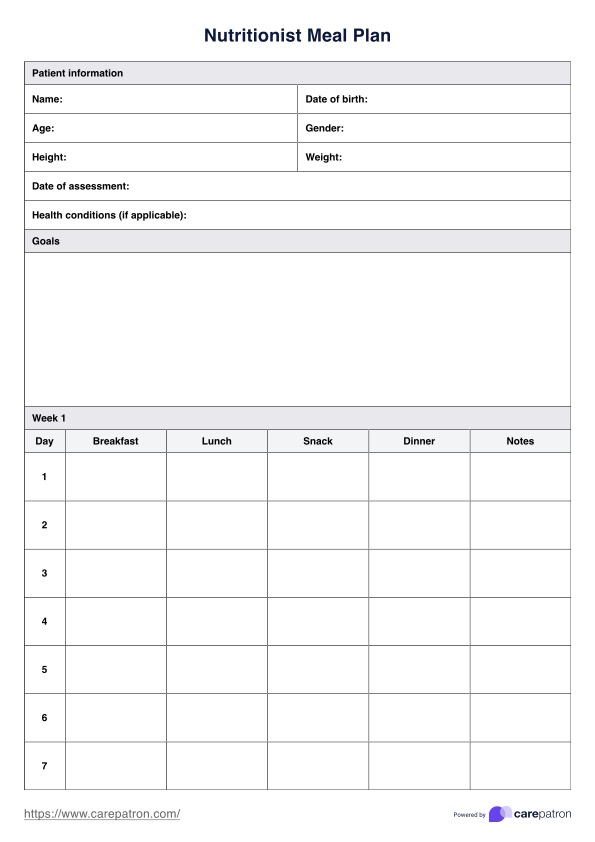




The importance of having nutritional food preferences
Establishing nutritional food preferences is essential for achieving long-term health outcomes. A healthy balanced diet tailored to an individual's needs ensures adequate nutrient intake while reducing the risk of malnutrition and health conditions (World Health Organization, 2020). Selecting foods from all food groups, including colorful vegetables, lean proteins, and healthy fats, supports cardiovascular health, cognitive function, and metabolic balance.
Medical professionals, including a registered dietitian, emphasize that meal choices impact weight management. Understanding how many calories an individual requires daily helps in setting realistic nutrition goals to lose weight or maintain a stable weight. A structured meal prep aligned with a grocery list can reduce food waste and improve adherence to a healthy plate model.
Serving appropriate portion sizes ensures individuals meet their daily calorie goal without overconsumption (National Institute of Diabetes and Digestive and Kidney Diseases, 2021). Additionally, providing professional medical advice on nutrient-dense food options helps optimize dietary habits for disease prevention and longevity. Fostering informed food choices through structured guidance benefits overall health, supports sustainable habits, and ensures patients follow scientifically backed nutritional principles.









