




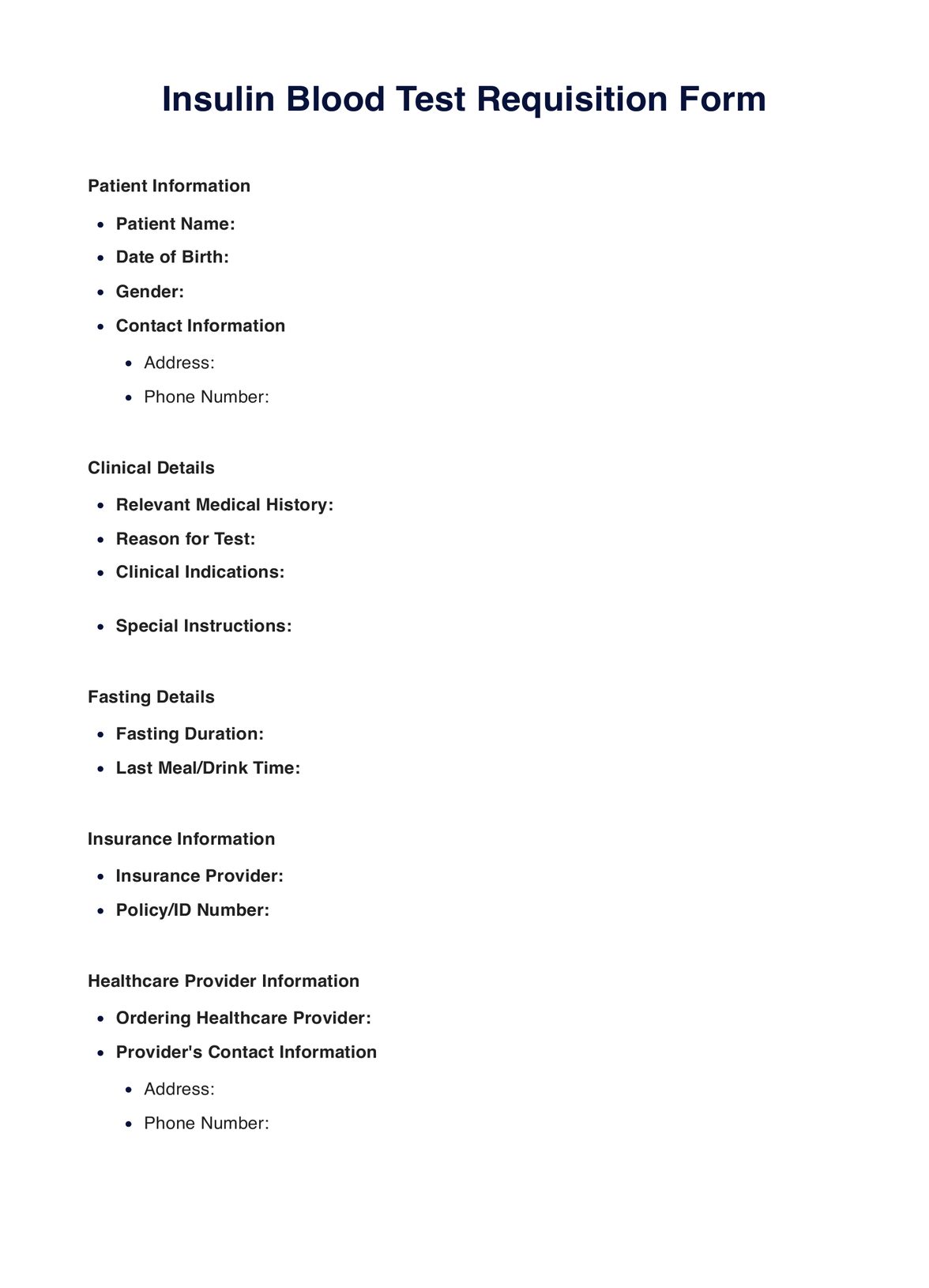




What is an Insulin Blood Test?
An insulin blood test, also known as a serum insulin test, is a medical diagnostic procedure that measures insulin concentration in a person's bloodstream. Insulin is a hormone produced by the pancreas, and its primary function is to regulate glucose (sugar) levels in the blood. This hormone plays a crucial role in maintaining normal blood sugar levels by facilitating glucose uptake into cells, where it can be used for energy or stored for later use.
Healthcare professionals typically order the test to assess the pancreas's functioning and diagnose or monitor various conditions related to blood sugar regulation. It can provide valuable information for individuals with diabetes, hypoglycemia (low blood sugar), or other metabolic disorders.
Additionally, it may be used to evaluate insulin resistance, a condition where the body's cells do not respond effectively to insulin, which is often associated with type 2 diabetes.
The test involves drawing a blood sample, usually from a vein in the arm, which is then sent to a laboratory for analysis. The results indicate the amount of insulin in the blood at a specific moment. Abnormal results, whether high or low insulin levels, can help healthcare providers make informed decisions about treatment plans, medication adjustments, or lifestyle modifications to manage or improve a patient's condition.









