




How do hearing aids work?
Hearing aids are sophisticated devices designed to improve hearing for individuals experiencing hearing loss. Understanding how they work is crucial for anyone undergoing a hearing evaluation and considering using them to address hearing difficulties.
Hearing aids consist of three main parts: a microphone, an amplifier, and a speaker (or receiver). When someone with hearing loss wears an aid, the microphone picks up sounds from the environment. These sounds are then converted into electrical signals and sent to the amplifier.
The amplifier increases the power of these signals, making them stronger. This is particularly important for individuals with varying hearing loss, as it ensures that even faint sounds become audible. Once amplified, the signals are transmitted to the speaker, which converts them back into sound waves and delivers them into the ear canal.
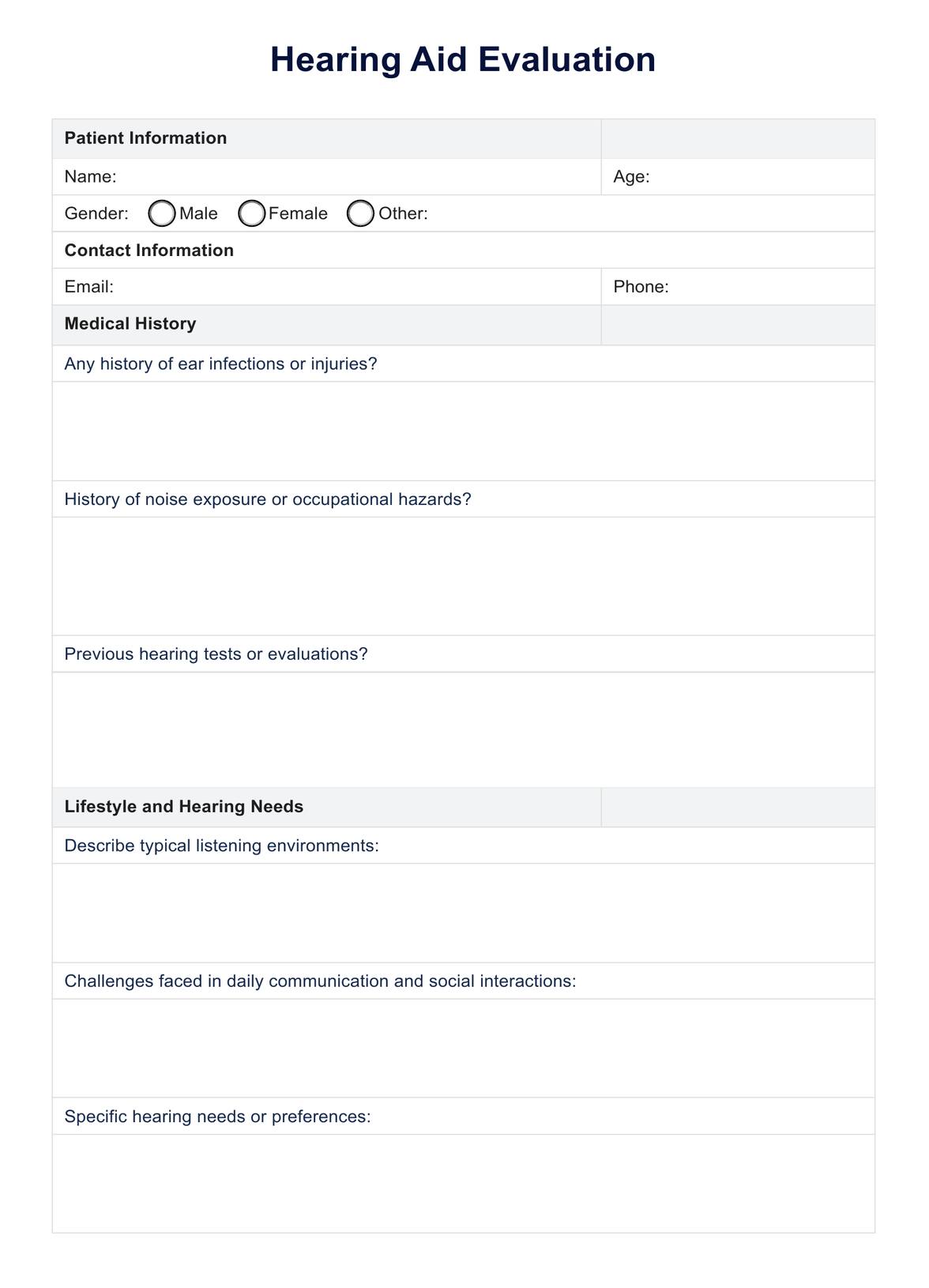
During a successful hearing aid evaluation, a hearing specialist will consider various factors, including the individual's medical history, hearing loss type and severity, and lifestyle preferences. This comprehensive assessment helps determine the most suitable hearing aid styles and settings to meet the individual's needs.









