









What is gestational diabetes?
Gestational diabetes mellitus (GDM) is a condition wherein a person without diabetes develops diabetes or has elevated blood sugar levels during pregnancy. Those who have an increased likelihood of developing this condition during pregnancy are those with a family history of diabetes, have a previous history of gestational diabetes, have prediabetes, and are obese or overweight. Aside from those, patients who are over the age of 35 have polycystic ovary syndrome (PCOS) and have previously delivered a large baby.
This condition is diagnosed during pregnancy through a glucose tolerance test conducted between 24 and 28 weeks. During this period, a patient who has gestational diabetes may also exhibit symptoms like increased thirst and urination, fatigue, frequent infections, blurred vision, and slow healing of cuts and wounds. A gestational diabetes diagnosis must be made during this time to better manage the condition through individualized meal plans and monitoring.
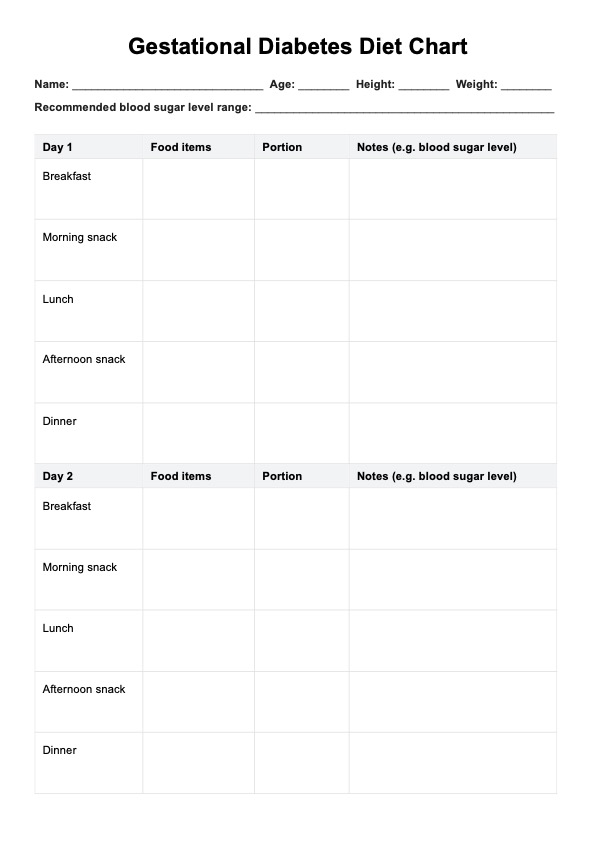
Early detection and management can significantly improve the chances of maintaining a healthy pregnancy. Recommended methods of managing gestational diabetes include eating balanced meals, making some lifestyle modifications, and keeping the patient’s blood sugar levels stable.









