




What is posterior interosseous nerve syndrome?
Posterior interosseous nerve syndrome (PINS), also known as posterior interosseous nerve palsy, is a rare condition affecting the posterior interosseous nerve, a branch of the deep radial nerve within the forearm. This syndrome typically results from uncommon nerve compression syndromes or entrapment of the posterior interosseous nerve as it passes through the radial tunnel, situated deep in the upper extremity near the lateral epicondyle of the humerus.
Clinical presentation often includes symptoms such as weakness and pain, particularly around the lateral elbow and forearm. Patients may experience difficulties with fine motor skills and weakness in extension of the wrist and fingers, distinguishing it from more common conditions like lateral epicondylitis.
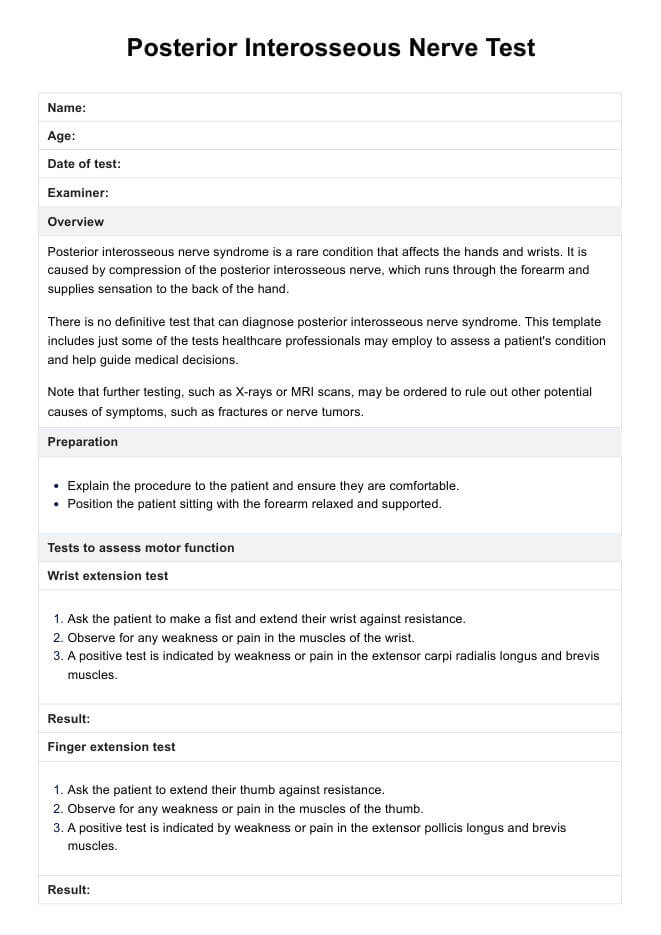
Diagnosis involves a thorough clinical examination, often with tests to assess motor function and sensitivity in the affected area. Differential diagnosis is crucial to distinguish PINS from other nerve entrapment syndromes such as radial tunnel syndrome, which affects the superficial radial nerve and radial tunnel, and conditions causing lateral elbow pain.
Early recognition and appropriate management are essential to prevent long-term complications and optimize outcomes for individuals affected by posterior interosseous nerve entrapment. Treatment may range from conservative measures such as rest and physical therapy to surgical intervention in severe or refractory cases, aiming to alleviate pressure on the nerve and restore function.









