





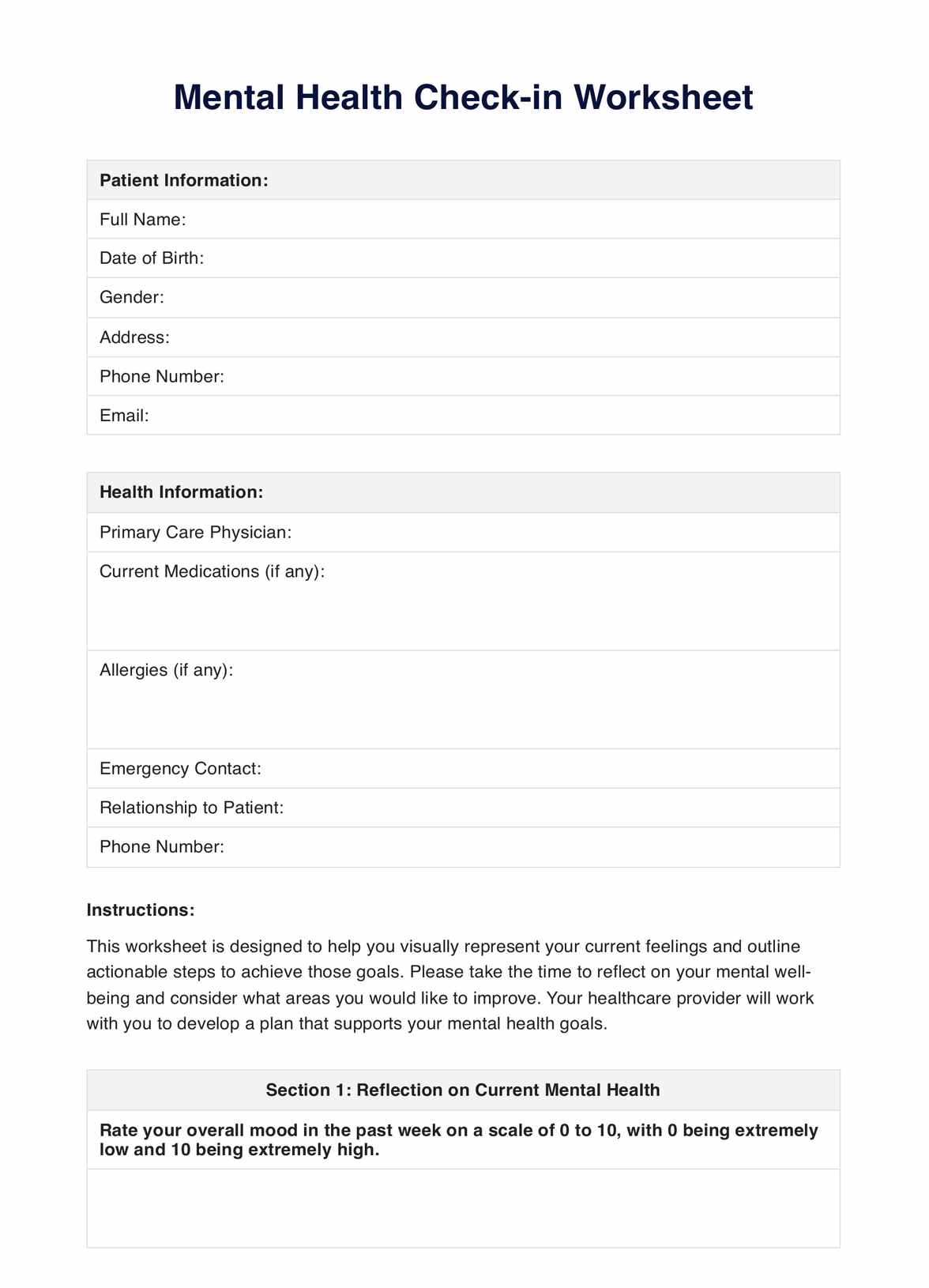




What are mental health check-ins?
Navigating our own mental health can be challenging with the demands of daily life, the constant pull from various responsibilities, and the relentless pace. In this hustle, we sometimes lose sight of caring for our mental health, neglecting the flow of our feelings.
This is where the concept of a mental health check-in becomes invaluable. Imagine having a moment to pause, reflect, and assess your emotions. It's a lifeline to understanding, a bridge to self-discovery, and a gateway to building a healthier relationship with your mental health.
Whether you're a student navigating academic stress or an adult juggling work and family responsibilities, the necessity for a regular mental health check-in is universal. It's a conversation, not just with yourself but with your well-being. Consider it a self-compassionate gesture—a commitment to fostering a positive connection with your self-esteem.
For children, it can be a gentle introduction to acknowledging and understanding different emotions, providing them with tools to navigate the early stages of their emotional development. Teachers might find it invaluable in fostering a supportive environment for their students. At the same time, parents can incorporate it into their family routine, creating a safe space for discussions around emotions.
This practice extends its reach in the corporate office setting, allowing adults to engage in a reflective conversation about their mental health. It's a proactive approach towards maintaining a balanced and fulfilling life. So, whether you're part of a therapy group, a concerned parent, a thoughtful client, or a caring school psychologist, a mental health check-in serves as a compass, guiding us back to the core of our emotional wellness.









