




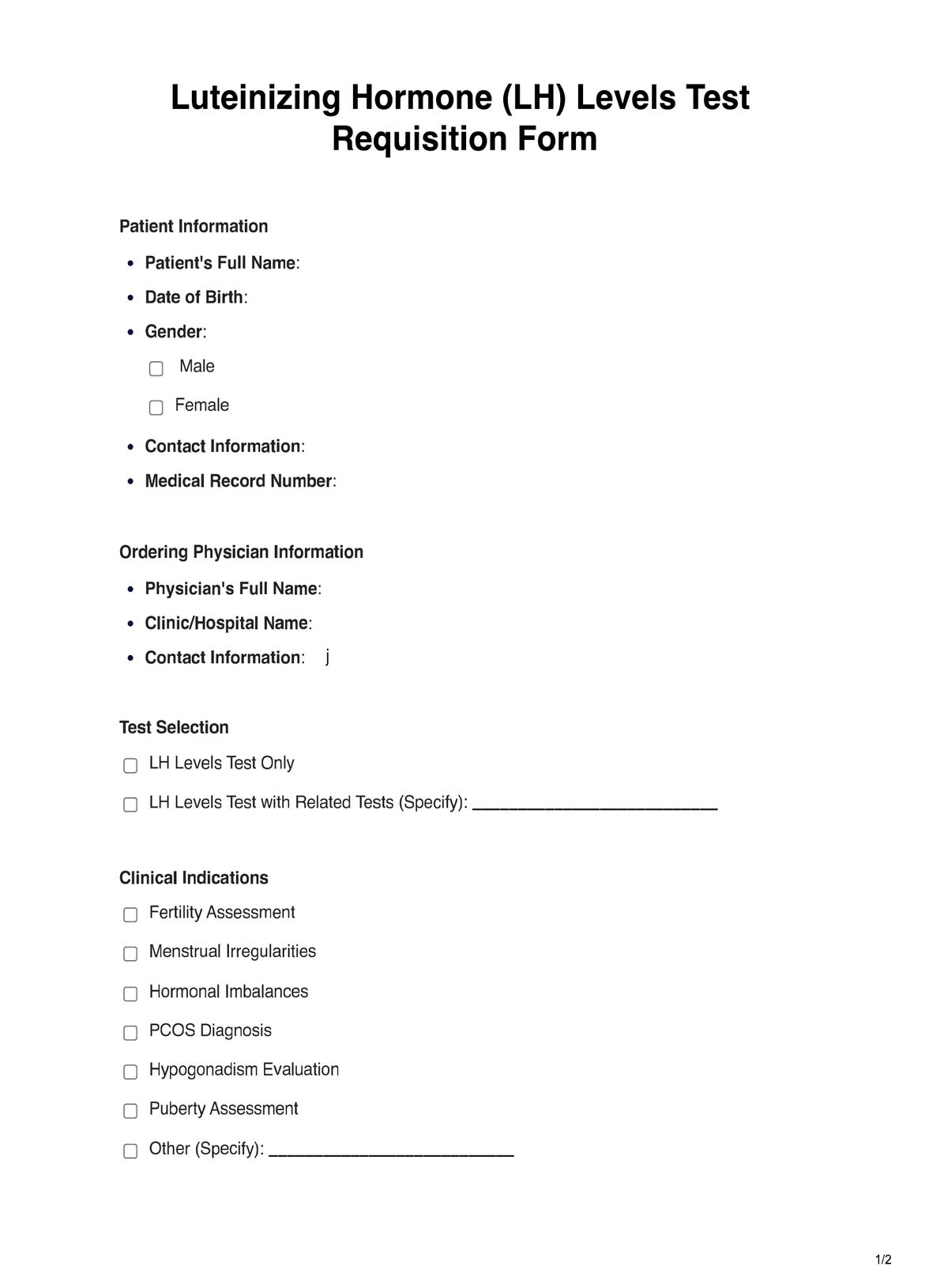




What Is a Luteinizing Hormone Levels Test?
A Luteinizing Hormone (LH) Levels Test is a medical diagnostic procedure used to measure the concentration of luteinizing hormone in a person's bloodstream. LH is a crucial hormone produced by the anterior pituitary gland in the brain, and its levels play a significant role in regulating the reproductive system, particularly in women and men.
In females, LH controls the menstrual cycle and the production of eggs in the ovaries. Its surge triggers ovulation, during which a mature egg is released from the ovary, making it a crucial marker for fertility assessment and predicting the best time for conception. Abnormal LH levels can indicate various conditions, including polycystic ovary syndrome (PCOS), premature ovarian failure, or hormonal imbalances.
In males, LH stimulates the Leydig cells in the testes to produce testosterone, the primary male sex hormone. Monitoring LH levels is vital in assessing and diagnosing conditions such as hypogonadism, which leads to testosterone deficiency and can cause symptoms like low libido, reduced muscle mass, and fatigue.
The LH Levels Test is typically performed by drawing a blood sample from the patient, and it is often conducted alongside other hormone tests, such as follicle-stimulating hormone (FSH) and estradiol, to provide a comprehensive picture of the individual's hormonal status. Results of this test can help healthcare providers diagnose and manage a wide range of reproductive and hormonal disorders in both males and females, guiding treatment decisions and aiding in family planning.









