




What is a Helicobacter Pylori Test?
A Helicobacter Pylori Test is a diagnostic procedure used to detect the presence of Helicobacter pylori (H. pylori) bacteria in the stomach and upper gastrointestinal tract. H. pylori is a spiral-shaped bacterium that colonizes the lining of the stomach and is known to be a major cause of various gastrointestinal conditions, including gastritis (inflammation of the stomach lining), peptic ulcers, and even stomach cancer.
There are several methods for testing for H. pylori, including:
- Breath Test: This is one of the most common methods. A patient consumes a particular substance containing carbon atoms. If H. pylori is present, it will break down the substance, releasing carbon dioxide, which can be detected in the patient's breath.
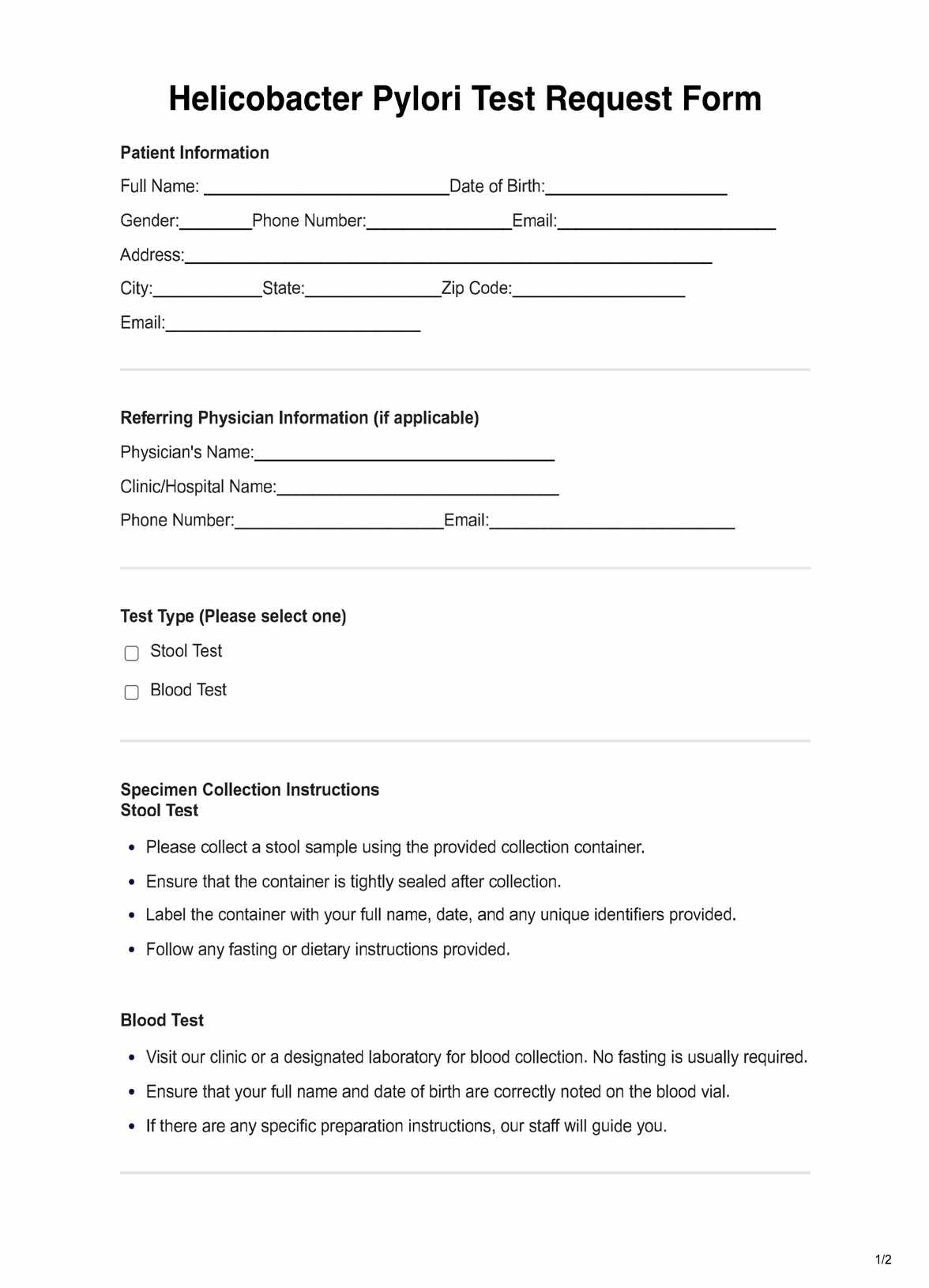
- Stool Test: This test looks for a stool sample's H. pylori antigens (proteins). It is a non-invasive option and is often used for children or in cases where breath or blood tests may not be suitable.
- Blood Test: A blood sample is taken to check for antibodies produced by the immune system in response to H. pylori infection. This method can show if a person has been exposed to H. pylori at some point, but it may not indicate a current infection.
- Endoscopy: During an upper endoscopy, a thin, flexible tube with a camera is inserted through the mouth and into the stomach. Biopsy samples of the stomach lining can be collected during this procedure and examined for H. pylori bacteria.
The choice of test depends on various factors, including the patient's symptoms, medical history, and the physician's preferences.
Detecting H. pylori is crucial for identifying and managing gastrointestinal disorders. Left untreated, it can lead to severe complications like ulcers and stomach cancer. Positive test results may require antibiotics and acid-reducing medications.









