
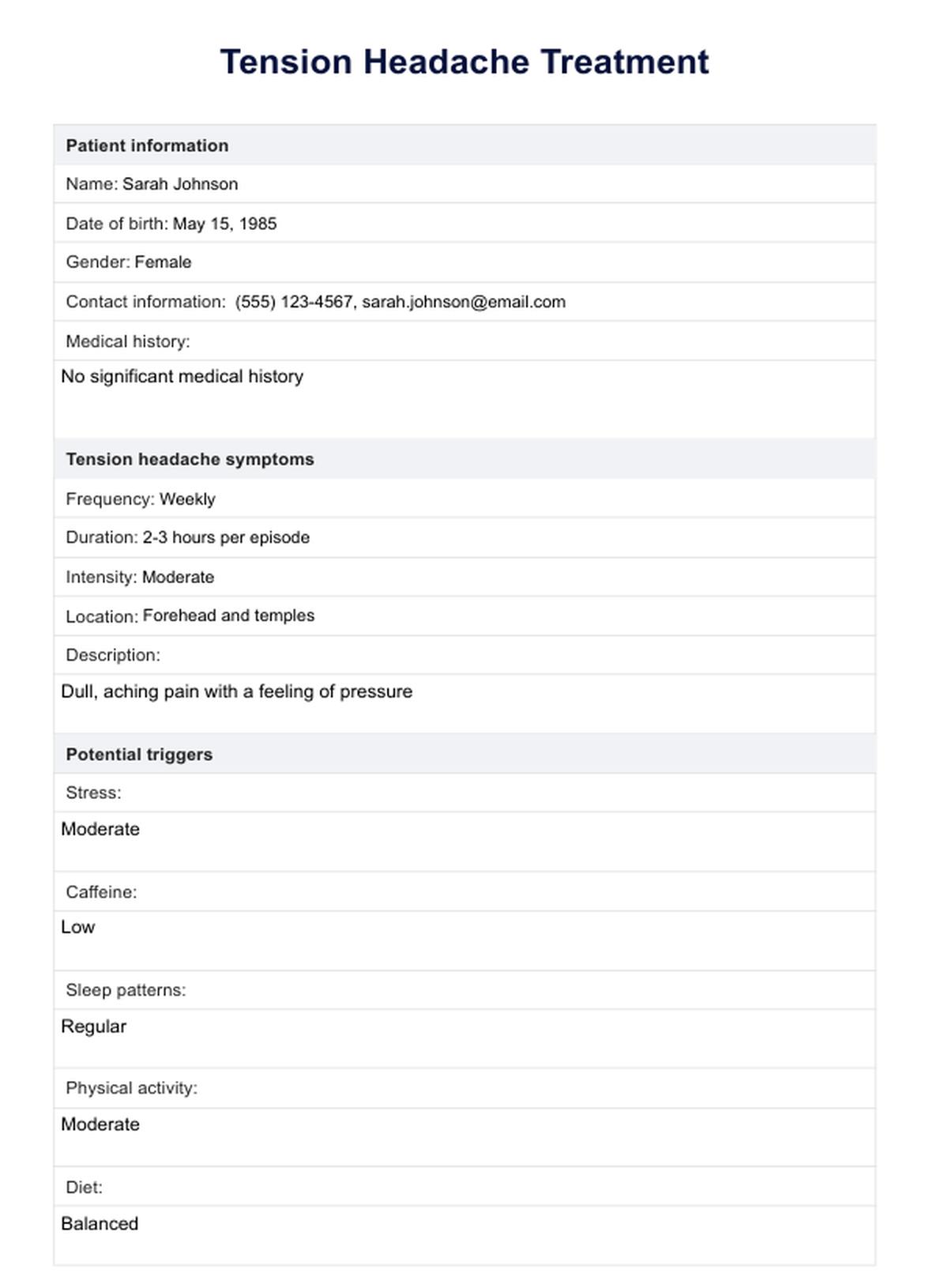




What are tension headaches?
Tension headaches, often called muscle contractions headache disorders, are the most common type of headache, affecting many people at some point in their lives. They are characterized by a dull, aching pain and a sensation of tightness or pressure across the forehead or on the sides and back of the head. Unlike migraines, a tension type headache usually do not cause nausea, vomiting, or sensitivity to light and sound.
There are two main types of tension headaches: episodic and chronic. Episodic tension headaches occur less frequently, while chronic ones are defined as occurring 15 or more days a month for at least three months. Chronic headaches can significantly impact quality of life, making it essential to understand their nature and treatment options.
The exact cause of tension headaches is poorly understood, but they are believed to be linked to muscle tightness in the head and neck regions. Stress, poor posture, and prolonged screen time are common triggers. Headache symptoms can vary in intensity, and while over-the-counter pain relievers can help relieve pain, frequent use can lead to rebound headaches, where the headache returns as the medication wears off. It's vital for individuals experiencing a chronic tension headache to seek medical advice to manage and prevent pain effectively.









