




What is respiratory distress?
Respiratory distress refers to a condition where an individual experiences difficulty breathing, often due to an underlying health issue affecting the respiratory system. It manifests as rapid or labored breathing, shortness of breath, and sometimes chest pain or tightness. This condition is a critical concern as it indicates that the body is not getting enough oxygen, which can lead to serious complications if not promptly addressed.
Various factors can contribute to respiratory distress, including acute respiratory distress syndrome (ARDS), chronic obstructive pulmonary disease (COPD), respiratory failure, chronic lung disease, acute respiratory failure, or acute lung injury. These conditions may impair the lungs' ability to oxygenate the blood adequately or remove carbon dioxide efficiently, resulting in compromised respiratory function.
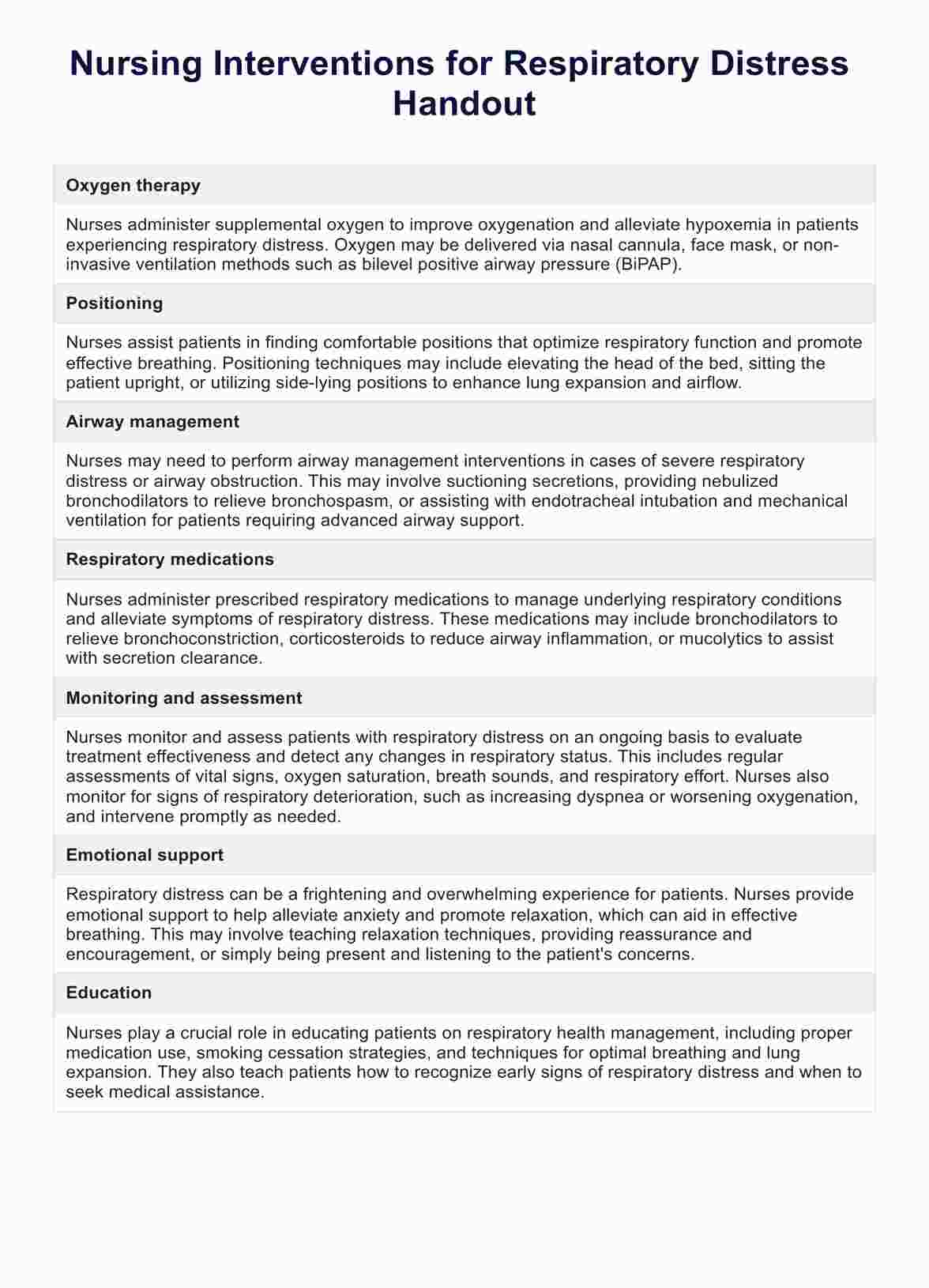
Healthcare practitioners closely monitor patients' respiratory status in clinical settings, assessing parameters such as respiratory rate, oxygen saturation, and lung sounds. Prompt recognition and intervention are crucial in managing respiratory distress effectively. Treatment may involve administering supplemental oxygen, initiating mechanical ventilation, or applying continuous positive airway pressure (CPAP) to support breathing efforts.
Advanced therapies like extracorporeal membrane oxygenation (ECMO) may be necessary to provide temporary respiratory support in severe cases. Understanding respiratory distress and its associated conditions is essential for healthcare professionals to provide timely and appropriate interventions to optimize patient outcomes.
Common symptoms of respiratory distress
Recognizing the signs of respiratory distress is crucial for timely intervention and management. Here are some of the most common symptoms associated with respiratory distress:
- Rapid or shallow breathing
- Shortness of breath or difficulty breathing, even at rest
- Wheezing or noisy breathing
- Flaring of the nostrils during breathing
- Use of accessory muscles in the neck and chest to breathe
- Bluish discoloration of the lips, fingers, or skin (cyanosis)
- Chest pain or tightness
- Anxiety or restlessness due to feeling of suffocation
- Altered mental status or confusion, particularly in severe cases
- Fatigue or exhaustion, even with minimal exertion
These symptoms may vary in severity depending on the underlying cause and individual health status. Prompt recognition of these signs can facilitate timely medical intervention and improve outcomes for individuals experiencing respiratory distress. If you or someone you know exhibits these symptoms, seek medical attention immediately for proper evaluation and treatment.
Causes of respiratory distress
Respiratory distress can arise from various underlying conditions affecting the respiratory system. Understanding the potential causes is essential for accurate diagnosis and appropriate management. Here are some of the most common factors contributing to respiratory distress:
- Acute Respiratory Distress Syndrome (ARDS): A severe lung condition characterized by widespread inflammation and fluid buildup in the lungs, often occurring in response to trauma, infection, or other lung injuries.
- Chronic Obstructive Pulmonary Disease (COPD): A progressive lung disease that obstructs airflow, including conditions such as chronic bronchitis and emphysema, leading to difficulty breathing and respiratory distress.
- Respiratory failure: Occurs when the lungs cannot adequately oxygenate the blood or remove carbon dioxide, resulting in impaired respiratory function and respiratory distress.
- Lung disease: Conditions like asthma, bronchiectasis, and interstitial lung disease can cause chronic respiratory symptoms and may lead to acute episodes of respiratory distress.
- Pneumonia: Infection of the lungs characterized by inflammation and fluid accumulation in the air sacs, which can impair gas exchange and lead to respiratory distress.
- Pulmonary embolism: A blood clot can block the pulmonary artery, obstructing blood flow to the lungs and causing sudden-onset respiratory distress and chest pain.
- Heart failure: When the heart cannot pump blood effectively, fluid can accumulate in the lungs, leading to symptoms of respiratory distress such as shortness of breath and wheezing.
- Anaphylaxis: A severe allergic reaction that can cause swelling of the airways, constriction of the bronchial tubes, and difficulty breathing, leading to respiratory distress.
- Trauma or injury: Chest trauma, rib fractures, or puncture wounds to the lungs can result in respiratory distress due to pain, bleeding, or lung collapse.
- Smoke inhalation: Exposure to smoke or toxic fumes can irritate the airways, leading to inflammation, swelling, and respiratory distress.
These are just a few examples of the diverse conditions that can precipitate respiratory distress. Identifying the underlying cause is essential for initiating appropriate treatment and optimizing patient outcomes.









