




What is meningitis?
Meningitis is a serious medical condition characterized by the inflammation of the membranes (meninges) surrounding the brain and spinal cord. It can affect individuals of any age but is more common in infants, young children, and people with compromised immune systems. Prompt diagnosis and treatment are vital due to the condition's potential severity.
Meningitis manifests several symptoms:
- Sudden high fever and severe headache
- Stiff neck
- Nausea, vomiting, and sensitivity to light
- Confusion or difficulty concentrating
- Seizures
- Sleepiness or difficulty waking up
- Lack of interest in drinking and eating
- Skin rash in some cases
Meningitis can be caused by bacterial, viral, or fungal infections. Bacterial meningitis is the most severe form and can be life-threatening if not treated promptly. Viral meningitis is more common and less severe, often resolving without specific treatment. Fungal meningitis, though rare, occurs mostly in individuals with weakened immune systems. Environmental and genetic factors can also influence susceptibility to meningitis, alongside direct exposure to microbes that cause it.
How to diagnose meningitis
Because it shares many different symptoms with other illnesses, diagnosing meningitis involves many steps. Here are the things that could be done for diagnostic accuracy:
- Lumbar puncture (spinal tap): To collect and analyze cerebrospinal fluid to confirm inflammation.
- Blood tests: To check for bacteria or viruses and inflammatory markers.
- CT scan or MRI: To rule out other conditions, such as brain swelling, abscess, or another infection.
- Bacterial culture: If there is suspected bacterial meningitis, a culture is taken to determine the specific type of bacteria causing it.
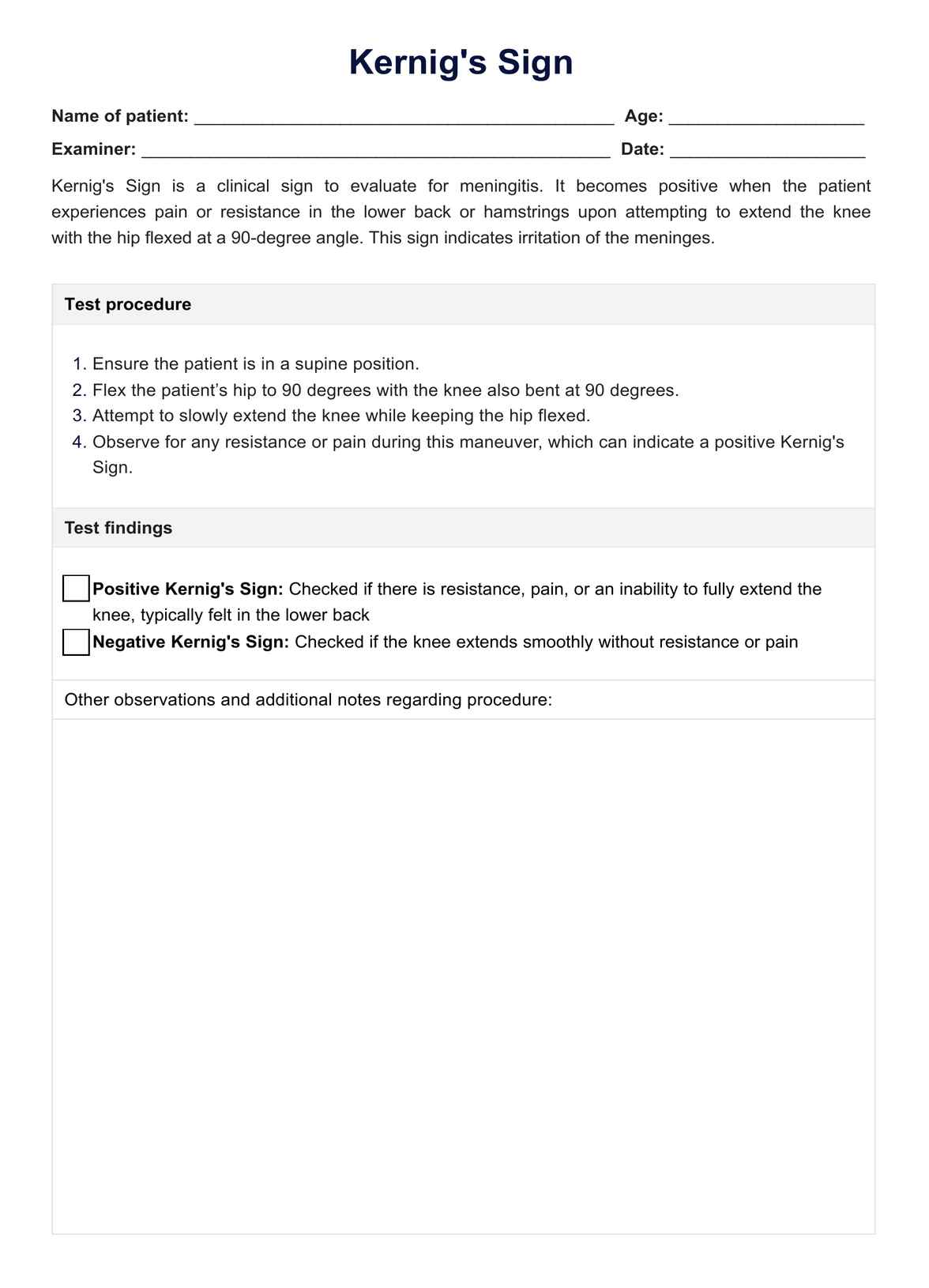
- Physical exam: Doctors look for signs like Kernig’s and Brudzinski's signs during the initial examination.









