
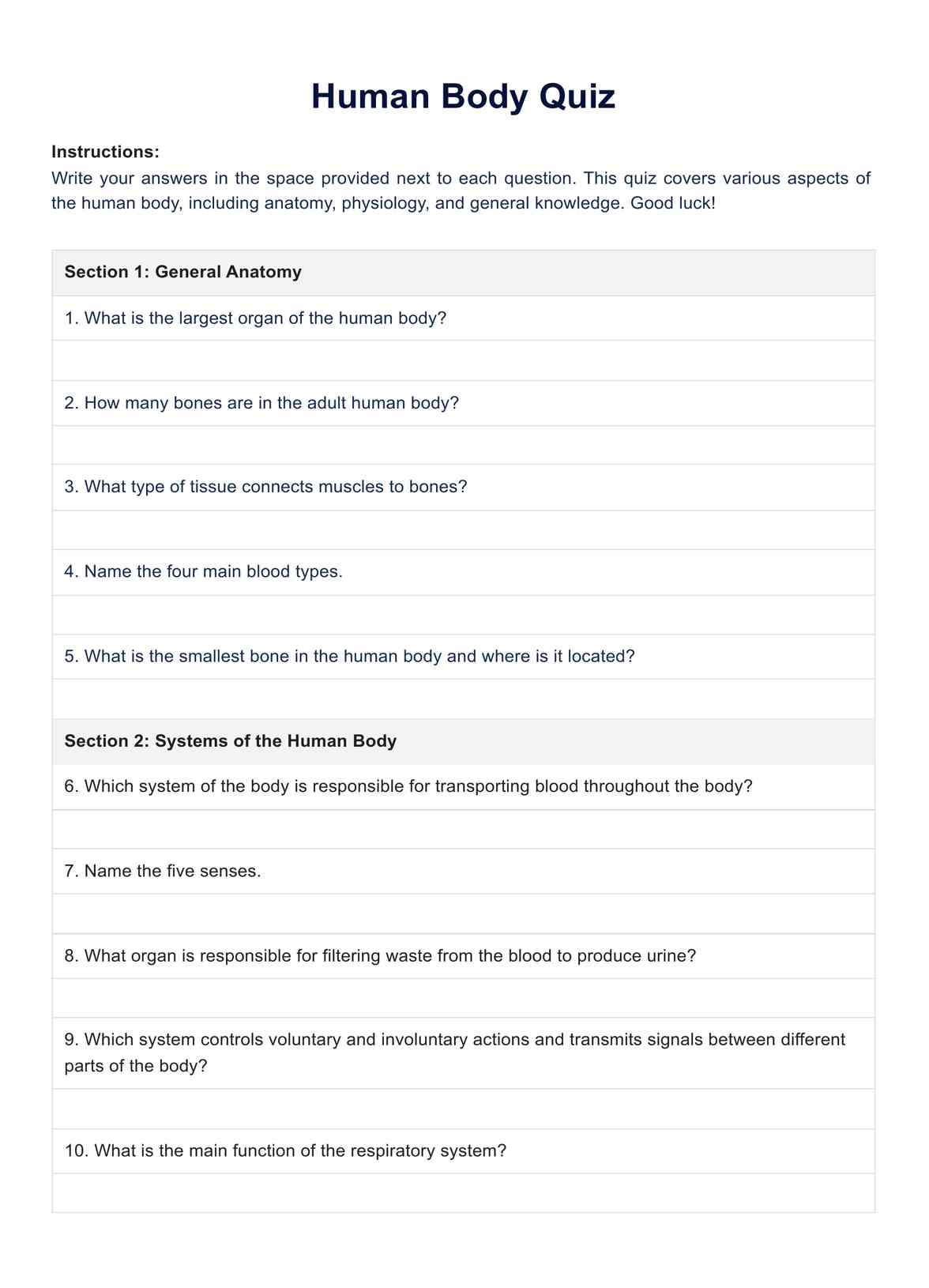




Understanding the human anatomy
Human anatomy is the scientific study of the body's structure, from the macroscopic skeletons and muscle systems to the microscopic cells and tissues that compose our organs and blood vessels. It encompasses everything from the intricacies of the inner ear and the human eye to understanding how many bones form our skeleton.
The digestive system, including the small intestine and large intestine, plays a crucial role in how our body works, processing the nutrients essential for our survival. Anatomy is not just about naming body parts. It's about understanding the complex relationship between these parts and how they function together to support life. This knowledge is foundational for diagnosing and treating illnesses, making it crucial for healthcare professionals.
For healthcare professionals, a thorough understanding of human anatomy is indispensable. It allows them to diagnose illnesses, perform surgeries, and administer treatments accurately. Knowing how blood vessels supply organs, how the human eye perceives light, and how the digestive system processes food enables them to provide better care and make informed decisions. Anatomy knowledge also helps in understanding patient symptoms and communicating medical conditions effectively.









