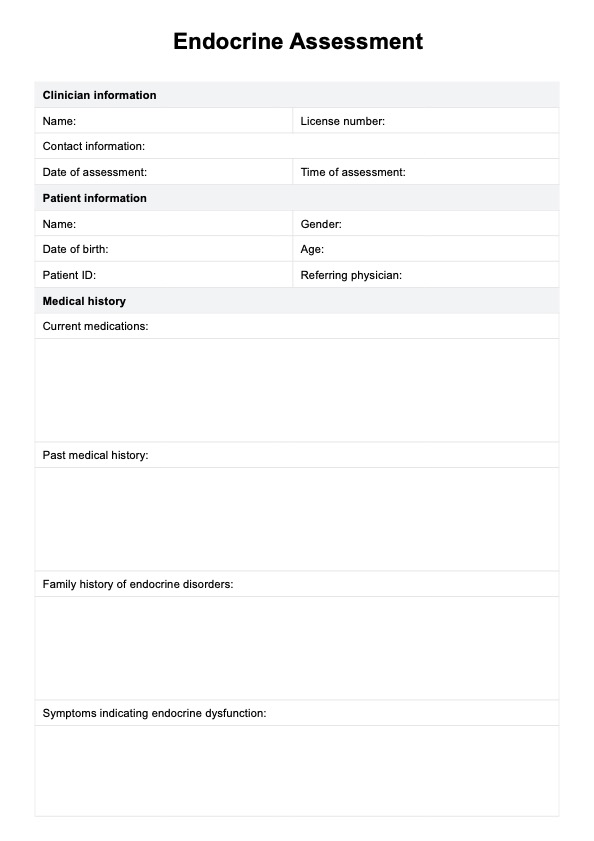
Potential endocrine disorders
Endocrine disorders represent a complex and diverse group of conditions that arise from problems within the body's endocrine system. This system, a network of glands that produce and release hormones, plays a pivotal role in regulating almost every cell, organ, and function in our bodies.
Hormones are chemical messengers that travel through the bloodstream to tissues or organs, working slowly over time to affect many different processes, including growth and development, metabolism, sexual function, reproduction, and mood. When the endocrine glands do not function properly, hormone overproduction or underproduction can result, leading to endocrine disorders.
Thyroid disorders
Thyroid disorders are among the most common endocrine conditions, affecting the thyroid gland in the neck's front part. The thyroid gland produces thyroid hormones, which regulate metabolism, energy production, and the body's sensitivity to other hormones. Conditions such as hypothyroidism (underactive thyroid) and hyperthyroidism (overactive thyroid) can drastically affect a person's metabolism and overall energy levels.
Thyroid gland enlargement, known as goiter, and thyroid nodules can also indicate underlying thyroid disease or dysfunction. Treatment often involves hormone replacement therapy, medication to suppress or enhance thyroid function, or surgery in some cases.
Adrenal disorders
The adrenal glands atop the kidneys produce essential hormones such as cortisol, aldosterone, and adrenaline. Adrenal disorders, including adrenal insufficiency (Addison's disease) and Cushing's syndrome, stem from inadequate or excessive production of these hormones.
Adrenal insufficiency can lead to fatigue, muscle weakness, weight loss, and low blood pressure, whereas Cushing's syndrome, often caused by excessive cortisol production, can result in weight gain, high blood pressure, and changes in skin appearance. Treatment varies from hormone replacement for insufficiency to medications or surgery to address hormone overproduction.
Pituitary disorders
The pituitary gland, a small gland at the base of the brain, is often dubbed the "master gland" due to its role in controlling the functions of many other endocrine glands. Pituitary disorders, such as pituitary adenomas (benign tumors) and growth hormone deficiencies, can have widespread effects on the body. These disorders can impact growth, blood pressure, and other aspects of metabolism. Treatment may include medication, hormone replacement therapy, or surgery to remove tumors.
Diabetes mellitus
Diabetes mellitus is a metabolic disorder characterized by high blood sugar levels over a prolonged period. It results from defects in insulin production (Type 1 diabetes), action (Type 2 diabetes), or both. If not appropriately managed, this condition can lead to serious complications, including cardiovascular disease, renal failure, and vision problems. Management includes lifestyle modifications, insulin therapy, and medications to control blood glucose levels.
Polycystic ovary syndrome (PCOS)
PCOS is a condition that affects women of reproductive age and is characterized by hormonal imbalances, including excess androgen levels and insulin resistance. Women with PCOS may experience irregular menstrual periods, infertility, and polycystic ovaries, along with symptoms like weight gain, acne, and hair thinning. Treatment focuses on managing symptoms and may include lifestyle changes, medication for hormonal balance, and fertility treatments if pregnancy is desired.
Endocrine disorders, due to their hormone-related nature, can have profound effects on an individual's health and quality of life. Early diagnosis and appropriate management are crucial for preventing complications and ensuring effective treatment. This often requires a multidisciplinary approach, including endocrinologists, primary care providers, and specialists in related fields, to address the wide-ranging impacts of these disorders on the body.