
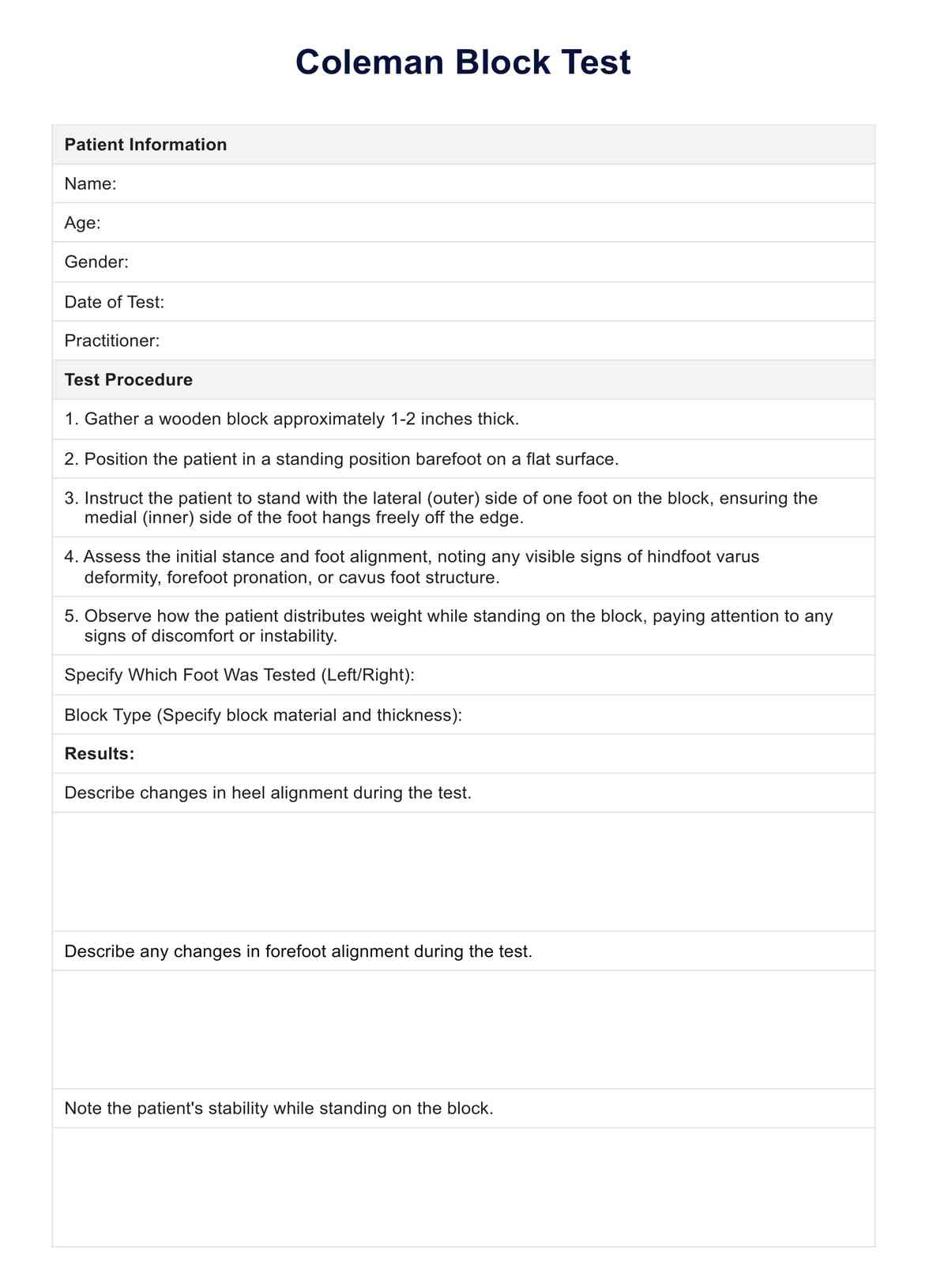




What is a cavovarus foot deformity?
The human foot is a complex and intricate structure composed of numerous bones, joints, and over 100 muscles, tendons, and ligaments. This elaborate network of components works harmoniously to support the body's weight, facilitate movement, and maintain balance. Cavovarus foot deformity is a condition that disrupts this delicate balance and function.
Cavovarus foot deformity is characterized by an unusually high arch (cavus) and an inward tilt of the heel bone (varus), causing the foot to deviate from its normal alignment. This condition can lead to uneven weight distribution across the foot, primarily placing excess pressure on the ball and heel. As a result, individuals may experience pain, particularly on the lateral (outer) side of the foot, and instability in the ankle.
The deformity can cause challenges with walking and standing, impacting gait and overall mobility. Over time, the condition may worsen if not addressed, potentially leading to further complications such as chronic pain or repeated ankle injuries. While the underlying causes of cavovarus foot deformity vary and may include congenital factors, neurological disorders, or traumatic injuries, prompt and appropriate management can help alleviate symptoms and improve the quality of life for those affected.
Characteristics of this foot deformity
Here are some signs when patients have the characteristics of cavovarus foot deformity:
- Heel varus: Inward tilting of the heel, leading to foot instability.
- High plantar arch: Abnormally high arch that is visible from the side.
- Forefoot pronation: Outward tilt of the forefoot.
- Lateral foot pain: Discomfort on the outer side of the foot.
- Gait disturbances: Abnormal walking patterns.
- Lateral ankle instability: Prone to ankle sprains and instability.
Risk factors and causes of this foot deformity
Here's a breakdown of the risk factors and causes of cavovarus foot deformity:
- Congenital defect: Some individuals are born with cavovarus foot deformity due to genetic factors.
- Neurological disorders: Conditions such as cerebral palsy and muscular dystrophy can result in muscular imbalances and foot deformities like cavovarus foot.
- Charcot-Marie-Tooth disease: This genetic disorder affects the peripheral nerves, leading to muscle weakness and deformities such as cavovarus foot.
- Stroke or spinal injury: Damage to the nervous system from a stroke or spinal injury can cause muscle imbalances, leading to cavovarus foot.
- Traumatic injury: Trauma or injury to the foot, ankle, or nerves can also lead to the development of cavovarus foot deformity.









