
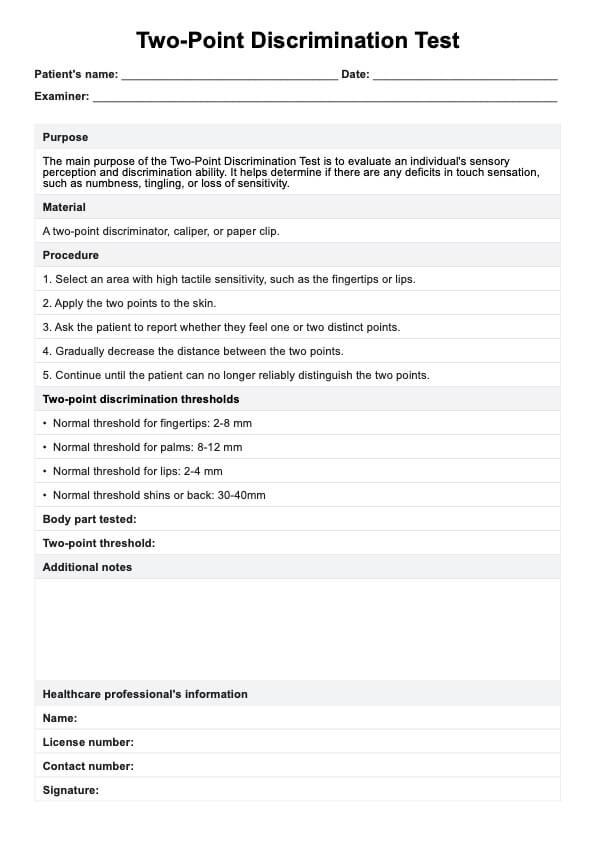




What is tactile perception of the skin?
Tactile perception, also known as touch perception, is the ability to sense and interpret physical sensations through the skin. This capability enables individuals to gather information about their surroundings and interact with objects in our environment.
As the largest organ of the human body, the skin plays a crucial role in tactile perception. It is equipped with specialized nerve endings called mechanoreceptors, which are sensitive to various touch stimuli such as pressure, vibration, temperature, and pain.
These mechanoreceptors transmit signals to the brain, which processes and interprets them to create sensations. For instance, when a person touches something hot or cold, specific receptors in the skin send signals to the brain, allowing them to perceive the temperature and react accordingly.
What can negatively impact a person’s tactile perception?
Several factors can impair tactile perception:
- Age: The sensitivity of mechanoreceptors decreases with age, making older individuals less sensitive to touch.
- Injury or disease: Any damage to the skin or nervous system can affect tactile perception. For example, nerve damage from a spinal cord injury can result in loss of sensation in certain parts of the body.
- Medications: Some medications, such as those used for pain management or neurological conditions, can interfere with tactile perception and cause numbness or tingling sensations.
- Environmental factors: Extreme temperatures, exposure to chemicals or toxins, and certain occupations that involve repetitive use of hands can also impact tactile perception.









