
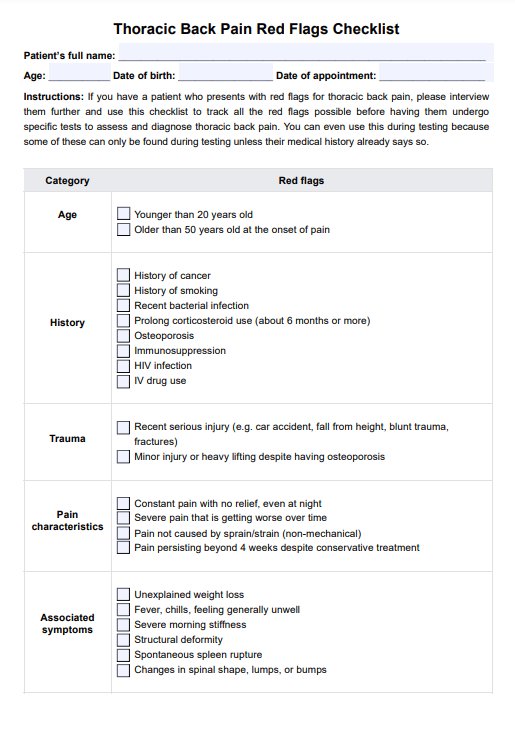




What is thoracic back pain?
The spine, a long and flexible column of bones, safeguards the spinal cord. Originating from the base of the skull, it extends to the tailbone within the pelvis. It comprises three segments: the cervical spine (neck), the thoracic spine (upper and middle back), and the lumbar spine (lower back).
Due to its greater rigidity and stability, the thoracic spinal area injuries occur less frequently than the lumbar and cervical spine. The back comprises interconnected bones, nerves, muscles, ligaments, and tendons that shield the spinal cord. Pain in the upper and middle back (thoracic region) can stem from various conditions affecting these tissues.
Causes of thoracic back pain
Experiencing pain in the thoracic region (the upper and middle back) may arise from various conditions impacting these tissues, including:
- Muscle irritation or tension: Tightened muscles and discomfort in the thoracic region often result from poor posture and prolonged sitting.
- Ligament sprains: Overstretching or tearing of ligaments due to sudden twisting motions in the thoracic spine can lead to pain.
- Trauma: Falls or direct blows to the thoracic area can induce pain. Although the thoracic spine is rigid, more force is required to fracture it than the cervical and lumbar spine. Additionally, injuries to the rib cage affecting thoracic nerves can cause thoracic pain.
- Overuse injuries: Repetitive motions such as lifting, bending, and twisting can cause micro-injuries, contributing to spinal pain in the thoracic region.
Potential problems this back pain may lead to
Potential consequences of this back pain may include:
- Chronic pain: If left untreated, thoracic back pain can persist and develop into a chronic condition, significantly diminishing quality of life.
- Nerve compression: Conditions such as herniated discs, spinal stenosis, or tumors in the thoracic region can exert pressure on spinal nerves, leading to radiating pain, numbness, tingling, or weakness in the chest, arms, or legs. In severe cases, paralysis may occur.
- Spinal deformities: Conditions like osteoporosis, spinal infections, or tumors can weaken thoracic vertebrae, potentially causing compression fractures, kyphosis (abnormal forward curvature), or scoliosis (abnormal sideways curvature).
- Reduced mobility and function: Persistent thoracic back pain and stiffness can limit the range of motion in the upper back and rib cage, affecting breathing, posture, and the ability to perform daily tasks.
- Psychological distress: Chronic pain is closely associated with an increased risk of depression, anxiety, sleep disturbances, and overall reduced well-being.
- Referred pain: Thoracic spine issues may sometimes cause pain in other areas, such as the chest, abdomen, or flanks, mimicking cardiac, gastrointestinal, or renal conditions, which can complicate diagnosis.









