




What are upper extremity musculoskeletal disorders?
Upper extremity musculoskeletal disorders (UEMSDs) encompass a range of conditions affecting the upper body's muscles, tendons, ligaments, nerves, and joints, including the neck, shoulders, arms, wrists, and hands. These disorders often arise from repetitive motions, awkward postures, forceful exertions, and prolonged static positions commonly found in various occupational settings.
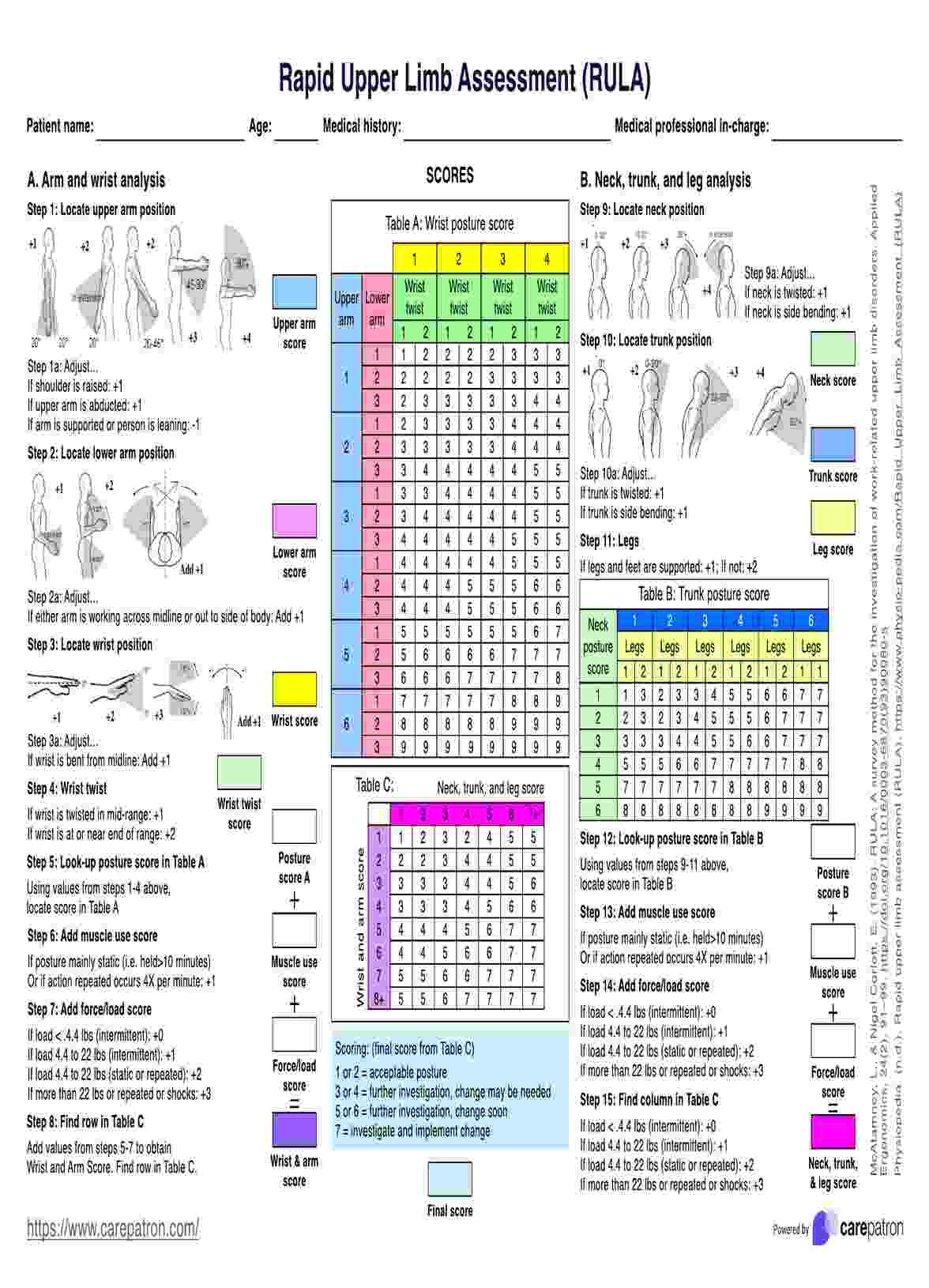
An ergonomic assessment, employing methods such as surveying work conditions and analyzing body positioning, can help identify risk factors contributing to UEMSDs. Key indicators include neck position score, trunk position score, lower arm position, shoulder flexion, and elbow flexion. By evaluating these factors, workplaces can pinpoint areas for improvement in workstation setup, equipment design, and task rotation to mitigate strain on the upper extremities.
However, while these assessments provide valuable insights, they may necessitate further investigation into specific job tasks or environmental factors contributing to UEMSDs. This deeper analysis can inform targeted interventions and ergonomic modifications to reduce the prevalence of these disorders and promote overall musculoskeletal health in the workforce.
Common examples
UEMSDs manifest in various forms, affecting individuals across different occupations and activities. Here are some common examples:
- Carpal tunnel syndrome: Characterized by numbness, tingling, and weakness in the hand and wrist due to compression of the median nerve.
- Tennis elbow (lateral epicondylitis): Resulting from repetitive gripping and wrist extension, leading to pain and inflammation on the outer side of the elbow.
- Rotator cuff tendinitis/tendonitis: Inflammation of the tendons and muscles surrounding the shoulder joint, often caused by repetitive overhead activities.
- De Quervain's tenosynovitis: Inflammation of the tendons on the thumb side of the wrist, causing pain and swelling with thumb and wrist movements.
- Trigger finger (stenosing tenosynovitis): A condition where the finger gets stuck in a bent position, accompanied by pain and clicking sensation during movement.
- Golfer's elbow (medial epicondylitis): Similar to tennis elbow but affecting the inner side of the elbow due to repetitive wrist flexion and gripping.
- Shoulder impingement syndrome: Occurs when the rotator cuff tendons rub against the shoulder blade, causing pain and limited range of motion.
- Thoracic outlet syndrome: Compression of nerves or blood vessels between the collarbone and first rib, leading to pain, numbness, and weakness in the arm and hand.
These examples highlight the diverse range of UEMSDs and underscore the importance of proactive measures to prevent their occurrence in various occupational and daily activities.
Common symptoms
UEMSDs can present with a variety of symptoms, often impacting daily activities and work performance. Recognizing these symptoms is crucial for early intervention and management. Here are some common symptoms associated with UEMSDs:
- Pain: Persistent or intermittent pain in the affected area, such as the wrist, elbow, shoulder, or hand.
- Numbness and tingling: Sensations of numbness, tingling, or pins-and-needles in the fingers, hand, or arm.
- Weakness: Reduced strength or grip strength in the affected limb, making it challenging to perform tasks requiring manual dexterity.
- Stiffness: Difficulty moving the affected joint or limb, often accompanied by a sensation of tightness or stiffness.
- Swelling: Visible or palpable swelling in the affected area, indicating inflammation or fluid accumulation.
- Limited range of motion: Difficulty moving the joint through its full range of motion, leading to restricted movement and discomfort.
- Fatigue: Increased fatigue or tiredness in the muscles of the upper extremities, especially after prolonged use or repetitive tasks.
- Loss of function: Impaired function in the affected limb, hindering daily activities, work tasks, or recreational pursuits.
Recognizing these symptoms early on can aid in prompt diagnosis and intervention, ultimately improving outcomes and preventing further progression of UEMSDs.
Risk factors and causes
Several factors contribute to the development of UEMSDs, ranging from occupational hazards to individual characteristics. Repetitive motions, prolonged awkward postures, and excessive force are primary risk factors of UEMSDs. Occupations requiring repetitive tasks, such as typing, assembly line work, and manual labor, pose a higher risk.
Additionally, poor ergonomic workstation design, inadequate rest breaks, and lack of ergonomic awareness exacerbate the risk. Individual factors such as age, pre-existing medical conditions, and lifestyle habits also play a role in UEMSD development.
Understanding and addressing these risk factors through ergonomic interventions and workplace modifications are essential for preventing UEMSDs and promoting musculoskeletal health.









