




What are occult fractures?
An occult fracture refers to a break in bones that is not visible on standard X-rays, often making it challenging to diagnose. Occult fractures can occur in various parts of the body but are most commonly found in the hip, spine, and extremities where minor cracks or stress fractures might not immediately show on traditional imaging.
Occult fractures frequently occur in areas subjected to repetitive stress or significant trauma that does not result in immediate, obvious deformity. Common sites include the following:
- Hip: Particularly in older adults where bone density may be reduced, resulting in conditions like femoral neck stress fractures.
- Wrist: Often seen in falls where the person uses hands to break the fall.
- Feet and ankles: Common in athletes or during high-impact activities.
Occult fractures often stem from high-impact trauma or overuse and repetitive stress. High-impact hip trauma, such as accidents or falls, applies intense force to the bones, which sometimes absorbing the impact internally without immediate external signs. Repetitive stress, common in athletes or active individuals, leads to stress fractures that gradually develop and may initially be asymptomatic.
Additionally, degenerative bone diseases like osteoporosis weaken bones, making them prone to fractures under normal stress levels, further complicating the diagnosis and management of these injuries.
How to diagnose occult hip fractures
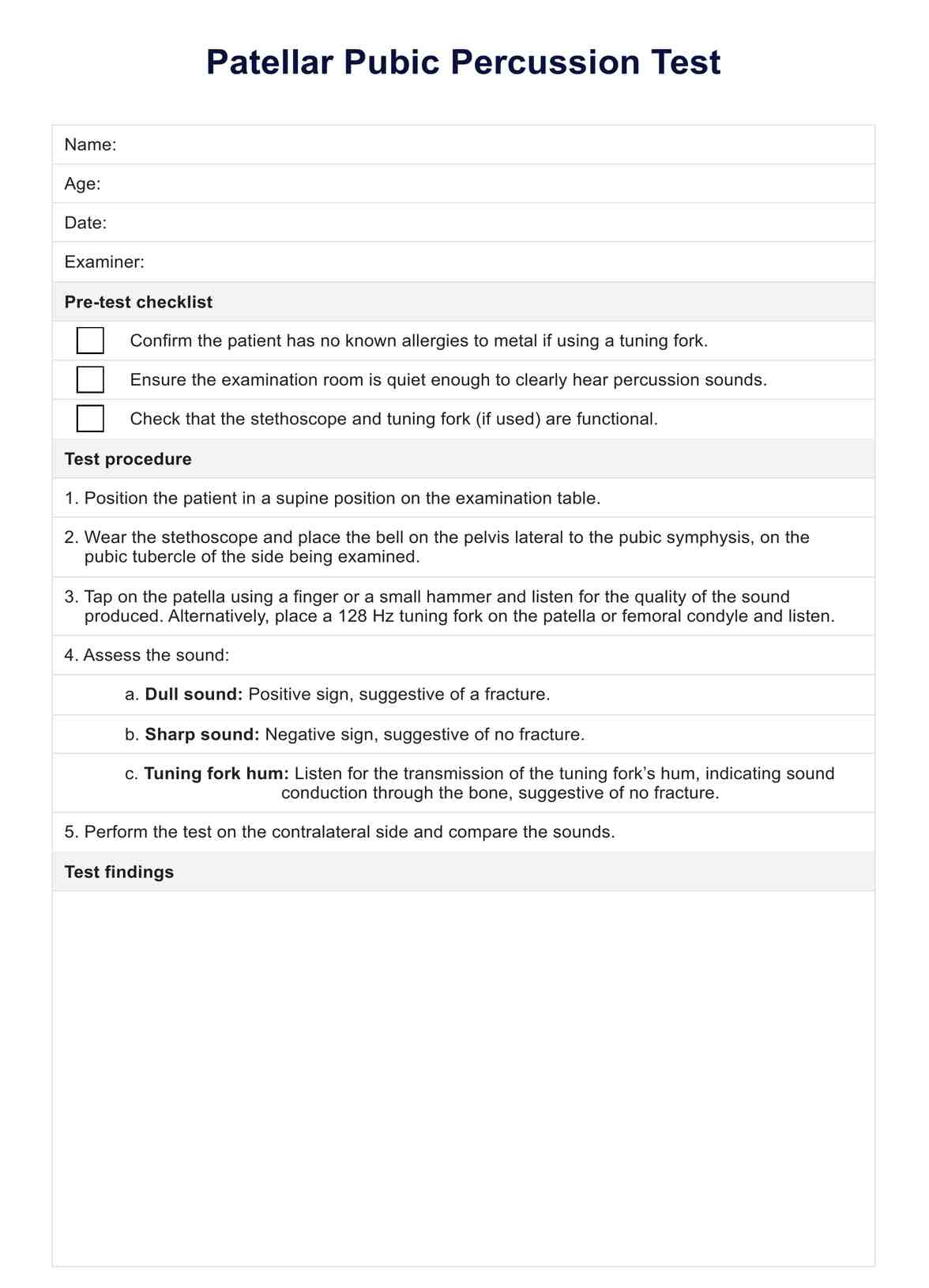
Diagnosing occult fractures typically begins with a thorough clinical examination, including a detailed patient history and a physical exam focusing on pain points and mobility. When there are suspected occult hip fractures that are not confirmed by X-rays, advanced imaging techniques such as MRI or CT scans are employed to detect hidden breaks.









