






What is an ankle fracture?
An ankle fracture involves a break in one or more bones that constitute the ankle joint: the tibia, fibula, or talus. These common injuries can occur from twisting or rolling the ankle, a fall, or a direct impact on the joint.
Types of ankle fractures
Ankle fractures are categorized based on their location and the specific bones involved, which significantly influences treatment options and recovery outcomes. Here's a detailed look at the common types of ankle fractures:
- Lateral malleolus fracture: This type of fracture occurs in the fibula, one of the bones that support the lateral side of the ankle joint.
- Medial malleolus fracture: This fracture affects the tibia, specifically at the medial malleolus, which forms the inner part of the ankle.
- Bimalleolar fractures: These involve simultaneous fractures of the tibia and fibula at their malleoli, which severely affect ankle stability.
- Trimalleolar fractures: These are complex fractures in which all three key points of the ankle—the lateral malleolus, medial malleolus, and the posterior aspect of the tibia—are broken.
Causes of ankle fractures
Ankle fractures can occur due to a variety of incidents, each affecting the ankle in different ways:
- Twisting or rotating the ankle: Common during sports or awkward foot placements, where the foot turns inward or outward excessively.
- Tripping or falling: Sudden falls can force the ankle into unnatural positions, causing fractures.
- Impact during an accident: Direct blows to the ankle, such as vehicle collisions or heavy objects falling on the foot, often result in fractures.
Ways to classify ankle fractures
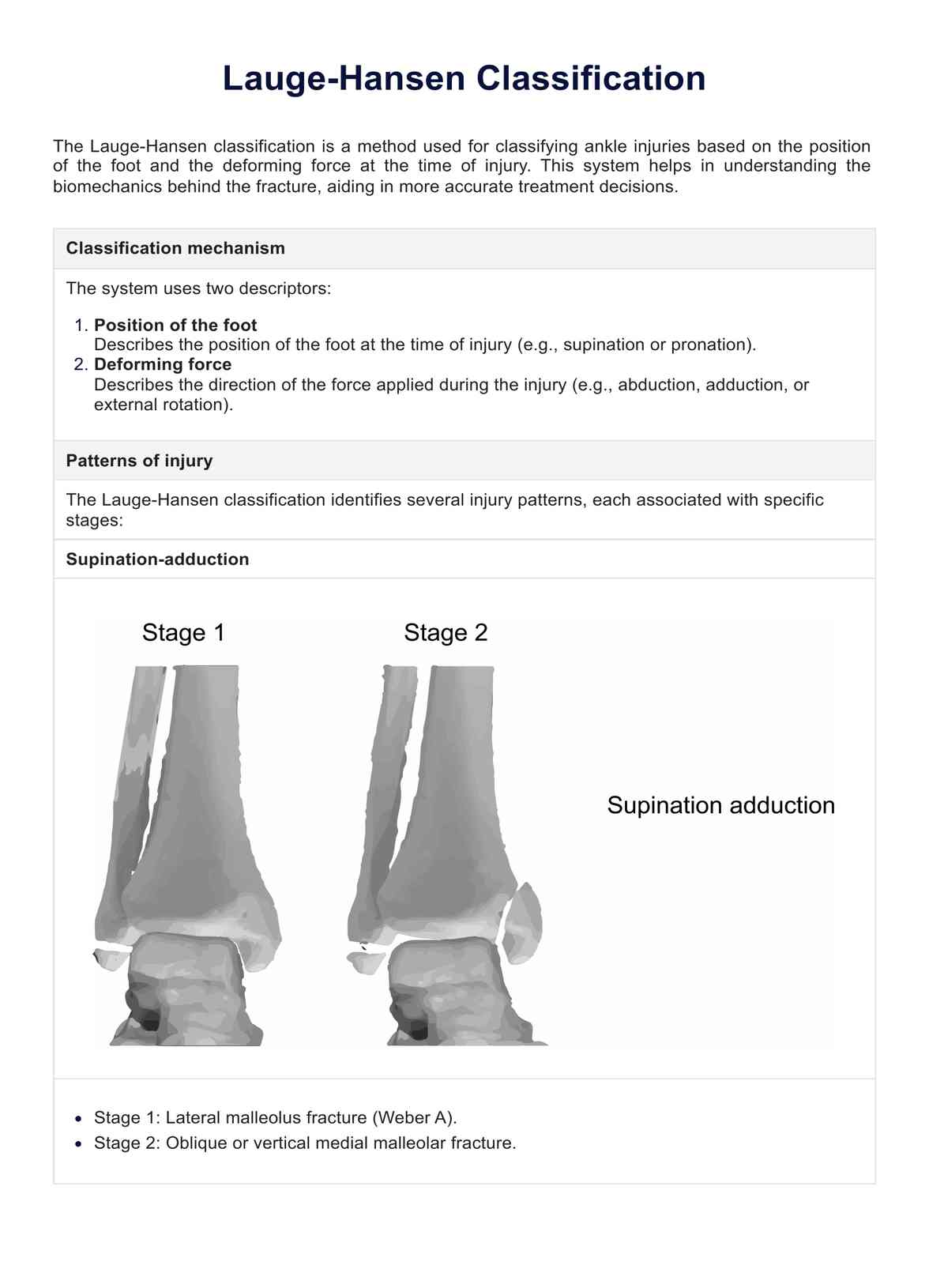
Ankle fractures can be classified based on the mechanism of injury (such as twisting versus direct impact), the location of the fracture, and whether the ankle is stable or unstable. Common classification systems include the Lauge-Hansen and Weber classifications.









