


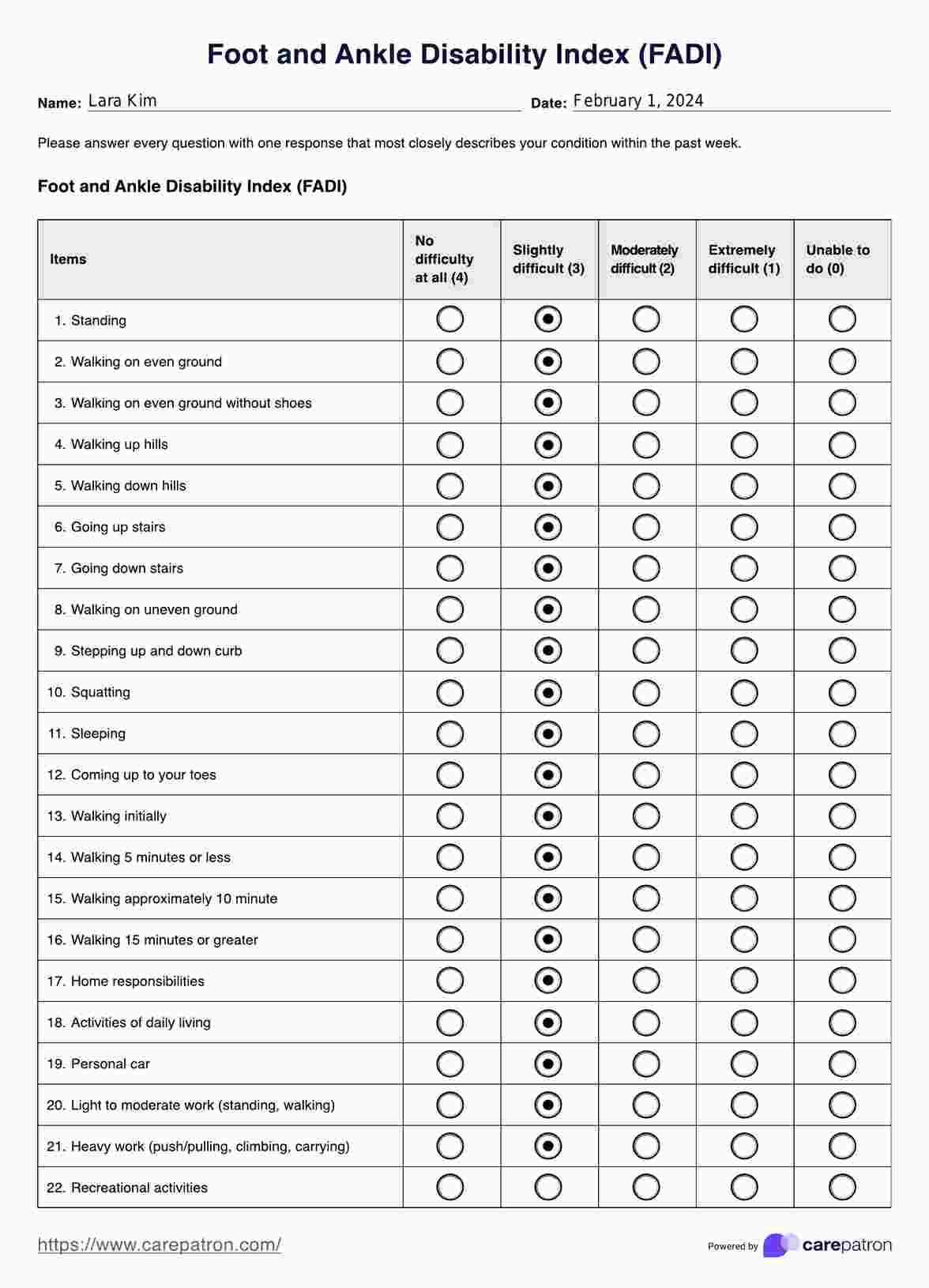




What are ankle and foot disabilities?
Ankle and foot disabilities refer to any condition or injury that affects the feet and/or ankles, leading to pain, discomfort, limited mobility, or difficulty in performing daily activities. These disabilities can range from mild to severe, and they can be caused by a variety of factors such as genetics, injuries, medical conditions, or lifestyle choices.
Some common examples of ankle and foot disabilities include:
- Achilles tendinopathy: Degenerative changes in the Achilles tendon, causing inflammation and pain.
- Achilles tendon rupture: A complete tear of the Achilles tendon, resulting in pain, loss of movement, and strength.
- Ankle arthritis: Breakdown of cartilage in the ankle joint due to trauma, autoimmune diseases, or infection, causing pain and stiffness.
- Ankle instability: Damage to the ankle joint's cartilage, leading to pain and loss of ankle function if left untreated.
- Arthritis of the big toe joint: Inflammation and stiffness in the joint connecting the big toe to the foot.
- Bunion: Misalignment of the first metatarsal bone, causing a noticeable bump on the side of the big toe.
- Cavovarus foot deformity: Higher-than-usual arches and inward turning of the heels, often associated with neurological disorders.
Assessing foot and ankle disabilities is crucial for proper diagnosis, treatment, and management of these conditions. It allows healthcare professionals to understand the severity of the disability, track changes over time, and determine appropriate interventions.









